
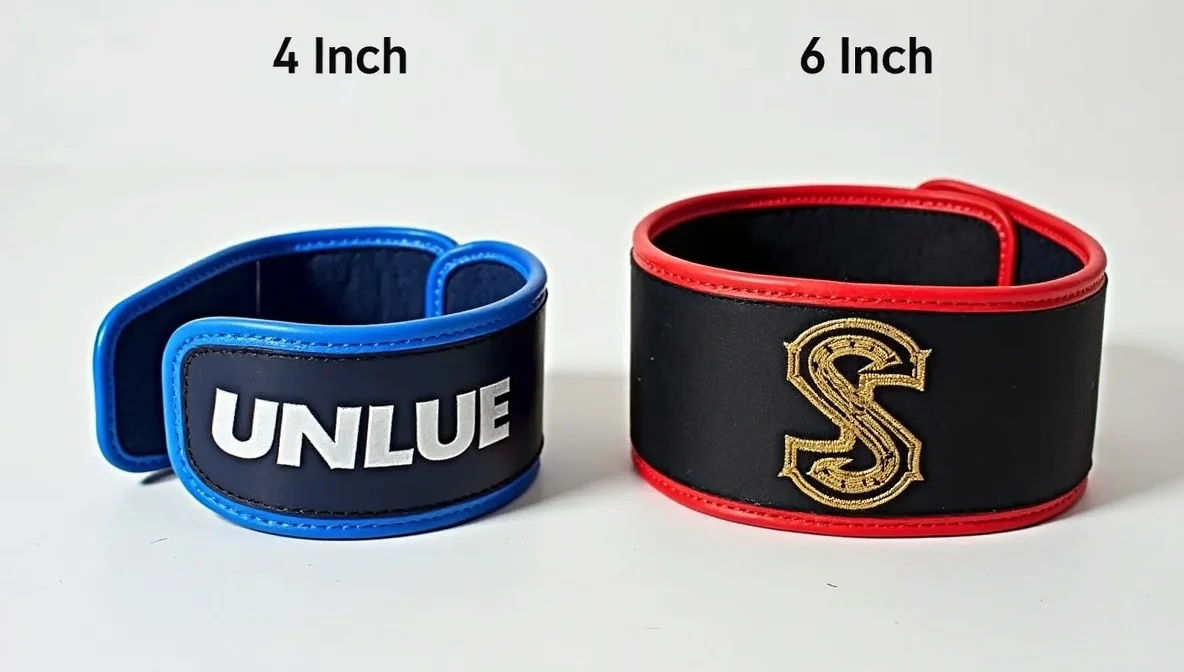

When it comes to serious strength training, investing in the right weightlifting belt can make a huge difference in performance and safety. But with different sizes available, many lifters wonder: Should I choose a 4-inch or a 6-inch weightlifting belt? Understanding the key differences can help you make the right decision for your body type, goals, and lifting style.
In this guide, we’ll compare 4-inch and 6-inch weightlifting belts in terms of support, flexibility, comfort, and best use cases—so you can confidently choose the one that suits your needs.
Key Takeaways
- 4-inch belts offer better mobility and are ideal for powerlifting lifting and competitive lifts.
- 6-inch belts provide more back support and are suited for general strength training or beginners.
- Choose based on your lifting goals, torso length, and comfort preference.
Why Use a Weightlifting Belt?
A weightlifting belt increases intra-abdominal pressure, helping to stabilize your spine during heavy lifts like squats and deadlifts. According to a 2022 study published in Sports Health, belts can improve lifting performance by up to 15% and reduce injury risk by supporting proper posture.
4 Inch vs 6 Inch Weightlifting Belt: Side-by-Side Comparison
| Feature | 4-Inch Belt | 6-Inch Belt |
| Width | Uniform 4-inch all around | 6 inches at back, tapers in front |
| Mobility | High (ideal for dynamic lifts) | Moderate (slightly restrictive) |
| Support | Strong core and spine support | Enhanced lumbar/back support |
| Best For | Powerlifters, Olympic lifting | Beginners, CrossFit, general training |
| Body Type | Short to average torso lengths | Average to long torso lengths |
| Flexibility | More comfortable for deep squats | May restrict depth slightly |
Who Should Use a 4-Inch Weightlifting Belt?
The 4-inch belt is the gold standard in powerlifting and Olympic lifting. Its uniform width offers strong, even pressure around the entire core, helping lifters generate more force while maintaining stability.
Ideal For:
- Competitive lifters
- Heavy deadlifts or squats
- Shorter or average-height athletes
- Those needing full range of motion
May Not Be Best For:
- Lifters needing extra lower back support
- Newbies not used to core bracing
Who Should Use a 6-Inch Weightlifting Belt?
The 6-inch belt is designed to provide extra lumbar support, particularly helpful for beginners or those lifting moderate weights. It typically tapers in the front for abdominal comfort, while offering more surface area in the back.
Ideal For:
- Beginners or casual lifters
- CrossFit training or functional fitness
- People with longer torsos
- Lifters with weak lower back
May Not Be Best For
- Competitive lifting where mobility is critical
- Deep squats and fast Olympic movements
Popular Belt Trends and Stats
- According to Stronger by Science, 87% of elite powerlifters prefer 4-inch belts.
- Global fitness accessory market, including belts, is expected to reach $12.5 billion by 2030, with demand growing at 4.6% CAGR (2023–2030).
- Casual gym-goers and CrossFit athletes are increasingly turning to tapered 6-inch belts for back safety.
What to Look for When Buying a Belt
Regardless of width, here are key features to check before buying:
Closure Type:
- Lever belts offer fast locking and are popular among powerlifters.
- Prong belts (single or double) offer a customizable fit.
- Velcro belts are common in CrossFit or lightweight routines.
Material:
- Leather belts: Durable, stiff, long-lasting (ideal for heavy lifting).
- Nylon belts: Lightweight, flexible, best for general workouts or CrossFit.
Fit Tip:
Measure around your navel—not your pants waist—to get an accurate belt size.
Still Not Sure? Ask Yourself These Questions:
- Are you lifting heavy with perfect form? → Go 4-inch.
- Do you need more back support or do general strength training? → Go 6-inch.
- Do you have a short torso? → 4-inch fits better.
- Are you tall or have lower back issues? → 6-inch might help.
Conclusion: Which One Should You Buy?
If you’re training for powerlifting, Olympic weightlifting, or prefer full mobility during squats and deadlifts, the 4-inch belt is your go-to. It’s compact, efficient, and supports dynamic movement.
If you’re a beginner, taller, or prefer general strength training with a focus on back support, the 6-inch belt will offer the confidence and stability you need.
Bottom Line: Choose the belt that matches your goals, not just the one with the most padding.
Frequently Asked Questions
Q: Can I use a 6-inch belt for deadlifts?
A: Yes, but it may restrict range of motion compared to a 4-inch belt, especially for shorter athletes.
Q: Are 4-inch belts uncomfortable for beginners?
A: Not necessarily. If fitted properly, they provide even pressure without being restrictive.
Q: Should I wear a belt for all workouts?
A: No. Use belts for max lifts or heavy compound movements. Train without one to build natural core strength.


 By
By

 By
By
 By
By