
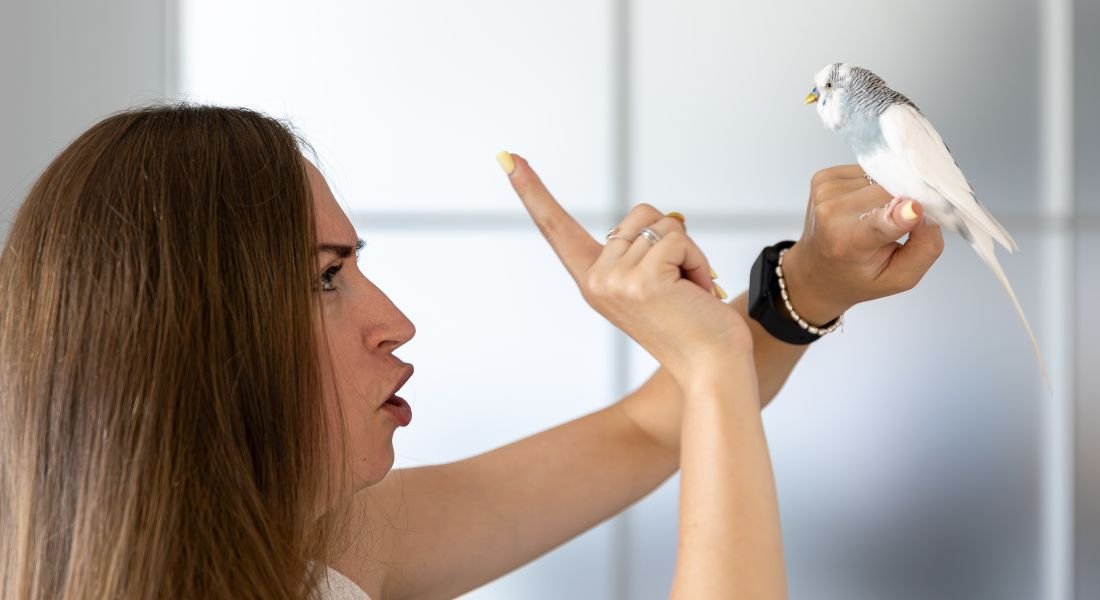

Birds are often seen as a delightful part of our natural environment, bringing beauty and life to our gardens and parks. However, not all birds are welcome guests. Some species can become a nuisance, causing damage to property, spreading disease, and creating unsightly messes. Understanding which birds to watch out for is essential for property owners, especially in urban areas where certain species thrive. In this article, we’ll explore how to identify problematic birds and what steps you can take to mitigate their impact.
Identifying Problematic Birds
When it comes to spotting birds that could pose a problem for your property, it’s crucial to know which species are most likely to cause issues. Here are some common culprits:
Pigeons
Pigeons are perhaps the most notorious urban birds. They are highly adaptable and can thrive in various environments, often nesting on buildings and ledges. Their droppings can be corrosive, damaging paint and stonework, and they can also carry diseases such as psittacosis and histoplasmosis.
Signs of a Pigeon Problem:
• Nesting materials like twigs and feathers on ledges or balconies.
• Accumulation of droppings, which can create a slippery and unsightly mess.
• Increased noise from cooing and fluttering.
Starlings
Starlings are another species to be wary of. Known for their iridescent feathers and impressive flocking behaviour, they can be a nuisance when they roost in large numbers. Their droppings can also be damaging, and they are known to strip fruit trees and gardens of their produce.
Signs of a Starling Problem:
• Large flocks congregating in trees or on rooftops.
• Damage to crops or garden plants.
• Nesting in eaves or vents, which can lead to blockages.
Sparrows
House sparrows are common in urban areas and can become a nuisance when they invade homes and businesses. They often build nests in eaves, vents, and other sheltered spots, leading to potential fire hazards and structural damage.
Signs of a Sparrow Problem:
• Nesting materials found near entry points to your property.
• Increased chirping and activity around your home.
• Blocked vents or chimneys due to nesting.
For a more comprehensive list, including their behaviours and potential impacts, you can refer to this detailed guide on birds to watch out for.
Understanding the Risks
The risks associated with problematic birds extend beyond mere inconvenience. Here are some key concerns:
Health Hazards
Bird droppings can harbour pathogens that pose health risks to humans and pets. Diseases such as salmonella, cryptococcosis, and even avian influenza can be transmitted through contact with droppings or contaminated surfaces.
Property Damage
The corrosive nature of bird droppings can lead to significant damage to buildings, vehicles, and outdoor furniture. Over time, this can result in costly repairs and maintenance.
Noise and Disturbance
Birds like pigeons and starlings can create a significant amount of noise, especially during mating seasons. This can be particularly disruptive in residential areas, affecting the quality of life for homeowners.
Prevention and Control
Once you’ve identified the birds that could be a problem for your property, it’s essential to take proactive measures to prevent them from becoming a nuisance. Here are some effective strategies:
Physical Barriers
Installing physical barriers can be one of the most effective ways to deter birds. This can include:
• Netting: Use bird netting to block access to areas where birds like to nest.
• Spikes: Bird spikes can be installed on ledges and rooftops to prevent birds from landing.
• Screens: Fitting screens over vents and chimneys can prevent birds from entering.
Habitat Modification
Making your property less inviting to birds can significantly reduce their presence. Consider the following:
• Remove Food Sources: Ensure that food waste is properly disposed of and that bird feeders are not attracting unwanted species.
• Trim Vegetation: Keep trees and shrubs well-trimmed to reduce nesting opportunities.
• Seal Entry Points: Inspect your property for gaps and holes where birds could enter and seal them effectively.
Professional Help
If you find that your efforts to control problematic birds are not yielding results, it may be time to seek professional assistance. Pest control experts can provide tailored solutions based on the specific species causing issues and the unique characteristics of your property.
Conclusion
Being aware of the birds that could pose a problem for your property is the first step in effective management. By identifying these species and understanding the risks they present, you can take proactive measures to protect your home or business. Whether through physical barriers, habitat modification, or professional help, there are numerous strategies available to mitigate the impact of nuisance birds.
Ultimately, maintaining a balance between enjoying the beauty of our feathered friends and protecting our properties is key. With the right knowledge and tools, you can ensure that your property remains a welcoming space for both humans and the right kind of wildlife.


 By
By
 By
By

 By
By
 By
By