
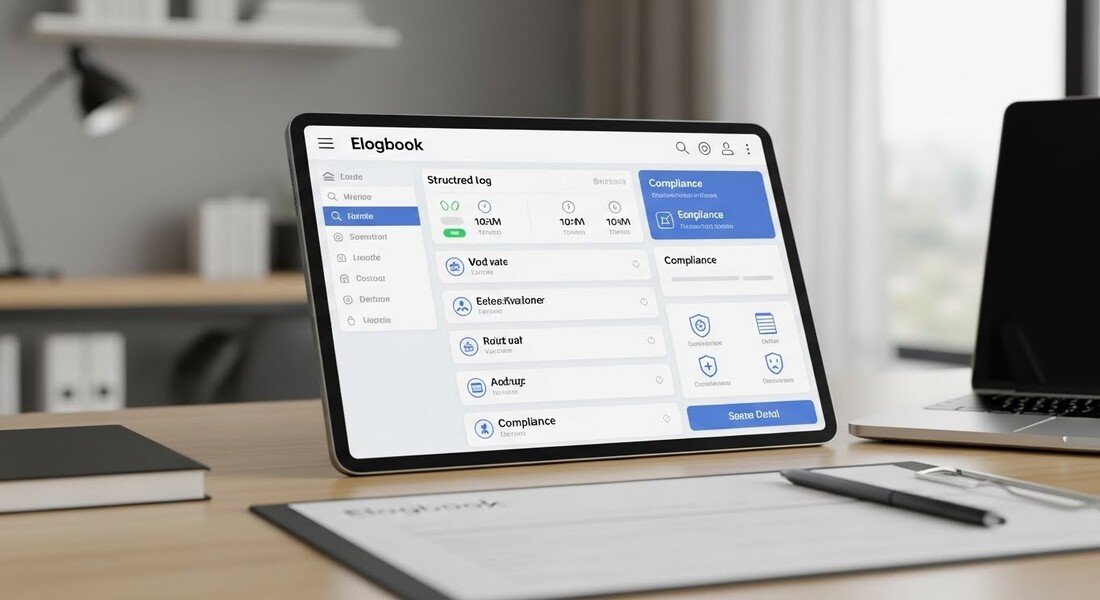

Record keeping has always been a critical part of professional life. From tracking vehicle usage to documenting maintenance compliance and operational activities logs form the backbone of accountability.
For decades paper logbooks were the default solution despite their limitations. Lost pages, unreadable handwriting delayed entries and manual errors were accepted as normal risks.
The elogbook changes that reality completely. By moving records into a secure digital environment it reshapes how organizations capture, store and analyze information.
This shift is not just about convenience. It is about trust accuracy and efficiency in a data driven world. As industries face stricter regulations and higher expectations elogbooks are becoming a standard rather than a luxury.
Understanding how they work and why they matter can help you stay ahead, reduce risk and operate with confidence. Let us begin by understanding the foundation of this powerful tool.
Who Needs an Electronic Logbook (eLog)?
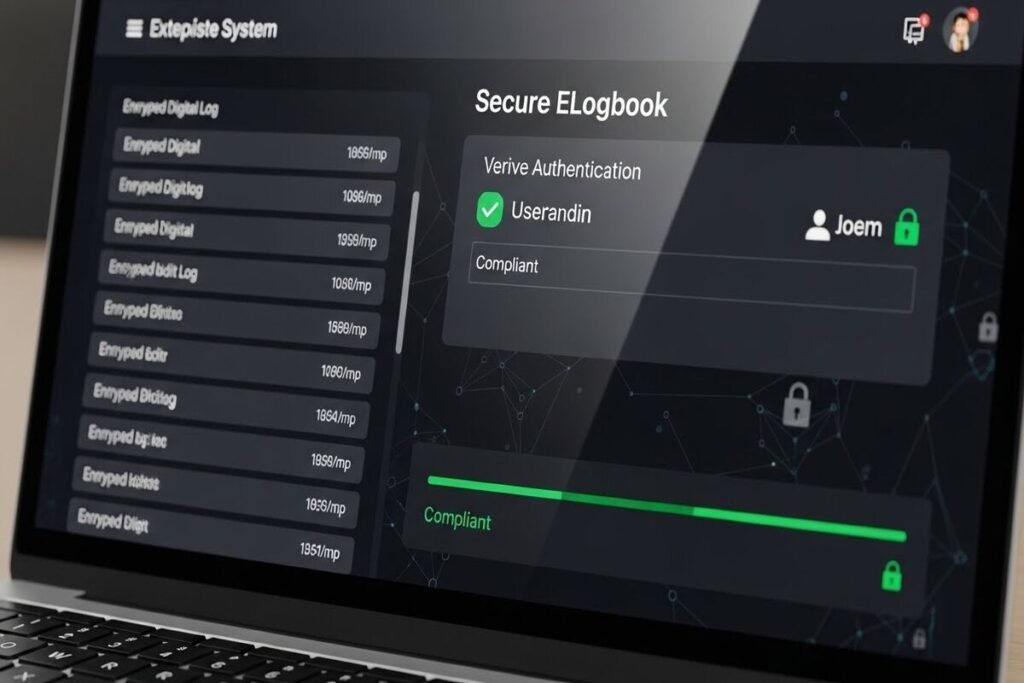
An eLogbook is essential for any industry or business where accurate record keeping is required especially in highly regulated environments. The primary users of eLogbooks include:
- Commercial Drivers: Companies in the transportation industry (e.g. trucking fleet management) must adopt eLogbooks to comply with regulations around working hours and driver safety.
- Manufacturing and Industrial Operations: Organizations that track equipment use maintenance logs and compliance requirements.
- Healthcare and Medical Industries: Hospitals and clinics using eLogbooks for equipment logs maintenance and compliance.
- Aviation and Maritime: Industries that require detailed time stamped logs of vehicle or equipment usage for operational integrity and safety.
Any business or organization that needs to keep detailed verifiable and compliant records would benefit from using an eLogbook system.
Benefits of Electronic Logging
The shift from paper logbooks to electronic logbooks offers a multitude of benefits:
Cost effective
By reducing the need for physical storage paper usage and the labor intensive process of manual logging eLogbooks lead to long term cost savings.
Time saving and Efficiency
eLogbooks eliminate the need for manual data entry and paper records which reduces administrative work.
Increased Accuracy
Automated data entry significantly reduces human error ensuring consistent and accurate records.
Real time Tracking
Managers can access and monitor real time data making it easier to track activities, make decisions and avoid delays.
Regulatory Compliance
eLogbooks help businesses stay compliant with industry regulations by automating record keeping and generating detailed reports.
Choosing an ELD (Electronic Logbook Device)
Selecting the right eLogbook or Electronic Logging Device (ELD) is crucial to ensure smooth operation compliance and efficiency. When choosing an eLogbook consider the following factors:
Support and Service: Choose a vendor with excellent customer support and training materials to help implement the system effectively.
Compatibility: Ensure that the device is compatible with existing equipment whether it’s vehicle sensors or enterprise software.
Scalability: Look for a solution that can scale with your business as it grows and adapts to changing needs.
Portability: Does the system work on mobile devices and tablets? It should support both in vehicle and remote usage.
Ease of Use: The software should be user friendly to ensure smooth adoption by employees especially in sectors where non technical staff are involved.
Electronic Logbook (eLogbook)
An eLogbook is a digital platform that allows users to record, store and manage log entries electronically. These systems are designed to automate the process of logging information like operational activities inspections usage records and compliance data.
Features of eLogbooks include:
- Customization: eLogbooks can be tailored to meet specific industry needs whether it’s tracking vehicle usage or equipment maintenance.
- Real time Data Entry: Automated data capture minimizing the need for manual input.
- Audit Trails: Logs are timestamped and associated with specific users ensuring data integrity and accountability.
- Cloud Integration: Many systems support cloud storage ensuring secure backup and easy retrieval of records.
- Mobile Accessibility: Users can access the logbook from mobile devices allowing for flexible usage in field operations.
Paper Logbooks
Although eLogbooks have become the standard paper, logbooks are still in use in some cases, especially in businesses that have not yet transitioned to digital solutions.
While paper logbooks are still functional they come with several significant drawbacks. Firstly they are prone to errors as handwritten logs are susceptible to issues such as illegible handwriting missing entries and general human error.
Additionally paper records require physical space for storage and retrieving or searching through these records can be a time consuming and cumbersome task. Moreover paper logbooks pose compliance risks as many industries now require digital logs for audit purposes.
This makes paper records outdated and non compliant with modern regulatory standards. Despite these shortcomings some industries or businesses may still use paper backups particularly in emergencies or transitional periods as long as they continue to maintain digital records as the primary system.
Requirements to Obtain an eLogbook
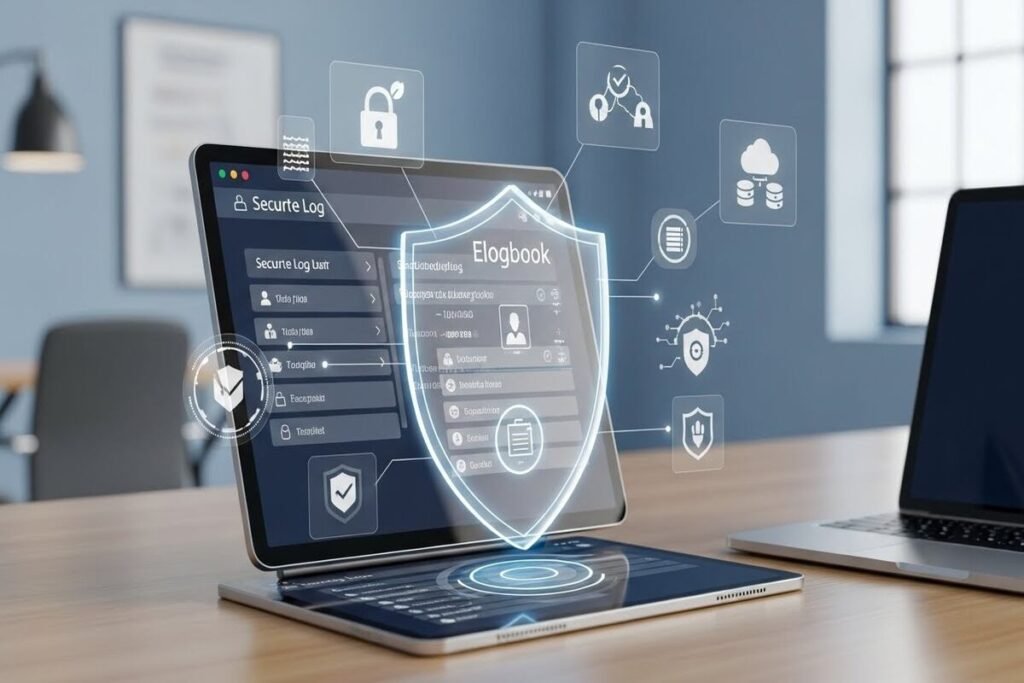
To obtain and use an eLogbook certain requirements must be met. First organizations must be registered with the relevant regulatory bodies such as the FMCSA for transportation industries.
It’s essential to ensure that the eLogbook solution complies with the specific regulatory requirements of your industry or jurisdiction. Additionally businesses need to set up the software platform and verify that devices like smartphones or tablets are compatible and updated to the latest software versions.
Staff must also undergo training to learn how to use the system effectively ensuring data accuracy and operational efficiency. Once these steps are completed businesses can begin recording data ensuring regulatory compliance and maintaining data integrity.
Conclusion
The eLogbook is no longer just a convenience it’s a necessity in the modern world of data management. By improving accuracy efficiency and compliance eLogbooks provide unparalleled advantages over paper logbooks helping organizations stay ahead of regulatory demands, reduce costs and enhance operational performance.
As industries evolve the eLogbook is quickly becoming the standard in various fields offering better accuracy, security and real time insights.
FAQs
Is an elogbook legally accepted in audits and inspections?
Yes elogbooks are widely accepted when they meet regulatory requirements such as secure access, tamper proof records and complete audit trails. Acceptance depends on the industry and jurisdiction.
Can an elogbook work without internet access?
Many elogbook systems offer offline functionality. Entries made offline are stored locally and synced automatically once an internet connection is restored.
How difficult is it to train staff on an elogbook?
Most elogbooks are designed with user-friendly interfaces. Training time is usually minimal especially compared to the long term efficiency gains.
What happens if data in an elogbook needs correction?
Corrections can be made through controlled processes that preserve the original entry. The audit trail records what was changed by whom and when.
Are elogbooks suitable for small businesses?
Yes, eLogbooks are scalable and can be tailored to small operations. They often reduce administrative workload and improve professionalism.
How long should elogbook records be retained?
Retention periods vary by industry and regulation. Organizations should follow applicable legal and compliance requirements when defining retention policies.


 By
By
 By
By
 By
By

 By
By