
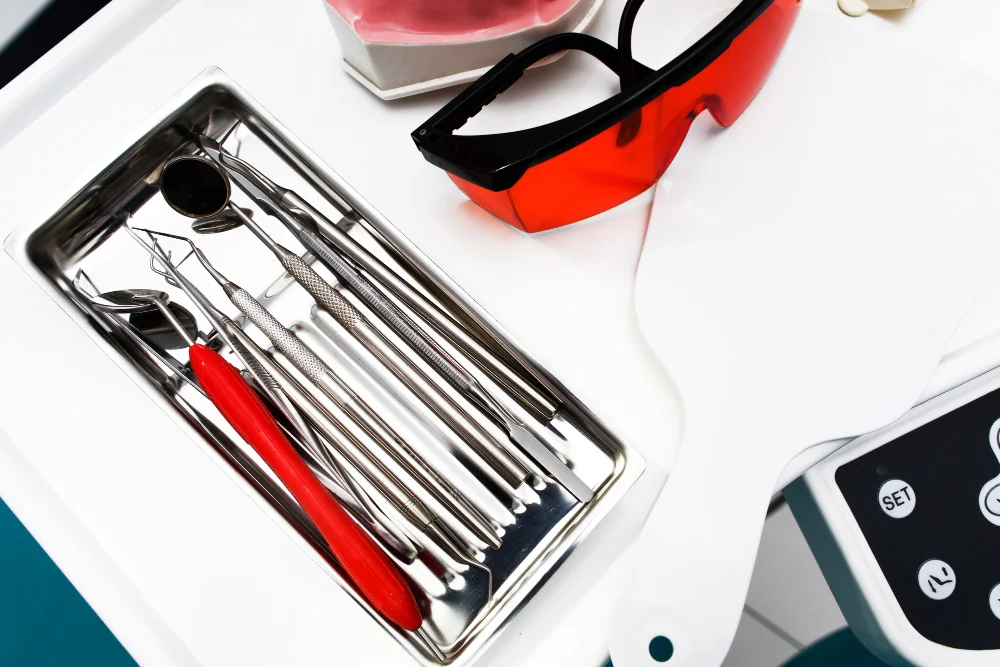

Your teeth carry your story every single day. Preventive tools help you protect that story before pain, infection, or tooth loss steal your comfort. In a routine visit, your general dentist does more than “clean your teeth.” You get a set of focused tools that lower your risk of cavities, gum disease, and expensive treatment. This blog explains four common preventive tools your dentist may use during a visit, and why each one matters for you. You will see how these tools work together to stop small problems from turning into emergencies. You will also know what to ask for at your next appointment, whether you visit a large clinic or a local office like Warminster dental. With clear information, you can walk into your next checkup feeling prepared, calm, and in control of your health.
1. Professional cleanings
You brush and floss at home. You still need regular cleanings. At each visit, a dentist or hygienist checks for plaque and tartar. Plaque is a soft film that builds up every day. Tartar is hardened plaque that you cannot remove with a toothbrush.
During a cleaning, the team will
- Scrape away tartar from teeth and along the gumline
- Polish your teeth to remove surface stains
- Floss between teeth to reach hidden spots
This process lowers your risk of cavities and gum disease. It also lets the dentist see early damage that you may not feel yet. The Centers for Disease Control and Prevention explains that untreated cavities and gum disease can lead to infection and tooth loss. Regular cleanings help you avoid that path.
You should ask how often to schedule cleanings. Many people need a visit every six months. Some people with more plaque or gum problems need visits every three or four months. You do not fail if you need more visits. You respond to what your mouth needs.
2. Dental sealants
Sealants are thin coatings that a dentist paints on the chewing surfaces of back teeth. These teeth have deep grooves. Food and bacteria hide in those grooves and cause cavities.
The dentist will
- Clean and dry the tooth
- Place a gentle gel to roughen the surface
- Rinse and dry again
- Paint on the liquid sealant
- Harden it with a curing light
The coating acts like a shield that fills the grooves so food cannot pack in as easily. The National Institute of Dental and Craniofacial Research notes that sealants can prevent most cavities in the chewing surfaces of molars in children.
Sealants help
- Children and teens with new permanent molars
- Adults with deep grooves or a history of many cavities
- People with trouble brushing well
Sealants do not replace brushing or flossing. They add one more layer of safety. You can ask if you or your child are good candidates and how long the dentist expects the sealants to last.
3. Fluoride treatments
Fluoride is a mineral that strengthens tooth enamel. You get fluoride from toothpaste, some drinking water, and some foods. A dentist can give a stronger dose during a visit.
In an office, fluoride may come as
- Foam in a mouth tray
- Varnish painted on teeth
- Gel placed on teeth
The treatment takes a few minutes. It does not hurt. It helps repair weak spots in enamel before a cavity forms. It also makes teeth more resistant to acid from food and bacteria.
Fluoride treatments are useful if you
- Have many fillings or crowns
- Have dry mouth from medicine or health conditions
- Have braces that trap food
- Snack often or drink many sugary drinks
Your dentist will suggest how often you need fluoride. Some people need it once a year. Some need it every visit. This step can save you from future drilling and injections.
4. X rays and early detection tools
You cannot see everything in your mouth. Your dentist uses X rays to see between teeth and under fillings. These images show cavities, bone loss, and infections before they hurt.
During X rays, a small sensor or film rests in your mouth. A machine sends a short burst of radiation. Modern dental X rays use low levels of radiation. The team gives you a lead apron for extra protection.
In addition to X rays, your dentist may use
- Small cameras that take pictures inside your mouth
- Simple tools to measure gum health
- Lights or dyes that highlight suspicious spots
These tools do not just find problems. They guide your preventive plan. If an X ray shows early decay, your dentist may use fluoride or sealants instead of a filling.
Comparison of common preventive tools
| Tool | Main purpose | Who benefits most | Typical schedule |
|---|---|---|---|
| Professional cleanings | Remove plaque and tartar. Support gum health. | Everyone including children and adults | Every 6 months. More often if you have gum problems. |
| Dental sealants | Protect chewing surfaces from cavities. | Children, teens, and adults with deep grooves or many cavities | Once on each tooth. Touchups as needed if worn or chipped. |
| Fluoride treatments | Strengthen enamel and stop early decay. | People at higher risk for cavities or dry mouth | Every 3, 6, or 12 months based on risk. |
| X rays and early detection tools | Find hidden problems and guide care. | Everyone. Extra value for people with past dental work | Every 1 to 3 years. More often if you have higher risk. |
How to use these tools to protect your family
You do not need to know every detail of each tool. You only need to ask clear questions and stay involved. You can
- Ask your dentist which tools you or your child will receive at each visit
- Request a simple explanation of what each tool does
- Share your health history and medicines so the team can tailor care
Then you can support that care at home. You can brush twice a day with fluoride toothpaste. You can floss once a day. You can limit sugary snacks and drinks. You can keep scheduled visits even when your mouth feels fine.
Preventive tools work best when you use them early and often. They protect your comfort, your confidence, and your wallet. When you sit in the dental chair and see these tools, you can know they are not random gadgets. They are shields that help you keep your own story, one tooth at a time.


 By
By
 By
By

 By
By