
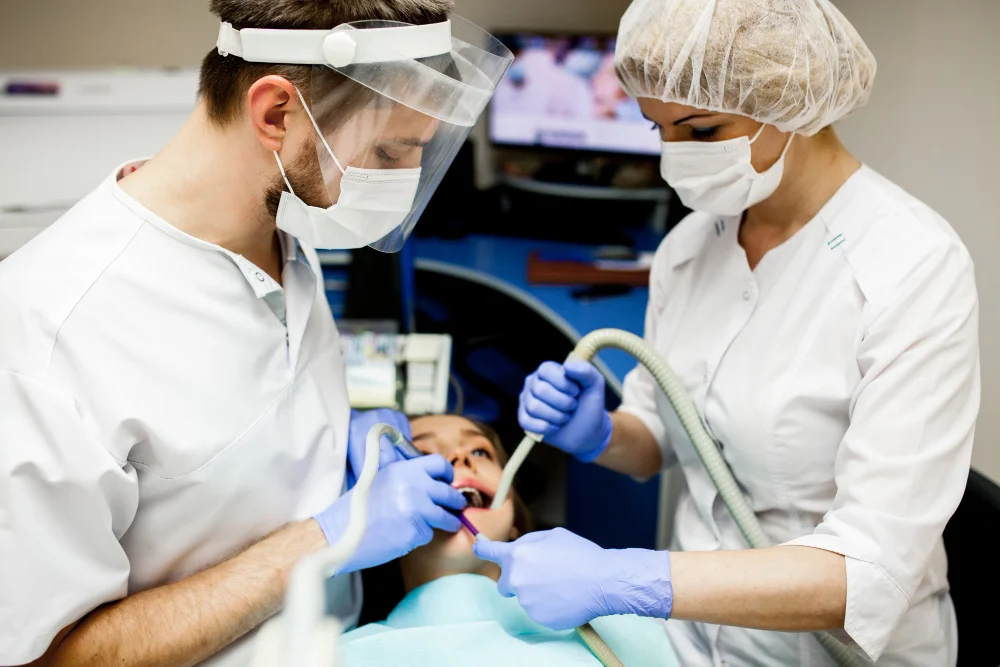

Orthodontic treatment changes more than your smile. It reshapes how you bite, chew, and speak. Before braces or aligners go on, your mouth needs a strong base. That is where general dentistry guides you. A San Jose dentist checks for decay, gum disease, infection, and injury. Then the dentist fixes what could disrupt orthodontic work. You might need fillings, deep cleanings, extractions, or repair of worn teeth. You might need coaching on brushing and flossing that fits your routine. Every step protects you from pain, delay, and cost during treatment. It also reduces the risk of tooth loss, root damage, and soft tissue injury. General dentistry does not compete with orthodontics. Instead it clears the path so tooth movement is safer and more stable. When you understand this partnership, you can ask better questions and feel less fear about what comes next.
Why Your Mouth Must Be Healthy Before Braces
Orthodontic care moves teeth through bone. If teeth or gums are weak, that movement can hurt you. It can also fail. You need a clean, calm mouth first. General dentistry gives you that start.
According to the Centers for Disease Control and Prevention, untreated cavities and gum disease are common in children and adults. Braces or aligners can trap food and make these problems worse. If your dentist treats them before brackets or trays go on, you lower the risk of infection, pain, and tooth loss.
Think of it as building a house. You would not place new walls on soft ground. In the same way, you should not move teeth that sit in infected gums or cracked roots. You deserve a stable base.
Key General Dentistry Steps Before Orthodontic Treatment
Your dentist follows a clear path before you start orthodontic care. You will notice three main steps.
1. Full Mouth Checkup
- Review of your medical and dental history
- Exam of teeth, gums, tongue, and cheeks
- X rays to spot hidden decay or bone loss
- Bite check to see how your teeth meet
This exam shows what needs repair before teeth move. It also gives a record to compare later.
2. Fixing Current Problems
- Fillings for cavities
- Root canal treatment if the nerve is infected
- Deep cleaning if you have gum disease
- Extractions when a tooth cannot be saved or blocks movement
- Repair of chipped or worn teeth so brackets can attach
You might feel worried when you hear this list. Yet fixing these problems now is kinder than treating a crisis in the middle of orthodontic work.
3. Cleaning And Coaching
Your dentist cleans off plaque and tartar. Then you get clear steps you can use at home.
- How to brush around brackets or aligners
- How to clean between teeth with floss threaders or small brushes
- Which fluoride products protect enamel
- Which snacks and drinks raise your risk of decay
The National Institute of Dental and Craniofacial Research explains that fluoride, brushing, flossing, and smart food choices lower decay. These same habits protect you during orthodontic care when cleaning is harder.
How General Dentistry And Orthodontics Work Together
General dentists and orthodontists play different roles. Yet they share one goal. They want you to have a strong, comfortable bite that lasts.
Your general dentist often does three things before, during, and after orthodontic work.
- Before treatment. Clear infection, repair damage, and plan extractions if needed.
- During treatment. Give cleanings, check for decay, and treat sore or injured spots.
- After treatment. Smooth rough edges, replace worn fillings, and build a long term care plan.
This teamwork also matters for children. Early visits help track jaw growth and tooth loss. That way your child can start orthodontics at a safer time.
Comparing Mouth Health Before And After General Dentistry Care
You might wonder how much difference these steps make. The table below shows a simple comparison of mouth health risk when you start orthodontic treatment with and without general dentistry care.
| Factor | Without general dentistry prep | With general dentistry prep |
|---|---|---|
| Risk of cavities during treatment | High. Existing decay spreads under brackets. | Lower. Cavities treated and fluoride plan in place. |
| Risk of gum infection | High if plaque and tartar already present. | Lower after cleaning and gum treatment. |
| Chance of treatment delays | More visits to fix emergencies. | Fewer surprises and smoother schedule. |
| Comfort during orthodontics | More pain from untreated teeth and gums. | Less pain with stable teeth and calm tissue. |
| Long term stability of results | Weaker support from unhealthy bone and gums. | Stronger support from treated, monitored mouth. |
What To Expect At Each Stage Of Care
You can feel more calm when you know what comes next. You can think of your path in three short stages.
Stage 1. Getting Ready
- Schedule a full exam with your dentist.
- Complete X rays and photos if needed.
- Talk about pain, fear, and money limits with your care team.
Your dentist will share what must be fixed before an orthodontist can start. You can ask what can wait and what cannot.
Stage 2. Repair And Cleaning
- Finish needed fillings and other treatments.
- Get a regular or deep cleaning.
- Learn new brushing and flossing steps.
This stage can feel tiring. Yet it is often short. Each visit moves you closer to a healthy start with braces or aligners.
Stage 3. Orthodontics With Ongoing Support
- Begin braces or aligner treatment.
- Return to your general dentist every six months or as advised.
- Report any new pain, swelling, or broken hardware right away.
Your orthodontist adjusts teeth. Your dentist protects tooth structure and gum health. Both roles matter for your final smile.
How You Can Protect Yourself And Your Family
You have power in this process. You can ask clear questions.
- Is my mouth healthy enough to start orthodontic work now
- What problems must be fixed first
- How often should I see you during orthodontic treatment
- What can I do at home to cut my risk of cavities and gum disease
You can also keep a simple daily routine.
- Brush twice a day with fluoride toothpaste.
- Clean between teeth once a day.
- Drink water instead of sugary drinks most of the time.
- Wear a mouthguard for sports if you have braces.
General dentistry lays the ground for orthodontic success. With a strong base, you gain more than straight teeth. You gain a bite that works, a mouth that feels safe, and a smile you can trust for years.


 By
By



 By
By