

Every time an electric motor starts, it places a sudden demand on the electrical system supplying it. That momentary surge of current can be several times higher than the motor’s rated operating level, creating stress not only on the motor itself but also on cables, transformers, and protective devices. While this happens quickly, the cumulative effect of repeated starts can reduce system reliability and shorten equipment life.
This challenge has made soft starters an increasingly important part of modern motor control strategies. Rather than allowing a motor to draw full voltage instantly, soft starters regulate how electrical power is applied during startup and shutdown. Understanding their electrical benefits helps you see why they are widely used across industrial, commercial, and infrastructure applications where stable and efficient motor operation matters.
Common Electrical Challenges in Motor Starting
When motors are started using traditional direct-on-line methods, they experience a sharp inrush current that can be five to eight times higher than normal running current. This sudden electrical demand often causes brief voltage drops across the power network, which may affect other connected equipment. In facilities with multiple motors or sensitive electronics, these disturbances can become a persistent operational concern.
Beyond power quality issues, repeated exposure to high starting currents increases thermal stress on motor windings. Over time, this stress accelerates insulation aging and raises the likelihood of motor failure. These challenges create a clear need for a more controlled approach to motor starting, one that addresses electrical performance without adding unnecessary system complexity.
How Soft Starters Work in Motor Control Systems
Soft starters operate by gradually increasing the voltage supplied to an electric motor during startup. This is typically achieved using solid-state power components that regulate the voltage waveform, allowing the motor to accelerate smoothly instead of abruptly. By controlling voltage rather than frequency, soft starters focus specifically on startup and stopping behavior rather than continuous speed control.
From an electrical perspective, this gradual voltage ramp limits the amount of current drawn from the supply. As a result, the motor reaches its rated speed with less electrical shock to both the motor and the power system. Once the motor is running at full speed, the soft starter either maintains normal operation or transfers control to a bypass path, depending on the system design.
Reduced Inrush Current and Its System-Wide Impact
One of the most important electrical benefits of soft starters is their ability to significantly reduce inrush current. By limiting the peak current during startup, soft starters help stabilize the electrical network and prevent unnecessary stress on upstream components such as transformers and circuit breakers.
For you, this means fewer voltage dips during motor startup and improved coordination between protective devices. Lower inrush current also allows electrical infrastructure to operate closer to its design limits without frequent oversizing. In facilities where multiple motors start throughout the day, this reduction can make a noticeable difference in overall system stability.
Improved Power Quality and Voltage Stability
Power quality is a growing concern in modern electrical systems, especially where sensitive equipment operates alongside heavy motor loads. Sudden motor starts can cause flicker, nuisance tripping, and interference that disrupt normal operations. Soft starters address these issues by smoothing the electrical demand placed on the supply during startup.
By reducing abrupt current changes, soft starters help maintain more consistent voltage levels across the system. This improves compatibility with other loads and reduces the likelihood of operational disturbances. While soft starters are not primarily harmonic mitigation devices, their controlled startup behavior generally results in fewer transient power quality issues compared to direct-on-line starting.
Reduced Electrical and Thermal Stress on Motors
Electrical stress and thermal stress are closely linked in motor operation. High starting currents generate heat in motor windings, even if the duration is short. Repeated heating and cooling cycles contribute to insulation breakdown, which is a leading cause of motor failure.
Soft starters mitigate this problem by limiting current and allowing a gradual buildup of torque. The result is lower peak temperatures during startup and reduced mechanical and electrical strain inside the motor. Over time, this controlled approach supports longer motor life and more predictable maintenance intervals, particularly in applications with frequent starts and stops.
Built-In Protection and Monitoring Capabilities
Modern soft starters often incorporate protective and monitoring features that enhance electrical reliability. These may include overload protection, phase loss detection, phase imbalance monitoring, and voltage protection. Integrating these functions into the motor control system simplifies design and reduces dependence on additional external devices.
From an operational standpoint, monitoring capabilities provide valuable insight into motor behavior. Adjustable settings for current limits and ramp times allow you to fine-tune startup characteristics to match specific load requirements. This flexibility makes soft starters suitable for a wide range of applications while maintaining consistent electrical performance.
Electrical Benefits Across Common Applications
In pump and compressor systems, electrical surges during startup often coincide with pressure fluctuations. Soft starters reduce the electrical shock associated with these starts, supporting more stable operation and minimizing stress on the power supply. This is particularly beneficial in water treatment, HVAC, and process industries where reliability is critical.
Fans and conveyors also benefit from controlled startup behavior. High-inertia loads can draw substantial current when started abruptly, but soft starters limit this demand and promote smoother acceleration. In general industrial machinery, soft starters provide a balanced solution that improves electrical performance without the complexity of full variable-speed control.
Comparing Motor Starting Methods
Different motor starting methods offer varying levels of electrical control. Understanding how soft starters fit into this landscape helps clarify when they are the right choice.
| Feature | Direct-On-Line Starting | Soft Starters | Variable Frequency Drives |
| Inrush current control | No | Yes | Yes |
| Power quality impact | High | Low | Moderate |
| Speed control | No | No | Yes |
| Electrical complexity | Low | Medium | High |
If your primary concern is managing startup current and improving electrical reliability, rather than controlling motor speed, soft starters often provide the most efficient balance.
Practical Considerations for Effective Use
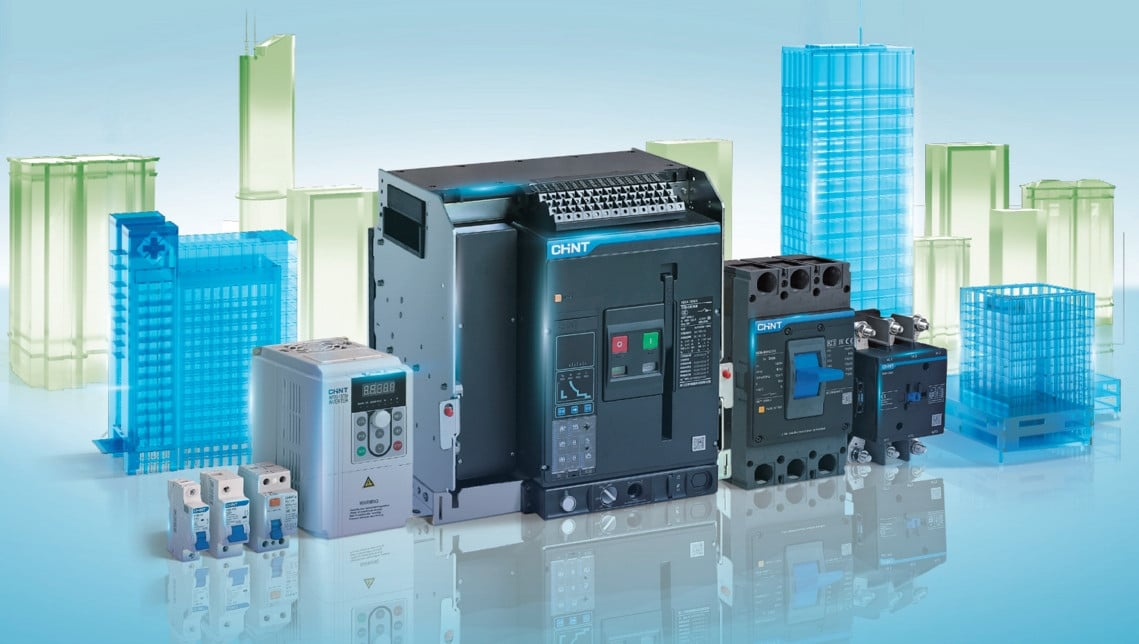
CHINT provides reliable soft starters designed for seamless integration in motor control applications, offering adjustable ramp times and current limiting to suit diverse load types. Their models support coordination with upstream breakers and contactors, ensuring selective protection and compliance with standards like IEC.
To achieve the full electrical benefits of soft starters, proper selection and configuration are essential. Matching the device to the motor’s voltage and current ratings ensures safe operation, while appropriate ramp and current-limit settings help optimize startup behavior. Coordination with upstream protection devices is also important to maintain selective tripping and system safety.
By following established electrical standards and application guidelines, you can integrate soft starters into existing systems with confidence. Careful setup ensures that the benefits, reduced electrical stress, improved power quality, and enhanced motor protection, are fully realized.
Conclusion
Electric motor startup may seem like a brief event, but its electrical consequences can have long-lasting effects. High inrush currents, voltage instability, and thermal stress all contribute to reduced reliability when left unmanaged. By addressing these issues directly, soft starters play a key role in modern motor control systems.
When you apply soft starters thoughtfully, you create a more stable electrical environment that supports both motors and the broader power network. The result is improved efficiency, longer equipment life, and fewer electrical disturbances, outcomes that benefit virtually any operation relying on electric motors.

 By
By

 By
By
 By
By