
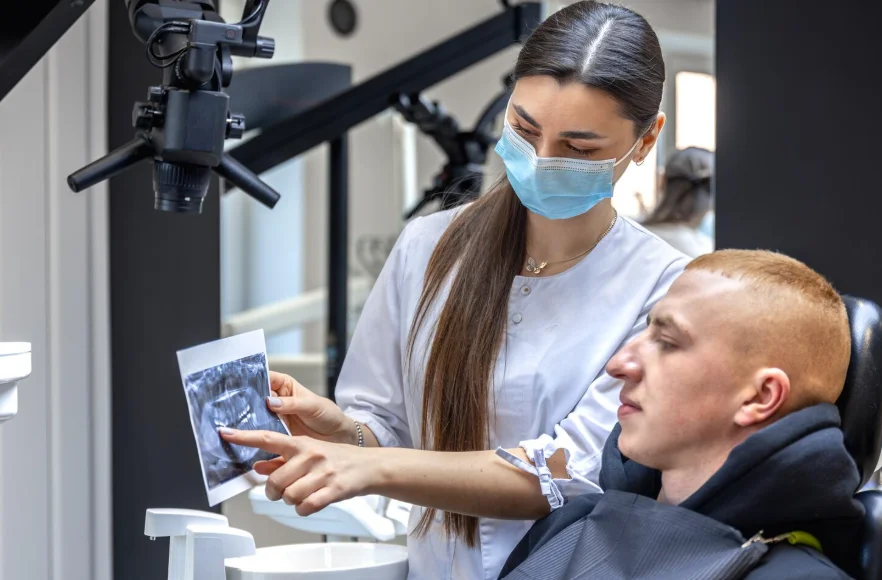

Modern general dentistry focuses on your comfort first. You may remember long waits, unclear answers, and cold exam rooms. Today, your experience with a general dentist in Green Bay, WI can feel very different. You can expect gentle tools, quiet technology, and clear steps from start to finish. You stay informed. You stay in control. You sit in a chair that supports your body. You feel less stress when you know what will happen and why it matters. You also benefit from early checks that catch small problems before they turn into pain. You see images of your teeth on a screen. You can ask direct questions and get honest answers. You deserve care that respects your time, your comfort, and your fears. This blog shows how modern techniques in general dentistry protect your health and calm your nerves at the same time.
Why comfort in dental care matters to you and your family
Fear of the dentist often starts in childhood. It can last for decades. You may avoid care until pain forces a visit. That delay can lead to deeper problems and higher costs.
Modern general dentistry works to break that cycle. It focuses on three goals.
- Lower your pain and discomfort
- Lower your stress and fear
- Give you clear choices about your care
This approach helps every person in your family. Children build trust early. Teens feel respect. Adults feel heard. Older adults receive care that fits their health limits.
New tools that reduce pain and stress
Modern tools aim to protect your comfort at each step.
- Topical numbing gels. These gels numb your gums before a shot. You feel less sting and less tension.
- Thin needles and gentle injection methods. Smaller needles and slow delivery help cut sharp pain.
- Electric handpieces. These drills are quieter and smoother than older air drills. Less noise means less fear.
- Laser dentistry. In some cases a laser can treat soft tissue with less bleeding and less need for stitches.
The National Institute of Dental and Craniofacial Research explains that early treatment and regular care lower the chance of severe tooth decay. Modern tools support that by making each visit easier to handle.
Digital x rays and cameras help you see and understand
Confusion builds fear. When you do not see what the dentist sees, you may feel lost. Digital tools help fix that gap.
- Digital x rays. These use less radiation than older film systems. Images appear on a screen in seconds. You can see cavities, bone levels, and existing fillings.
- Intraoral cameras. A small camera takes close photos of each tooth. You see cracks, worn spots, and plaque on a large monitor.
When you see your own teeth, you gain control. You can ask targeted questions. You can compare images over time. You can decide between options with more confidence.
Comfort features in the dental chair
Comfort is not only about tools. It is also about the room and the way you sit.
- Supportive chairs that reduce strain on your neck and back
- Neck pillows and blankets by request
- Noise canceling headphones or music to block sounds
- TV screens on the ceiling to distract children and adults
Your dentist may also use simple breathing cues and short breaks to help you reset. These small steps can change the whole visit.
How modern methods compare to older care
The table below gives a simple comparison of older methods and newer comfort focused methods. It shows why many families feel more at ease today.
| Aspect of care | Older approach | Modern comfort focused approach |
|---|---|---|
| X rays | Film x rays. Higher radiation. Longer wait. Hard to share. | Digital x rays. Lower radiation. Instant view on screen. |
| Drills | Loud air drills. Strong vibration. Higher noise stress. | Electric handpieces. Quieter. Smoother feel. |
| Numbing | Shot without numbing gel. Faster but more painful. | Topical gel first. Slower but less painful. |
| Patient role | Dentist talks. Patient listens. Few questions. | Two way talk. Photos and x rays shown. Questions invited. |
| Children | Limited explanation. Little distraction. | Simple words. Tell show do method. TV or music for calm. |
| Record keeping | Paper charts. Hard to compare changes. | Electronic records. Easy to track progress over time. |
Support for children and anxious patients
Many children fear the dentist after one rough visit. Modern offices work to protect them.
- Staff use plain words instead of scary terms.
- They explain tools before using them.
- They let a child touch a mirror or air tool first.
- They offer short visits to build trust.
Anxious adults receive similar support. Some offices offer light oral sedation or nitrous oxide when needed. Others focus on longer talk time before care. You choose what feels safe.
The Centers for Disease Control and Prevention notes that tooth decay is common in children and adults. Regular visits prevent many problems. When visits feel safe, you are more likely to keep going.
How to talk with your general dentist about comfort
You have a right to speak openly about fear and pain. A modern general dentist expects that talk.
Try these steps.
- Share past dental experiences that still bother you.
- Explain what triggers your fear. It might be needles, sounds, or loss of control.
- Ask what comfort options the office offers before, during, and after care.
- Agree on a hand signal to pause treatment at any time.
- Ask to see images and photos so you understand each step.
A caring response is a sign you are in the right place. You should feel heard and respected.
Building a long term relationship with your dentist
Comfort grows over time. Each visit builds trust. Your dentist learns your health story, your pain limits, and your goals. You learn how the team works and what to expect.
With that trust you gain three key benefits.
- You catch problems early with less pain.
- You face fewer dental emergencies.
- You feel steady, not fearful, when you sit in the chair.
General dentistry today aims to protect your teeth and your sense of safety. When you find a dentist who uses modern techniques and clear talk, each visit becomes more bearable. You and your family can keep strong smiles with less fear and less stress.

 By
By

 By
By