
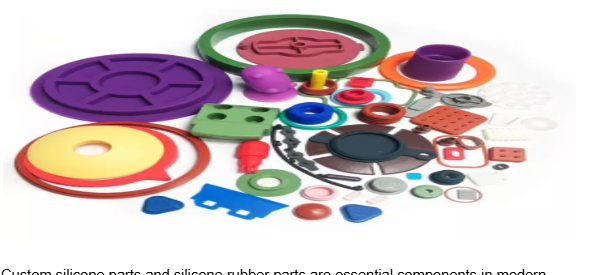

Custom silicone parts and silicone rubber parts are essential components in modern manufacturing. From automotive to healthcare, these versatile materials offer durability, flexibility, and resistance to extreme conditions, making them the preferred choice for a wide range of applications. Manufacturers today are increasingly turning to custom solutions to meet the specific demands of their industries.
1. What Are Custom Silicone Parts?
Custom silicone parts are tailored components made from high-quality silicone materials. Unlike standard silicone products, these parts are designed to meet unique specifications, including size, shape, hardness, and color. Businesses often require custom silicone parts for applications where precision and performance are critical.
2. The Advantages of Silicone Rubber Parts
Silicone rubber parts stand out due to their remarkable properties:
- Temperature Resistance: Silicone parts can withstand temperatures from -60°C to 230°C without losing integrity.
- Chemical Resistance: They resist oils, solvents, and harsh chemicals, ensuring long-term durability.
- Flexibility and Elasticity: Silicone rubber maintains flexibility even in extreme conditions, making it ideal for gaskets, seals, and other mechanical components.
- Longevity: High resistance to UV rays and ozone prevents cracking and deterioration over time.
These advantages make silicone rubber parts essential for industries such as automotive, electronics, medical devices, and food processing.
3. Industries Using Custom Silicone Parts
Custom silicone parts serve a wide range of industries:
- Automotive: Seals, gaskets, hoses, and vibration dampers.
- Medical: Tubing, seals, masks, and implants that require biocompatibility.
- Electronics: Insulation, protective covers, and flexible connectors.
- Food and Beverage: Silicone molds, tubing, and seals that meet FDA standards.
- Aerospace: High-performance components resistant to extreme temperatures and pressure.
These parts provide solutions where traditional materials fail, ensuring safety, reliability, and performance.
4. Types of Silicone Rubber Parts
Silicone rubber parts come in various forms, including:
- Sheets and Strips: Used for gaskets, seals, and protective layers.
- Tubing and Hoses: Flexible solutions for liquids, gases, and chemical transport.
- O-Rings and Gaskets: Essential for leak-proof seals in machinery and devices.
- Custom Molded Parts: Complex shapes tailored for specialized applications.
Selecting the right type depends on the application’s requirements for durability, flexibility, and resistance to environmental factors.
5. Manufacturing Process of Custom Silicone Parts
Custom silicone parts are manufactured using precise processes to ensure consistent quality. Key methods include:
- Injection Molding: High-volume production of complex parts with tight tolerances.
- Compression Molding: Ideal for thicker components and high-strength applications.
- Liquid Silicone Rubber (LSR) Molding: Perfect for flexible, highly detailed parts with superior surface finish.
- Extrusion: Produces continuous shapes such as tubing or strips efficiently.
Each method is chosen based on material properties, production volume, and part design.
6. Benefits of Custom Solutions
Choosing custom silicone parts offers numerous advantages:
- Tailored Fit: Components designed to exact dimensions reduce failures.
- Enhanced Performance: Optimized material properties for specific applications.
- Branding Opportunities: Custom colors and designs help distinguish your products.
- Cost-Effective: Reduces waste and maintenance costs by using durable materials.
These benefits make custom silicone parts a valuable investment for businesses seeking long-term efficiency.
7. Quality Standards and Compliance
Quality is critical when producing silicone rubber parts. Leading manufacturers adhere to strict standards, including:
- ISO 9001: Ensures consistent manufacturing processes.
- FDA Compliance: Necessary for food-grade and medical-grade silicone parts.
- RoHS Certification: Confirms parts are free from hazardous substances for electronics and automotive applications.
High-quality standards guarantee safe, reliable, and durable products for all industries.
8. Innovations in Silicone Rubber Technology
The silicone industry continuously evolves with innovations:
- High-Temperature Silicone: Withstands extreme heat without degradation.
- Transparent Silicone: Ideal for lighting and medical applications.
- Conductive Silicone: Used in electronics for flexible circuits and protective covers.
- Eco-Friendly Silicone: Recyclable and environmentally responsible materials.
These advancements expand the potential applications of silicone parts across industries.
9. Choosing the Right Silicone Manufacturer
Selecting a reliable manufacturer is crucial for consistent quality. Consider the following factors:
- Experience: Years of expertise in producing silicone parts for your industry.
- Capabilities: Range of molding processes, material options, and custom design support.
- Certifications: ISO, FDA, RoHS compliance for safety and reliability.
- Customer Support: Engineering and technical assistance for design optimization.
Partnering with the right manufacturer ensures superior products tailored to your needs.
10. Cost Considerations for Custom Silicone Parts
While custom silicone parts may have higher initial costs than standard components, they often save money in the long term:
- Durability reduces replacement costs.
- Precision fit minimizes machine downtime.
- Custom designs improve efficiency in assembly processes.
Investing in quality custom parts ensures better performance and reduced operational costs over time.
11. Future of Silicone Rubber Parts
The future of silicone rubber parts is promising, with trends including:
- Smart Silicone: Integration of sensors and electronics in flexible parts.
- Sustainable Production: Environmentally responsible materials and processes.
- Advanced Customization: Rapid prototyping and 3D printing of silicone components.
- Global Expansion: Increasing demand across healthcare, automotive, and consumer electronics.
These trends indicate that custom silicone parts will remain essential for innovation and industrial growth.
12. Conclusion
Custom silicone parts andsilicone rubber parts are indispensable in modern manufacturing. Their flexibility, durability, and resistance to extreme conditions make them ideal for industries ranging from medical devices to automotive. By choosing a reliable manufacturer and investing in quality custom solutions, businesses can enhance performance, reduce costs, and stay ahead in competitive markets.
Whether you need precision-molded O-rings, high-temperature gaskets, or FDA-compliant medical tubing, custom silicone parts provide the perfect combination of innovation, reliability, and versatility.


 By
By
 By
By


 By
By