

\Your mouth carries your story from baby teeth to dentures. Each stage needs steady protection. Preventive dentistry gives that protection before pain starts. You learn simple habits. You get cleanings. You fix small problems early, before they grow into infections or tooth loss. Children gain strong teeth and fewer missed school days. Teens avoid cavities that can haunt them for years. Adults keep their bite steady and their breath clean. Seniors keep chewing, speaking, and smiling with confidence. Every visit builds a shield against decay, gum disease, and medical problems tied to poor oral health. A dentist in Southwest Portland, OR can guide you through each step. You do not need perfect teeth to start. You only need a plan and support. This blog explains how prevention works for every age, what to expect at visits, and how small daily choices protect your smile for life.
Why prevention matters at every age
Tooth decay is common. It affects children, adults, and seniors. Yet it is also mostly preventable. Routine care does three things. It lowers pain. It lowers cost. It protects general health.
According to the Centers for Disease Control and Prevention, tooth decay affects many school-age children and almost all adults. The pattern is clear. Skipping care leads to cavities, infections, and tooth loss. Steady care cuts that risk.
Preventive dentistry focuses on three steps.
- Daily home care
- Routine checkups and cleanings
- Early treatment of small problems
These steps stay the same from toddler to senior. The details change with age. The goal stays simple. Keep teeth and gums strong so you can eat, speak, and live without oral pain.
Key preventive tools you can use
You and your dental team share the work. You handle daily care. Your team handles exams, cleanings, and early fixes.
- Brushing with fluoride toothpaste twice a day
- Cleaning between teeth once a day with floss or a small brush
- Using fluoride through toothpaste, water, or treatments in the office
- Getting sealants for back teeth in children and some teens
- Wearing a mouthguard for sports or teeth grinding
- Limiting sugary drinks and snacks
- Not using tobacco products
Preventive care from toddlers to teens
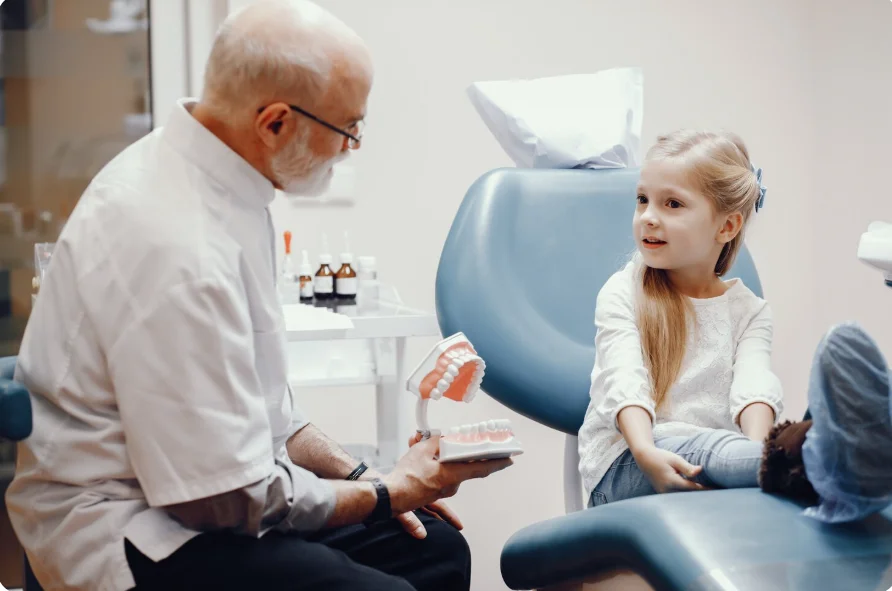
Young children need help with brushing and flossing. They also need regular visits once the first tooth appears or by the first birthday. These early visits teach you how to care for new teeth. They also help your child feel safe in the chair.
For toddlers and school-age children, prevention focuses on three points.
- Fluoride in water and toothpaste
- Dental sealants on back teeth to block decay
- Limiting juice and sticky snacks
Teens face new risks. Sports injuries, soda, energy drinks, and sometimes tobacco can damage teeth and gums. Regular visits help catch early decay, wisdom tooth problems, and signs of grinding or jaw strain.
Preventive care for adults
Adults often feel pulled between work, caregiving, and bills. Oral care falls down the list. That choice leads to cavities, gum disease, and lost teeth. Routine cleanings and exams catch trouble before it spreads.
For adults, prevention often includes these steps.
- Checkups and cleanings every six months or as advised
- Fluoride toothpaste for cavity control
- Screening for oral cancer
- Careful review of medicines that dry the mouth
- Night guards if you grind your teeth
Untreated gum disease links to heart disease and diabetes problems. Keeping your mouth healthy supports your whole body. That is not a small benefit. It protects your work life, your budget, and your peace of mind.
Preventive care for seniors
Seniors may face dry mouth, weaker grip, memory changes, and complex medicine plans. Each factor can raise decay and infection risk. Regular dental visits matter even with dentures or a few teeth.
Prevention for seniors often includes three focus points.
- Managing dry mouth and its impact on decay
- Checking dentures or implants for fit and cleaning
- Screening for oral cancer and infections
Caregivers may need training to help with brushing or denture care. A clear plan protects comfort and keeps eating pleasant. That support can prevent weight loss and illness.
How prevention saves time, pain, and money
Preventive visits feel small. They may take one hour twice a year. Yet they often stop serious problems that would demand many visits and a higher cost. The table shows how early care compares to delayed care.
| Condition | With preventive care | With delayed care |
|---|---|---|
| Small cavity | Simple filling. One short visit. Lower cost. | Root canal or extraction. Several visits. Higher cost. |
| Early gum disease | Deep cleaning and home care. Stable gums. | Tooth loss. Pain. Possible surgery. |
| Chipped tooth | Smooth or small repair. Protected tooth. | Crack spreads. Infection. Crown or loss. |
| Dry mouth | Adjusted medicines and fluoride. Fewer cavities. | Rapid decay. Broken teeth. Dentures or implants. |
You cannot control every problem. You can lower the odds. You can shorten treatment. You can keep more natural teeth for life.
What to expect at a preventive visit
Each office has its own routine. Most preventive visits include three parts.
- Review of your health history, medicines, and daily habits
- Cleaning to remove plaque and tartar that brushing misses
- Exam by the dentist with possible X-rays when needed
You can ask questions about brushing, flossing, diet, and any pain or worry. Children can ask about new teeth and what happens at future visits. Seniors and caregivers can ask about dry mouth, dentures, and safe products.
Simple steps you can start today
You do not need a full plan to start. You can take three small steps today.
- Brush for two minutes twice today with fluoride toothpaste
- Clean between teeth once today
- Call and schedule a checkup for yourself or your child
Each step builds control. Each visit builds trust. Over time, preventive care becomes routine. That routine guards your story from toddler teeth to senior smiles.

 By
By

 By
By
 By
By