
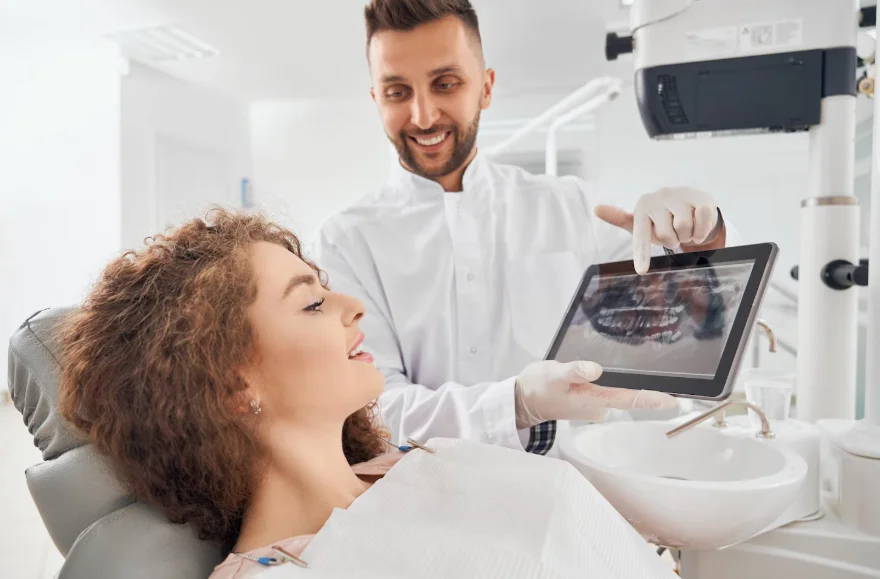

Digital tools now shape almost every part of your dental visit. You see it when a camera scans your teeth in seconds. You feel it when a new crown fits the first time. You notice it when your smile plan appears on a screen before any work starts. Today a cosmetic dentist in Boston MA can use 3D imaging, clear digital photos, and computer design to plan care that fits your mouth and your daily life. This shift reduces guesswork. It also shortens visits and lowers the chance of repeat work. You gain clearer choices and a stronger voice in each step. This blog explains how digital technology changes implants, smile design, and routine cosmetic care, and how you can use that change to protect your time, money, and comfort.
From Molds And Guesswork To Scans And Clear Plans
In the past, you had sticky molds, long waits, and rough trial and error. Today your visit starts with small digital tools that record your mouth in clear detail.
You now see:
- Small intraoral cameras that move across your teeth
- 3D scanners that build a full model of your bite
- Digital X-rays that use less radiation and show sharp images
The National Institute of Dental and Craniofacial Research explains that early tooth damage is common. Still, it is often hidden. Digital images help your dentist find small cracks, worn spots, or early decay before you feel pain. This leads to smaller repairs and less cost over time.
How Digital Tech Changes Dental Implants
Implants replace missing teeth with strong posts and crowns. Digital tools now shape each step. You get a safer plan and faster healing.
Key changes include:
- 3D cone beam scans. These scans show bone, nerves, and sinus spaces in three dimensions.
- Guided surgery. Your dentist uses computer plans to place the implant in the right spot.
- Digital crowns. A scan replaces messy molds and sends exact data to a lab or in-office mill.
This process cuts down on surprises during surgery. It also reduces the risk that an implant will press on a nerve or sit in weak bone. You gain a stronger tooth and more trust in the plan.
Digital Smile Design And Cosmetic Planning
Cosmetic care now starts on a screen. Your dentist can blend photos, scans, and simple software to show how your teeth could look after treatment.
Digital smile design often uses three steps.
- High resolution photos of your face and smile
- 3D scans of your teeth and gums
- Software that shapes mock-ups of veneers, bonding, or reshaped gums
You see possible changes before any tooth is trimmed. You can ask for shorter teeth, longer teeth, or a softer curve. You can match the plan to how you talk, smile, or play sports. The process gives you control. It also helps your dentist avoid over treatment.
Same Day Crowns And Faster Restorations
Digital design and milling now allow many crowns and small bridges in one visit. After a scan, your dentist designs the tooth on a screen. Then a small mill carves the crown from a solid block.
You often leave with a final crown the same day. You avoid a second shot, a second day off from work, and the risk of a lost temporary. This supports family schedules and cuts stress.
Clear Aligners And Digital Orthodontics
Clear aligners also depend on digital tech. Your dentist scans your teeth and sends a 3D model to the aligner maker. A full series of trays is planned from start to finish.
You then see:
- A digital movie of how your teeth should move
- A clear end date if you wear the trays as directed
- Fewer in person checks for simple cases
This helps teens and adults who juggle school, work, and family care. The treatment blends into daily life.
Digital Tools That Support Family Care
Digital records help your whole family. Your dentist can store photos and scans for each child and each parent. Over time your dentist can compare images and spot changes early.
The Centers for Disease Control and Prevention notes that early care lowers tooth loss and pain. Digital tools make early care easier. Children may feel less fear with quick scans instead of large X-ray plates or thick molds. Older adults gain from clear plans for dentures, implants, or mixed care.
Comparing Traditional And Digital Dental Care
| Step | Traditional Method | Digital Method | Impact On You |
|---|---|---|---|
| Impressions | Thick trays and putty | Quick 3D scan | Less gagging and shorter visits |
| X rays | Film on small cards | Digital sensors | Lower radiation and instant images |
| Crown Making | Lab work in many days | On screen design and in-office milling | Fewer visits and fewer injections |
| Implant Planning | Flat x rays and guesswork | 3D scans and guided surgery | More precise placement and safer healing |
| Smile Planning | Verbal description only | Digital mock ups and previews | Clear choices and stronger consent |
| Record Keeping | Paper charts and film folders | Digital files and photos | Easier tracking of changes over years |
Questions To Ask Your Dentist About Digital Options
You protect your mouth best when you ask clear questions. During your next visit, you can ask:
- Do you use digital x rays or 3D scans for implants or complex work
- Can I see pictures of my teeth and gums while you explain the plan
- Are same-day crowns or digital impressions an option for my case?
- How do you store and protect my digital dental records
These questions show that you value clear data and safe planning. They also help your dentist tailor care to your needs and your comfort level.
Taking Your Next Step With Confidence
Digital technology will not replace a careful dentist. It gives the dentist better eyes and steadier hands. When you understand the tools in use, you can take part in every choice. You can ask for clear images, written plans, and timelines. You can weigh cost against comfort and time.
Your smile carries you through work, school, and family life. Digital tools now give you a sharper view of that smile and stronger control over how it changes. Use that power. Ask for clarity. Then move forward with calm, informed steps.


 By
By
 By
By

 By
By