
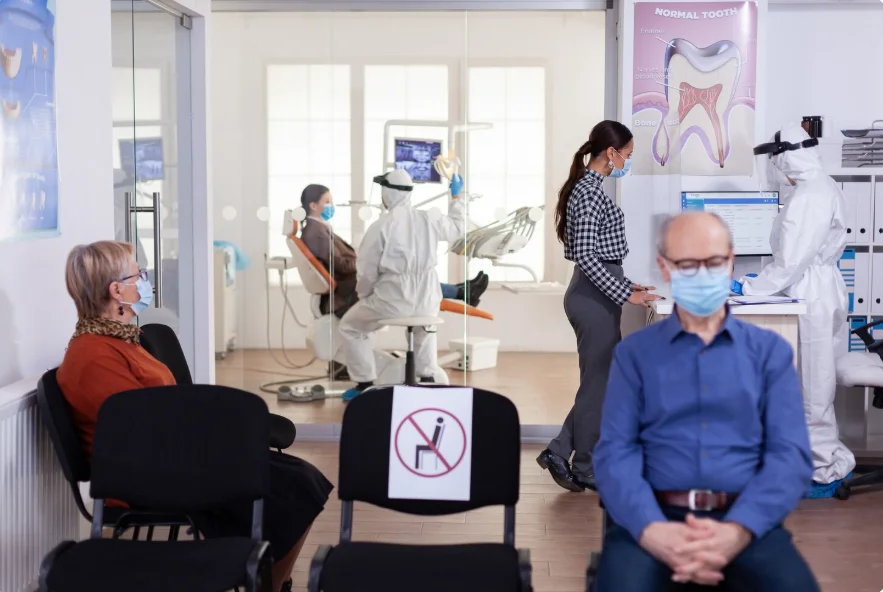

Your mouth affects your whole body more than you may notice. Regular oral health screenings protect more than your smile. They help you catch silent problems early, avoid pain, and save money on urgent care. Children need screenings to guide growing teeth. Teens need them to prevent damage from sugar and sports. Adults need them to control gum disease and tooth loss. Older adults need them to protect chewing, speech, and daily comfort. Every age brings new risks. Regular screenings help you face each one with simple steps, not crisis care. A trusted family dentist in Hesperia, CA can spot small changes before they turn into serious trouble. That quick exam can reveal decay, infection, grinding, and even signs of disease in other parts of your body. This blog explains how steady checkups support you at every stage of life and help you keep control of your health.
Why regular screenings matter for your whole body
Oral screenings do more than count teeth. They give you an early warning system for disease. That includes disease in your gums, bone, and sometimes in other organs.
During a screening, your dentist or hygienist checks your
- Teeth for decay and cracks
- Gums for swelling, bleeding, and recession
- Tongue, cheeks, and lips for spots or sores
- Jaw for clicking, pain, or grinding wear
Research links poor oral health to heart disease, diabetes, and pregnancy problems. Regular screenings lower these risks because you treat infection and inflammation early, before they spread or grow.
How often you need screenings at each age?
Every person is different. Still, most people should have a screening about every six months. Some need visits more often. The table below shows common guidance.
| Age group | Typical screening schedule | Main goals |
|---|---|---|
| Babies and toddlers (0 to 3) | First visit by age 1. Then every 6 to 12 months | Watch early tooth growth. Guide parents on cleaning and diet |
| Children (4 to 12) | Every 6 months | Catch cavities. Track jaw growth. Support brushing habits |
| Teens (13 to 19) | Every 6 months. Sometimes more often with braces | Limit decay. Protect from sports injuries. Check wisdom teeth |
| Adults (20 to 64) | Every 6 months. High-risk adults every 3 to 4 months | Control gum disease. Prevent tooth loss. Screen for oral cancer |
| Older adults (65 and older) | Every 3 to 6 months based on health and medications | Protect chewing and speech. Manage dry mouth. Keep dentures fitting |
The American Dental Association explains that regular exams and cleanings help prevent many problems. You can review their guidance at the MouthHealthy site from the ADA.
Benefits for babies and young children
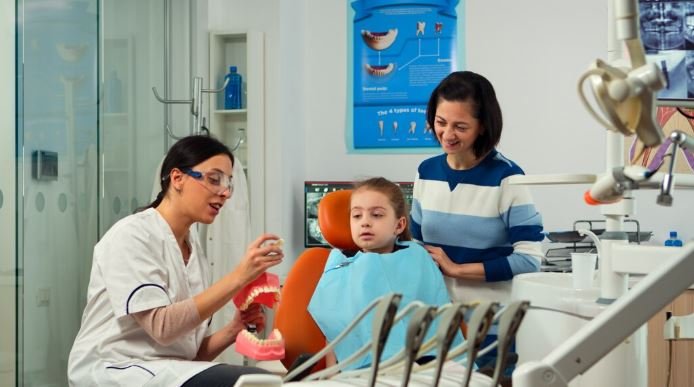
Early visits shape how your child feels about dental care. Calm, steady visits build trust and lower fear.
Screenings help you
- Spot early childhood decay before teeth break or hurt
- Learn how to clean tiny teeth and gums at home
- Choose snacks and drinks that protect enamel
Early care also helps guide jaw growth. If the dentist sees crowding or bite problems, you can plan treatment before they get hard to correct.
Benefits for teens
Teens face new pressures. Sugar drinks, late nights, and sports hits can damage teeth fast.
Regular screenings support teens by
- Finding decay around braces and between teeth
- Checking for damage from grinding during stress
- Reviewing mouthguard use for contact sports
- Watching wisdom teeth for infection or crowding
These visits also give space to talk about tobacco and vaping. Both raise the risk of gum disease and oral cancer. Honest talks in the chair can lead to safer choices.
Benefits for adults
For many adults, gum disease grows without pain. You may see a little blood when you brush and ignore it. That small sign can point to deeper infection.
Screenings help you
- Catch gum disease before bone loss starts
- Find tiny cracks or worn fillings before they break
- Spot early oral cancer when treatment works best
Untreated gum disease is linked to higher blood sugar, heart strain, and poor pregnancy outcomes. Early treatment keeps your mouth calmer and supports your general health.
Benefits for older adults
With age, teeth and gums face long years of use. Medications can cause dry mouth. That raises cavity risk and makes chewing hard.
Regular screenings help older adults
- Manage dry mouth and protect remaining teeth
- Keep dentures, bridges, and implants clean and snug
- Detect sores or color changes that may signal cancer
Good oral health supports clear speech and steady eating. That helps maintain nutrition and social contact, which protect mood and strength.
What to expect during a screening
A standard oral health screening is simple and quick. It usually includes
- Review of your health history and medications
- Visual exam of teeth, gums, tongue, cheeks, and throat
- Gum measurements to check for pockets of infection
- X rays when needed to see between teeth and under fillings
- Discussion of brushing, flossing, and fluoride use
You can bring a list of questions. You can also share any pain, bleeding, or changes you notice at home. Honest talk helps the dentist shape a plan that fits your life.
Taking the next step
Skipping screenings often leads to rushed visits later, when you hurt and feel scared. Steady checkups keep problems small and care simple. You protect your comfort, your budget, and your health.
Choose a regular dentist. Book visits for every person in your home. Treat those visits like any other health check. Your mouth will stay stronger. Your body will thank you with more energy for the people and moments that matter most.


 By
By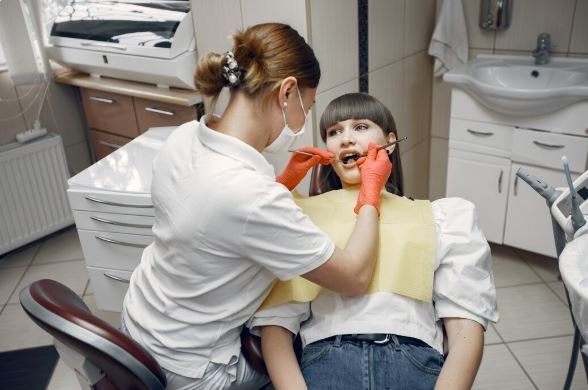

 By
By