
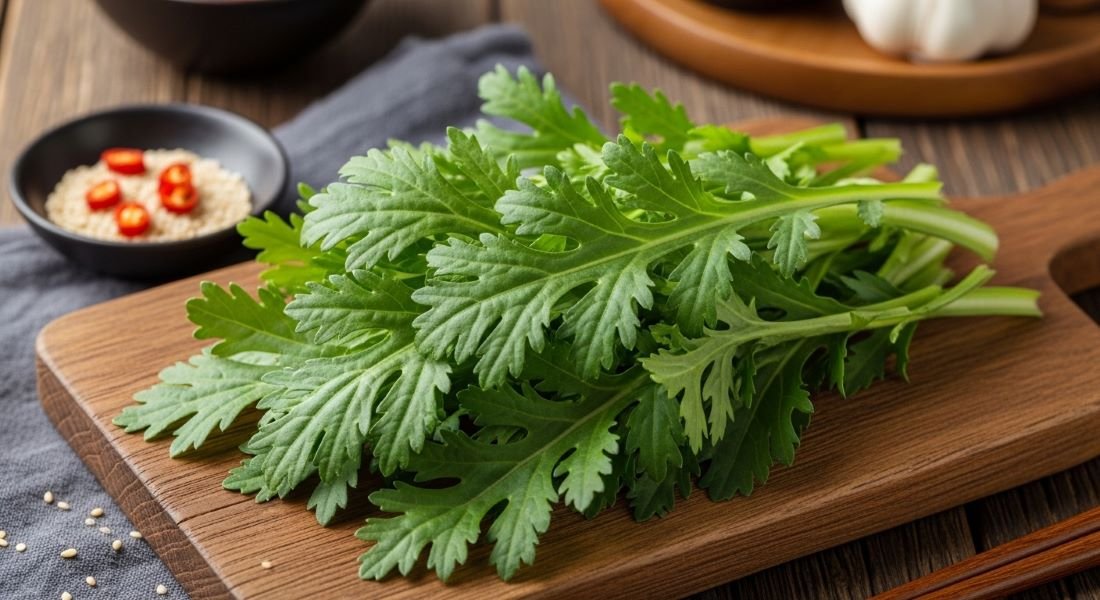

Is Tonghou the “hidden gem” of the culinary world or just another bitter green? Most people mistake this term for a destination but in reality it is a nutritional powerhouse that has defined Asian longevity and gourmet flavor for centuries. If you aren’t cooking it yet you are missing out on a unique “peppery floral” experience that spinach simply cannot replicate.
This guide shatters common myths and dives deep into the authentic world of Garland Chrysanthemum. From secret 5 minute stir fry techniques to science backed heart benefits we reveal why this specific green is a staple in high end Asian kitchens.
Stop settling for generic recipes. Read on to master the art of selecting cooking and healing with Tonghou ensuring your next meal is both a cultural masterpiece and a superfood boost.
The Flavor Profile: What Does Tonghou Taste Like?
Describing the taste of Tonghou is often a challenge because it occupies a unique space on the palate. Unlike the mild sweetness of spinach or the earthy bitterness of kale, Tonghou offers a multi-layered sensory experience.
The Herbal Aroma
The first thing you notice is the scent. It possesses a floral almost pine like fragrance that hints at its relationship to the chrysanthemum flower.
The Peppery Bite
On the tongue Tonghou delivers a sophisticated peppery note similar to arugula but with a more “oriental” herbal finish.
The Balance of Bitterness
There is a slight bitterness particularly in older plants which is often sought after in Asian cuisine to balance out fatty meats or rich broths.
The Texture
One of its most prized qualities is its crunch. Even after a quick blanch or a high heat stir fry the stems maintain a satisfying “snap” while the delicate fronds melt in your mouth.
Must Try Tonghou Dishes: From Stir Fries to Soups
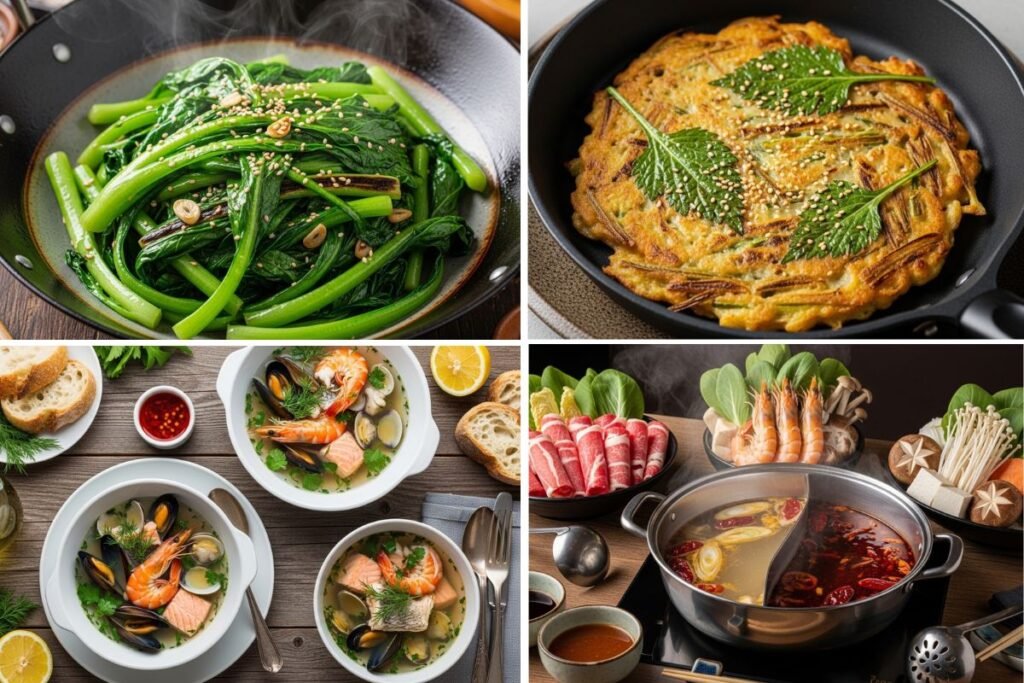
To truly appreciate the versatility of this green one must look at how it is integrated into traditional meals. Here are the authentic ways to enjoy Tonghou:
The Classic Garlic Stir Fry (Qingchao Tonghou)
Ingredients
- 2 cups fresh tonghou (washed and chopped)
- 2–3 cloves garlic finely sliced
- 1–2 tbsp cooking oil
- ½ tsp salt (adjust to taste)
- A pinch of white pepper (optional)
- 1–2 tbsp water or light vegetable stock
Instructions
- Heat oil in a wok or frying pan over medium high heat.
- Add sliced garlic and stir fry for about 20–30 seconds until fragrant (do not brown).
- Add the tonghou and stir quickly to coat with oil and garlic.
- Sprinkle salt and add a small splash of water or stock to help the greens cook evenly.
- Stir fry for 2–3 minutes until the leaves are tender but still bright green.
- Finish with a pinch of white pepper, toss once more and serve hot.
Tip: Keep the cooking time short to preserve the texture, color and nutrients of the greens.
The Hot Pot Essential
Ingredients
- 1 bunch Tonghou (or any hot pot greens) washed
- 2 cups hot pot broth (chicken vegetable or spicy broth)
- 2 cloves garlic minced
- 1 tbsp soy sauce
- 1 tsp sesame oil
Instructions
- Bring the hot pot broth to a gentle boil.
- Add minced garlic and soy sauce to enhance flavor.
- Place the Tonghou leaves into the simmering broth and cook for 30–60 seconds until just wilted.
- Drizzle with sesame oil and serve immediately as part of your hot pot spread.
Seafood and Fish Soup Pairings
Ingredients
- 300 g mixed seafood (fish chunks shrimp or mussels)
- 1 tablespoon olive oil
- 2 cloves garlic (minced)
- 1 small onion (chopped)
- 2 tomatoes (chopped) or 1 cup tomato puree
- 3 cups fish or vegetable broth
- Salt and black pepper to taste
- Fresh herbs (parsley or cilantro)
- Lemon wedges for serving
Instructions
- Heat olive oil in a pot and sauté onion and garlic until fragrant.
- Add tomatoes and cook for 3–4 minutes until softened.
- Pour in the broth and bring to a gentle boil.
- Add fish and seafood then simmer for 8–10 minutes until cooked through.
- Season with salt pepper and fresh herbs. Serve hot with a squeeze of lemon.
Pairing Ideas
- Crusty bread or garlic toast
- Light green salad
- Steamed rice or herbed quinoa
Korean Ssukgat Jeon (Pancake)
Ssukgat Jeon (쑥갓전) is a light savory Korean pancake made with edible chrysanthemum greens. It’s crispy outside, soft inside and perfect as a side dish or snack.
Ingredients
- 1 bunch ssukgat (chrysanthemum greens) washed
- ½ cup all purpose flour
- 2–3 tbsp rice flour (optional for extra crispiness)
- ½ tsp salt
- ½ cup cold water (adjust as needed)
- 1 egg (optional for richer texture)
- 2–3 tbsp vegetable oil (for frying)
Instructions
- Prepare Greens: Trim tough stems and pat the ssukgat dry.
- Make Batter: In a bowl mix flour rice flour salt egg (if using) and water until smooth but slightly thick.
- Combine: Gently fold the greens into the batter so they are lightly coated.
- Pan Fry: Heat oil in a non-stick pan over medium heat. Spread the mixture thinly into a pancake shape.
- Cook: Fry 2–3 minutes per side until golden brown and crispy.
- Serve: Slice and serve hot with soy sauce mixed with a splash of vinegar and chili flakes.
Tip: Keep the pancake thin for extra crisp edges and better flavor balance.
Nutritional Excellence: Why It’s a Modern Superfood!
Beyond its flavor Tonghou is highly nutritious and easy to add to a balanced diet. It is rich in potassium which helps regulate blood pressure and support heart health. It also provides Vitamin A for vision and immunity and Vitamin K for bone strength and proper blood clotting.
Tonghou contains antioxidants such as chlorogenic acid which may help regulate blood sugar and support metabolic health. Like many leafy greens it also supplies dietary fiber promoting healthy digestion and gut function.
Cultural Significance: More Than Just a Green
In Asian cultures food is medicine and Tonghou is a prime example. In Traditional Chinese Medicine (TCM) Tonghou is classified as a “cooling” food. It is believed to clear “heat” from the body, soothe the lungs and calm the mind.
In Japan the arrival of Shungiku in the markets is a signal of the changing seasons. It represents a connection to the earth and a respect for ingredients that are seasonal and fresh. .
Pro Tips for Cooking the Perfect Tonghou
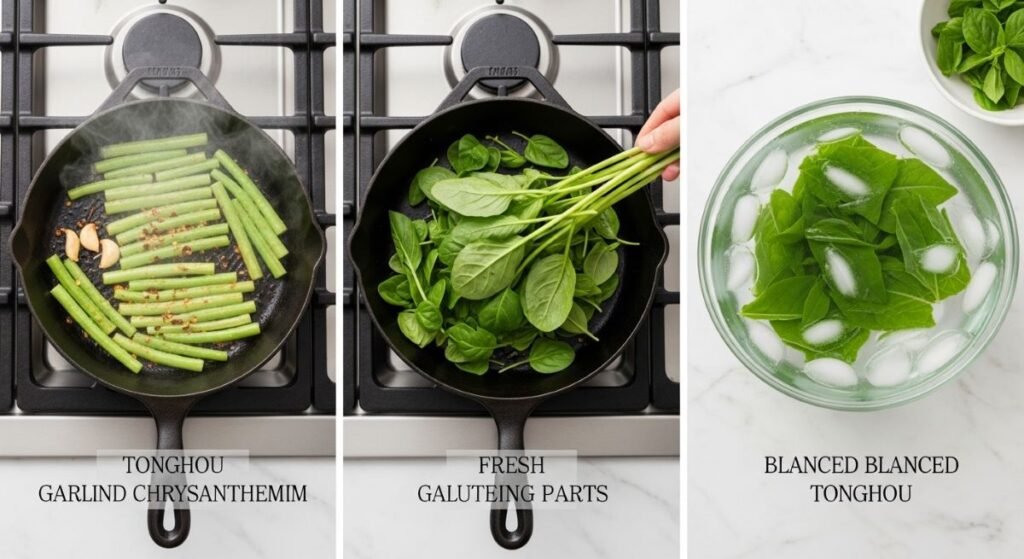
Achieving the perfect Tonghou dish requires a delicate touch. Follow these professional tips:
- The 60 Second Rule: Tonghou cooks very quickly. Boil or stir fry the leaves for no more than about 60 seconds to avoid mushiness and excessive bitterness.
- Separate the Stems: Since stems are thicker sauté them for about 30 seconds first then add the leaves briefly.
- Cold Shock Method: For salads or cold dishes, blanch Tonghou for about 10 seconds then transfer it to ice water to keep its bright color and crisp texture.
Selection and Storage: Keeping the Freshness Alive!
To get the most out of your “Culinary Journey” you must start with the best product.
- How to Select: Choose bundles with small tender leaves. Avoid plants with yellow flowers as the leaves may be tough and bitter. Stems should be firm and snap easily.
- Storage Tip: Don’t wash before storing. Wrap the unwashed greens in a dry paper towel, place them in a perforated plastic bag and keep them in the fridge crisper. They can stay fresh for up to 5 days.
Conclusion
As we have explored, Tonghou is far more than just another leafy green in the produce aisle. It is a vegetable with a soul, a plant that carries the history of ancient cuisines and the promise of modern health benefits.
By choosing fresh stalks, cooking them with respect and understanding their cultural roots you can turn a simple meal into a sophisticated journey of flavor. It is time to move beyond the generic and embrace the “Secret Superfood” of Asia.
FAQs
What is the English name for the Tonghou vegetable?
Tonghou is most commonly known as Garland Chrysanthemum or Edible Chrysanthemum, though some regions also refer to it as “Crown Daisy.”
Can you eat the stems of the Tonghou plant?
Yes, the stems are completely edible and highly prized for their crunchy texture; simply trim the bottom inch if they feel woody or tough.
Is Tonghou the same as the ornamental chrysanthemum flowers?
No, while they are related, Tonghou specifically refers to the Glebionis coronaria species, which is cultivated for its flavorful leaves rather than decorative blooms.

 By
By
 By
By

 By
By