
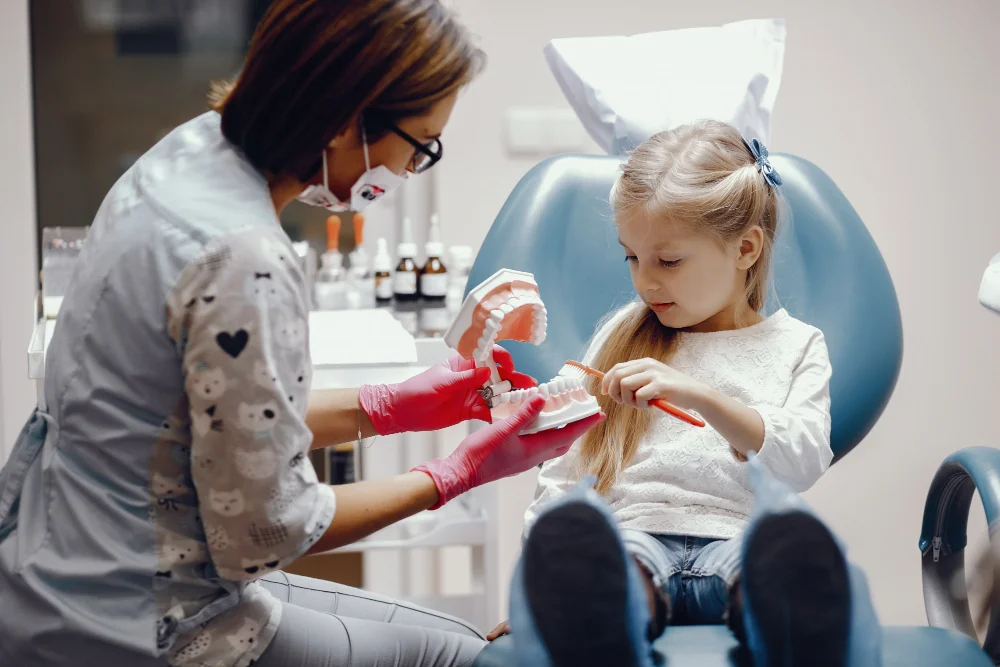

Your child’s mouth affects the whole body. Teeth, gums, breathing, sleep, growth, and even mood all connect. Early dental care is not only about avoiding cavities. It supports speech, focus in school, and strong eating habits. It also protects self‑confidence. Pain in the mouth can cause poor sleep and trouble learning. Small infections can spread and may lead to serious illness. Regular visits with a Modesto kids dentist help catch problems early. You gain clear guidance on brushing, diet, and injury prevention. Your child gains trust in healthcare and learns that care is normal, not scary. Strong baby teeth guide adult teeth into healthy positions. They also support jaw growth and proper breathing. When you protect your child’s smile, you protect the heart, brain, and body. This blog explains how simple dental habits support lifelong health.
Why baby teeth matter more than you think
Many people see baby teeth as temporary. That belief causes harm. Baby teeth hold space for adult teeth. They guide where each tooth will grow. When a baby tooth is lost early from decay, nearby teeth move. Later crowding can cause pain and costly treatment.
Baby teeth also shape speech. Missing or damaged teeth can make some sounds hard to form. That can affect clear speech in class. Eating also suffers. A child with tooth pain often avoids healthy foods. Chewing becomes weak. Growth can slow.
The Centers for Disease Control and Prevention explains that untreated cavities cause pain and infections that affect eating, speaking, and learning.
How oral health affects the whole body
The mouth is a doorway into the body. Germs from untreated tooth decay or gum infection can enter the blood. That can strain the immune system. In some cases, it can cause serious illness.
There are three key links between the mouth and body.
- Pain and sleep
- Nutrition and growth
- Inflammation and infection
Tooth pain often grows worse at night. A child may wake often. Poor sleep affects mood and behavior. It also affects learning. Tired children struggle to focus. They may seem angry or withdrawn.
Next, chewing problems change what a child eats. Soft snack foods are easy to chew but often contain high sugar. That pattern feeds more decay. It also weakens bones and muscles.
Finally, chronic gum swelling keeps the immune system on alert. The body stays in a low state of stress. Over time that can affect heart health and blood sugar control.
Dental health and school performance
Mouth pain pulls attention away from learning. A child with a toothache may miss school. Even when present, the child may not focus. Reading, writing, and play all suffer.
Research shows that children with poor oral health miss more school days and receive lower grades compared with peers who receive regular care. You can see a summary of these links in this simple table.
| Oral health factor | Common result at school | Possible long term effect |
|---|---|---|
| Untreated cavities | Frequent absences | Lower test scores |
| Tooth pain at night | Poor focus in class | Ongoing learning gaps |
| Missing or broken front teeth | Shame and quiet behavior | Low confidence with peers |
| Fear of the dentist | Avoided care | Serious infections later |
Early and steady dental visits limit these problems. You give your child a fair chance to learn without constant pain or shame.
Breathing, jaw growth, and sleep
Healthy teeth and jaws affect how your child breathes. Crowded teeth, a narrow upper jaw, or mouth breathing can point to sleep problems. Some children grind their teeth at night. Others snore or breathe through the mouth with an open lip posture.
Over time, poor breathing during sleep can affect growth, behavior, and heart health. Some children labeled as hyperactive or defiant are simply exhausted. Their brains fight for oxygen at night. A trained pediatric dentist can spot early signs in the mouth and face. That awareness can lead to help from medical providers.
Prevention at home
You can protect your child’s mouth with a few daily steps. These steps are simple. They do require steady effort.
- Brush teeth two times each day with fluoride toothpaste
- Help your child brush until at least age eight
- Limit sugary drinks to rare treats
- Offer water between meals
- Serve crisp fruits and vegetables that need chewing
- Use a mouthguard for sports
The American Academy of Pediatric Dentistry and the American Dental Association suggest that children visit a dentist by their first birthday. Then they should return at regular intervals.
What to expect from a Modesto kids dentist visit
A visit with a pediatric dentist should feel calm and clear. The team focuses on your child’s sense of safety. The first visits often include three parts.
- A gentle exam of teeth, gums, and bite
- Cleaning and fluoride treatment if needed
- Guidance for you on brushing, flossing, and diet
The dentist also checks jaw growth, breathing patterns, and speech concerns. Early findings lead to simple steps. That might include sealants on back teeth, changes in snack habits, or a referral to another health professional.
Building lifelong health habits
Every visit shapes how your child views health. When you treat dental visits as routine, your child learns that care is normal. That belief can extend to medical care, vision care, and mental health support.
You also show that the body deserves protection. You send a clear message. Pain is not something a child must “tough out”. Help is available. That message can prevent silent suffering in many parts of life.
Strong oral health supports clear speech, steady sleep, focused learning, and steady growth. It protects the heart, brain, and social life. When you care for your child’s teeth today, you shape the health of the adult they will become.


 By
By


 By
By