
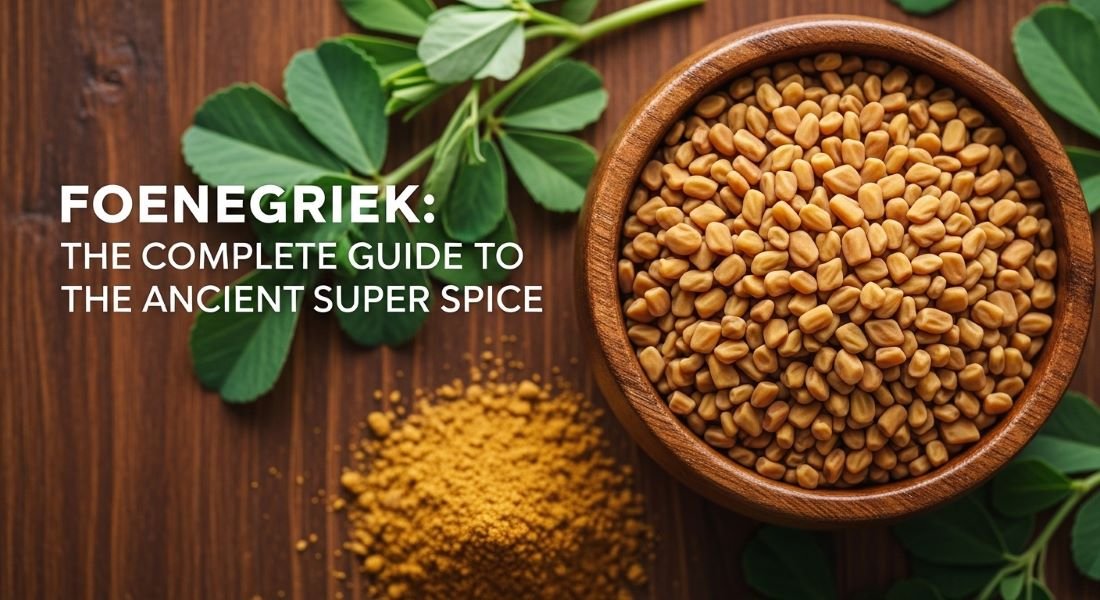

Foenegriek also known as fenugreek is one of those herbs that quietly does a lot for your body while you barely notice it in the kitchen. It’s a small seed with a surprisingly big personality nutritionally dense historically revered and scientifically interesting.
Foenegriek is no longer just a “dusty” ingredient in the back of the pantry; in 2026 it has emerged as a cornerstone of metabolic health and natural aesthetics. This ancient legume contains unique compounds like 4 hydroxyisoleucine and Sotolon that regulate blood sugar and stimulate cellular repair in ways synthetic alternatives struggle to match.
Whether you want to stabilize blood sugar support hair growth or add depth to your cooking understanding this herb can make a real difference.
What is Foenegriek (Fenugreek)?
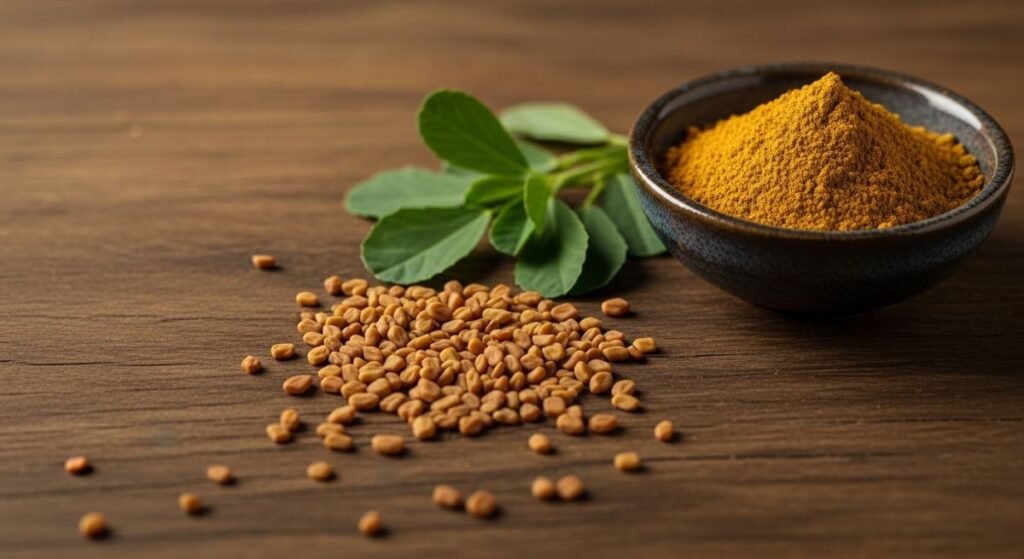
Foenegriek is an annual herb native to the Mediterranean region Asia and the Middle East. It belongs to the legume family and both its seeds and leaves are edible.
- Seeds: Used as a spice tea or supplement
- Leaves (Methi): Used fresh or dried in cooking
It has been used in Ayurveda traditional Chinese medicine and Middle Eastern remedies for thousands of years.
Nutritional Value of Foenegriek
Foenegriek seeds are rich in nutrients and plant compounds that support overall health.
Key Nutrients:
- Fiber (especially galactomannan)
- Protein
- Iron
- Magnesium
- Vitamin B6
Active Compounds:
- Saponins (support cholesterol balance)
- Diosgenin (linked to hormone health)
- Trigonelline (supports blood sugar regulation)
These compounds make foenegriek both a food and a natural wellness ingredient.
Top 10 Health Benefits of Foenegriek
Foenegriek has been studied for its effects across metabolism hormones heart health and more. Here’s what you can expect from regular mindful use:
Boosts Immunity
Rich in antioxidants it helps the body combat oxidative stress and supports immune resilience.
Supports Blood Sugar Control
The fiber slows down carbohydrate absorption reducing sudden sugar spikes. For people managing type 2 diabetes this effect can be noticeable when consumed consistently.
Improves Digestion
The soluble fiber forms a gentle gel in your gut easing constipation and bloating. It also helps regulate bowel movements naturally.
Boosts Heart Health
Saponins in Foenegriek can help reduce LDL cholesterol and triglycerides supporting better heart function over time.
Aids Weight Management
The fiber expands in your stomach promoting fullness and helping curb overeating without feeling deprived.
Supports Lactation in Breastfeeding Mothers
Known as a natural galactagogue Foenegriek can help increase milk production when consumed in moderation.
Balances Hormones
Diosgenin and other plant compounds may support estrogen regulation in women and testosterone levels in men aiding overall hormonal balance.
Reduces Inflammation
Anti inflammatory compounds help soothe minor aches and support joint and muscle health.
Enhances Skin and Hair Health
Its antioxidants and proteins strengthen hair follicles reduce dandruff and can be applied topically for a natural glow.
Supports Liver Function
Foenegriek may assist detoxification processes and reduce fat accumulation in the liver.
How to Use Foenegriek?
Foenegriek can be incorporated into your routine in several ways:
- Seeds – Lightly roast them for cooking grind for smoothies or soak overnight for tea.
- Powder – Perfect for soups curries and baked goods.
- Leaves – Fresh or dried they add a nutty flavor to vegetable dishes.
- Tea or Infusions – Steep soaked seeds in hot water for a simple herbal drink.
Pro tip: Pairing Foenegriek with a small amount of fat like coconut oil or ghee improves absorption of its fat soluble compounds. Toasting the seeds lightly also reduces anti nutrients and enhances flavor.
Foenegriek Leaves vs Seeds
| Feature | Seeds | Leaves |
| Taste | Bitter nutty | Mild slightly bitter |
| Use | Spice tea supplement | Cooking |
| Benefits | Strong medicinal effects | Nutritional support |
Both forms are beneficial and can be used depending on your needs.
Foenegriek Recommended Dosage
- Seeds: 1–2 teaspoons daily
- Powder: 500–1000 mg per day
- Tea: 1 cup daily
Start with small amounts and increase gradually.
Precautions and Who Should Be Careful

Despite being generally safe foenegriek has strong effects:
- Pregnancy: Avoid high doses. It may stimulate uterine contractions.
- Blood Sugar: People on insulin or Metformin should monitor closely.
- Allergies: If you’re allergic to other legumes like peanuts or chickpeas start small.
Most people can enjoy it without issue especially when introduced gradually.
Advanced Science Behind Foenegriek
Beyond general benefits Foenegriek is a fascinating plant at a molecular level. Its compounds interact with the endocrine system digestive enzymes and even the skin and hair structure.
- 4 Hydroxyisoleucine enhances insulin secretion in response to high blood sugar.
- Sotolon contributes not just to aroma but may also signal the presence of bioactive volatiles in the body.
- Diosgenin is a precursor to steroidal compounds that support natural hormonal balance.
Bioavailability Tip
Many of its active compounds are better absorbed when consumed with healthy fats like olive oil or coconut oil.
Anti Bitterness Technique
Lightly toasting the seeds reduces bitterness and enhances flavor.
Foenegriek for Hair & Beauty Application
For hair health you can create a simple foenegriek paste:
- Soak three tablespoons of seeds overnight.
- Grind them into a smooth paste.
- Massage into your scalp for 30 minutes.
It’s not a miracle cure but the proteins and nicotinic acid can help strengthen follicles and reduce scalp dryness over time.
Conclusion
Foenegriek is not a gimmick. It’s a plant that blends culinary tradition historical significance and modern science. It can enhance meals support metabolism and even assist with hair and skin health.
Start small explore how it fits into your cooking and wellness routine and you’ll see why this little seed has earned its spot as a modern superfood.
It’s flavorful it’s versatile and it’s quietly remarkable. Sometimes the smallest ingredients have the biggest stories.
FAQs
Does Foenegriek interact with common medications like Metformin?
It may significantly lower blood sugar potentially causing hypoglycemia when combined with diabetic drugs. Consult a doctor to adjust dosages if incorporating concentrated supplements into your routine.
Why does my body odor change after consuming Foenegriek?
The aromatic compound Sotolon is heat stable and excreted through sweat creating a distinct maple syrup scent. This is harmless and typically fades within 24 hours of stopping high dose consumption.
Is Foenegriek the same as Fennel or Cumin seeds?
No they are biologically distinct; Fennel tastes like licorice while Cumin is smoky and earthy. Foenegriek is a legume with a bittersweet maple like profile and unique metabolic properties.
Can Foenegriek help break a weight loss plateau?
Its high galactomannan fiber content increases satiety and slows digestion helping to curb overeating. By stabilizing insulin it also helps the body transition more efficiently into fat burning modes.

 By
By



 By
By