

Your family’s health starts in the mouth. Teeth and gums affect how you eat, sleep, speak, and interact with others. When you ignore small dental problems, they grow into pain, infection, and high costs. Preventive dentistry stops that chain reaction. Regular cleanings, simple checkups, and early X-rays keep disease from spreading. They also protect your heart, lungs, and blood sugar. Children who learn good dental habits avoid fear, shame, and missed school days. Adults who stay on track avoid emergency visits and lost work. Every visit gives you a chance to catch silent warning signs. A Coral Springs dentist can spot tiny changes long before you feel pain. That quick action protects your whole household. You do not need perfect teeth. You only need steady care, honest guidance, and a clear plan to stay ahead of problems.
How Your Mouth Connects To Your Whole Body
Your mouth is not separate from the rest of your body. Germs in the mouth move into your blood. Then they affect the heart, lungs, and other organs.
Research from the Centers for Disease Control and Prevention links gum disease with heart disease, stroke, and diabetes problems. Swollen gums bleed. That blood carries germs. Those germs strain your heart and damage blood vessels.
Poor oral health also affects breathing. Tooth and gum infections can spread into the sinuses or lungs. Children with untreated cavities often have trouble eating and sleeping. That weakens the immune system and learning.
Why Prevention Works Better Than Repair
Prevention is simple. Treatment is hard. When you act early, you avoid pain, fear, and large bills. You also give your family more control.
Think about three stages.
- Stage one. Small plaque spots and mild gum redness. Easy to clean.
- Stage two. Cavities and deeper pockets around teeth. Needs fillings and deep cleanings.
- Stage three. Infections, broken teeth, and loose teeth. Needs root canals or extractions.
Most problems are silent in stage one. A dentist and a hygienist see them. You cannot. Regular visits keep your family in that first stage. That is where simple steps still work.
Comparing Prevention And Emergency Care
The numbers tell a clear story. Small steps now beat large fixes later.
| Type of care | Typical example | Average visits | Impact on daily life |
|---|---|---|---|
| Preventive care | Checkup and cleaning every six months | 2 short visits per year | Little time off work or school |
| Early treatment | Small filling for a new cavity | 1 visit | Mild soreness. Back to routine the same day |
| Emergency care | Root canal or extraction for severe pain | Multiple visits | Missed work or school. Sleep problems. Higher stress |
Preventive care keeps your family in the first two rows. That is where life feels steady. Emergencies push you into the last row. That is where fear and money pressure rise.
What Preventive Dentistry Includes
Preventive dentistry is not fancy. It is a steady set of habits and visits.
Core parts include three simple steps.
- Professional care. Exams, cleanings, X-rays, and sealants.
- Home care. Brushing, flossing, and smart food choices.
- Protection. Fluoride, mouthguards, and tobacco avoidance.
During exams, your dentist checks teeth, gums, tongue, cheeks, and jaw. They look for early decay, gum trouble, and signs of grinding. They also check for oral cancer. The National Institute of Dental and Craniofacial Research reports that tooth decay is common in adults. Regular exams catch it early.
Cleanings remove plaque and hard tartar that brushing misses. X rays show cavities between teeth and bone loss. Sealants protect the chewing surfaces on back teeth, especially in children.
How To Build Strong Habits At Home
Your home is your main dental clinic. What you do there each day matters more than what happens twice a year in the chair.
Use three daily habits.
- Brush twice a day with fluoride toothpaste. Two minutes each time.
- Floss once a day to clean between teeth.
- Drink water. Limit sugary drinks and snacks.
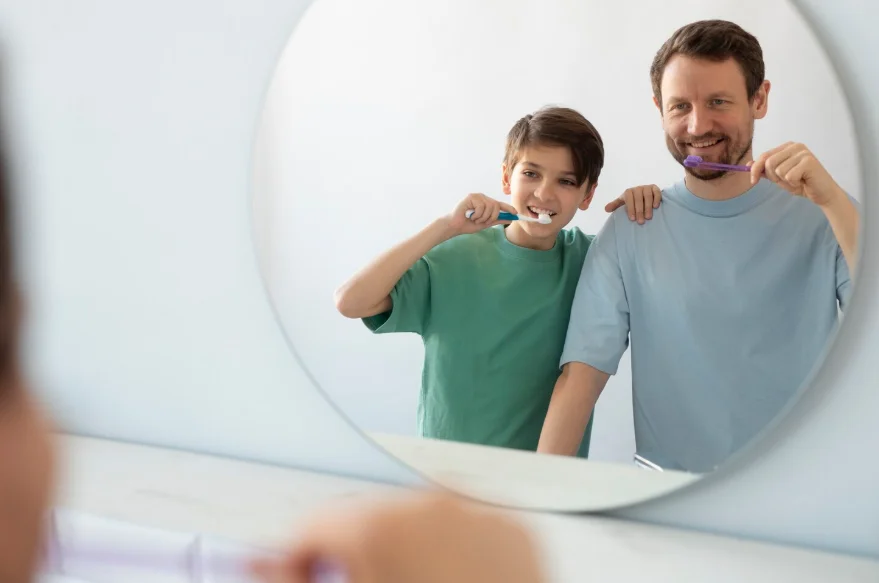
For young children, you control the routine. You place the brush in their hand. You set the timer. You stay with them until they can clean well alone.
For teens, you connect habits to goals they care about. Clear skin. Fresh breath. Strong smile for sports and photos. You link dental care to their daily life.
Special Concerns For Children And Teens
Children learn health patterns early. Cavities in baby teeth hurt just as much as in adult teeth. They also affect speech and jaw growth.
You can protect your child by doing three things.
- Schedule the first dental visit by age one or when the first tooth appears.
- Ask about fluoride and sealants for school age children.
- Limit bedtime bottles and sticky snacks.Teens face new risks. Sports injuries, vaping, smoking, and energy drinks all damage teeth and gums. You talk openly about these dangers. You offer mouthguards and sugar free options.
Supporting Older Adults In Your Family
You can help by keeping supplies simple and close.
- Use large handled brushes or electric brushes.
- Keep fluoride toothpaste and floss in easy reach.
- Offer sips of water often.
You also watch for loose teeth, sore spots, or trouble chewing. Then you help schedule visits. You go along when needed so you hear instructions first hand.Turning Care Into A Family RoutinePreventivefirsthand works best when it becomes a family ritual.You can use three steps.
- Pick two set months for checkups each year. For example, before school starts and around a major holiday.
- Put brushing on the family schedule. Morning and night. Same time as other routines.
- Track visits and home care on a simple chart or calendar.
When you treat dental care as non negotiable, your children learn that message. Teeth and gums matter. Heanon-negotiablehey carry that belief into adult life.Preventive dentistry protects more than smiles. It guards hearts, lungs, blood sugar, and confidence. With steady visits and simple daily steps, you keep your family out of crisis. You replace fear and surprise with calm and control.


 By
By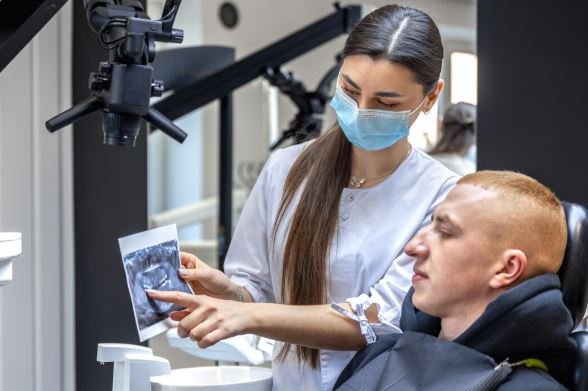

 By
By