
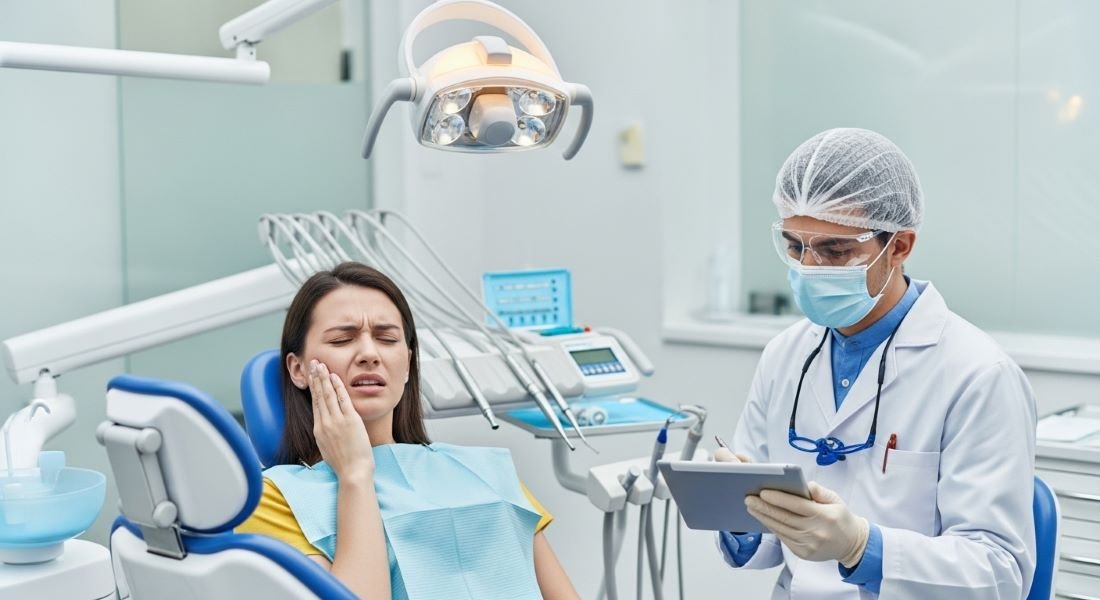

Dental pain can strike fast and hit hard. In those moments, you may search online, ask a neighbor, or wait it out in silence. Myths about dental emergencies spread quickly and can push you to delay care or choose unsafe home fixes. That delay can turn a small problem into a serious infection or tooth loss. This blog cuts through five common myths you may hear before you call an emergency dentist in Elizabeth, NJ. You will see what really counts as an emergency, when you can wait, and when you must act right away. You will also learn what happens during an urgent visit and what you can do at home while you get help. Clear facts can calm fear. They can also protect your teeth, your health, and your money.
Myth 1: “Tooth pain is normal and will pass”
Tooth pain is a warning sign. It is not normal. It tells you that something is wrong inside your tooth, gums, or jaw.
Common causes include:
- Cavity that reached the inner tooth
- Cracked or broken tooth
- Infection or abscess
- Gum disease or injury
You may feel tempted to wait and see. Pain pills can mute the pain for a short time. They do not fix the cause. Infection can spread to your face, neck, or blood. That can become life-threatening.
The American Dental Association explains that new or severe tooth pain needs prompt dental care, not long wait times.
If tooth pain wakes you at night, lasts more than a day, or comes with swelling or fever, treat it as urgent. Call a dentist the same day.
Myth 2: “A knocked-out tooth is hopeless”
A knocked-out permanent tooth can often be saved. Time is the key. You usually have about 30 minutes to one hour for the best chance.
Use these steps right away:
- Find the tooth. Pick it up by the crown, not the root.
- Rinse it gently with clean water. Do not scrub or use soap.
- Try to place it back in the socket. Bite down gently on a clean cloth.
- If you cannot place it back, put it in cold milk or in your cheek.
- Call a dentist or go to urgent care at once.
The International Association of Dental Traumatology and many public health agencies support these steps. The Centers for Disease Control and Prevention also stresses quick care for mouth injuries in children. You can review school sports injury guidance from the CDC HEADS UP youth sports page.
Quick action can mean the difference between saving the tooth and losing it.
Myth 3: “Home cures work as well as a dentist”
Family stories and online tips can sound easy. Salt water, clove oil, cotton with alcohol, or broken aspirin on the gum all show up in advice threads. Some can calm pain for a short time. Some can burn your mouth or damage tissue.
Three hard truths:
- Home cures do not remove deep infection.
- They do not fix fractures or holes in teeth.
- They can mask symptoms while the problem grows.
Rinsing with warm salt water can help clean the mouth. Cold packs on the cheek can lower swelling. Over-the-counter pain pills can help if you follow the label and your doctor’s advice. These steps support care. They do not replace it.
Never place aspirin or strong liquids on the tooth or gum. They can burn the tissue and increase pain.
Myth 4: “Only teeth count as a dental emergency”
Gums, lips, tongue, and jaw also matter. Trouble in these parts can be just as serious.
Common non tooth emergencies include:
- Facial swelling near a tooth or jaw
- Bleeding that does not stop after 10 to 15 minutes of pressure
- Cut tongue or lip that gapes open
- Jaw that will not close or feels out of place
- Sudden bad taste with pus in the mouth
Use this quick guide.
| Symptom | Can usually wait | Call dentist same day | Call 911 or go to ER |
|---|---|---|---|
| Dull toothache | Yes, within 24 hours | No | No |
| Sharp tooth pain with hot or cold | Maybe, if short and mild | Yes, if pain repeats | No |
| Facial swelling or pus | No | Yes | Yes, if swelling spreads to the eye, neck, or if you have trouble breathing |
| Knocked-out permanent tooth | No | Yes, right away | No, unless you also have a head injury |
| Uncontrolled bleeding | No | No | Yes |
| Broken jaw or cannot close mouth | No | No | Yes |
If you feel unsure, call a dentist or nurse line. Describe every symptom. Mention fever, trouble swallowing, or feeling weak.
Myth 5: “Emergency dental care costs too much”
Fear of cost keeps many people away from care. That fear can lead to larger bills later.
Compare these two paths.
- Early visit for small cavity. Simple filling. Lower cost.
- Late visit after months of pain. Root canal or extraction. Possible infection. Higher cost. Time off work. More stress.
Many clinics offer payment plans. Community health centers and dental schools often provide lower-cost urgent care. The Health Resources and Services Administration lists community health centers that may offer dental services on a sliding fee scale.
If you have dental insurance, learn your emergency benefits now. If you do not, ask clinics about fees before you need them. Clear plans can ease fear when pain hits.
How to prepare before an emergency
You can take three simple steps today.
- Save the phone number of a trusted dentist in your contacts.
- Keep a small dental kit at home with gauze, a clean container, and pain pills that match your doctor’s advice.
- Use a mouthguard for sports and a seat belt every time you ride in a car.
Quick action, clear facts, and a calm plan can protect your teeth and your health when the unexpected happens.


 By
By

 By
By