
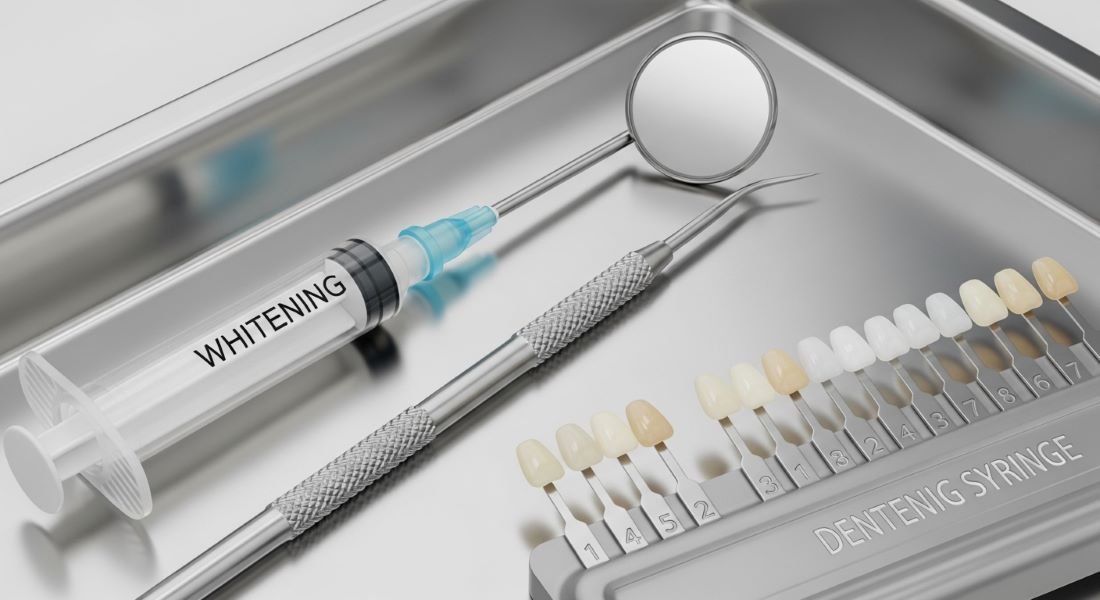

You might think preventive care and cosmetic dentistry sit on opposite sides. One protects your health. The other improves the look of your smile. In truth, they often work together in the same visit. Strong teeth usually look better. Straight teeth are easier to clean. Healthy gums frame every smile. A Dacula dentist uses many of the same tools for both goals. Cleanings remove stains and lower decay. Fillings stop cavities and also repair the shape.
Simple fixes can restore confidence and prevent larger problems. Every choice in your mouth has two outcomes. It affects how you feel and how you look. This blog explains where the two types of care meet. It shows how small steps today can prevent painful treatment later. It also shows how smart cosmetic work can protect your teeth. You deserve a smile that feels strong and looks natural.
Why a healthy smile also looks better
Preventive care keeps teeth and gums strong. Cosmetic care improves shape, color, and alignment. You often get both at the same time.
When you prevent disease, you also protect your smile’s appearance. When you choose safe cosmetic care, you often lower your risk of decay and gum disease. That connection matters for children, adults, and older adults.
The Centers for Disease Control and Prevention explains that untreated cavities and gum disease cause pain and tooth loss. Many of the same steps that prevent these problems also support cosmetic goals.
Key types of preventive care
Preventive care includes simple steps you can control.
- Brushing with fluoride toothpaste two times a day
- Flossing one time a day
- Regular dental checkups and cleanings
- Fluoride treatments when needed
- Dental sealants for children and some adults
- Healthy eating with limited sugary snacks and drinks
These steps lower your risk of cavities, gum disease, and tooth loss. They also protect dental work such as crowns, veneers, and fillings.
Common cosmetic treatments that also protect health
Some cosmetic treatments start with a health reason. They also improve the look of your smile.
- Tooth colored fillings for cavities
- Crowns to cover cracked or worn teeth
- Bonding to repair chips or gaps
- Orthodontic treatment to straighten teeth
- Implants or bridges to replace missing teeth
- Whitening under dentist guidance
Each choice can support chewing, speaking, and cleaning. At the same time, each one can help you feel less self-conscious.
How straight teeth support prevention
Crooked or crowded teeth trap food. They are harder to brush and floss. That raises the risk of decay and gum disease.
When teeth are straighter, you can clean them more fully. Food and plaque do not hide in tight spots as much. This lowers cavity risk. It also helps your gums stay firm and pink.
Orthodontic treatment does more than change looks. It supports a bite that spreads chewing forces. This can reduce wear and jaw strain.
Comparing preventive and cosmetic care
| Type of care | Main purpose | Common examples | Health benefits | Cosmetic benefits |
|---|---|---|---|---|
| Preventive care | Stop disease before it starts | Cleanings, fluoride, sealants, exams | Lower cavities and gum disease | Keep natural teeth and gum shape |
| Cosmetic dentistry | Improve the look of teeth and gums | Whitening, veneers, bonding, orthodontics | Improve chewing, protect worn teeth | Change color, shape, and alignment |
| Overlap | Support health and looks at once | Tooth colored fillings, crowns, implants | Restore strength and function | Fill gaps and match tooth color |
Examples of overlap in daily care
You see this overlap in routine steps.
- Professional cleanings remove hardened plaque and surface stains
- Fluoride treatments strengthen enamel and keep teeth brighter
- Sealants block decay in grooves and keep chewing surfaces smooth
- Early treatment of small chips prevents fractures and improves shape
These actions support long-term health. They also protect against uneven wear and dark spots.
Safer whitening and enamel protection
Many people want whiter teeth. Store products may promise fast results. Some can irritate gums or weaken enamel if you use them too often.
A dentist checks for cavities and gum disease first. That prevents pain from exposed inner tooth layers. The dentist also chooses a safe strength and time. This protects enamel while you still see a change in color.
The American Dental Association shares guidance on whitening and enamel safety.
Protecting dental work with preventive steps
Once you invest in crowns, bonding, or implants, you need steady care. Preventive steps help that work last.
- Use a soft brush and fluoride paste
- Clean around crowns and bridges with floss or special tools
- Wear a night guard if you grind your teeth
- Limit sugary drinks and tobacco
- Keep regular checkups to spot early changes
These steps lower the chance of decay forming at the edges of crowns. They also protect implants from gum infection.
Planning for children and teens
Children gain from early habits. Sealants on molars can prevent many cavities. Straightening teeth can make brushing easier through the teen years.
Parents can support children by setting a steady routine. You can brush together. You can use a timer or a song to reach two minutes. You can also schedule visits two times a year and keep those dates.
When children feel proud of their smile, they may care more about brushing and flossing. That emotional link can carry into adulthood.
Taking your next step
You do not need to choose between health and looks. You can plan care that guards both. Start by asking your dentist three simple questions.
- What can I do at home to prevent problems
- Which cosmetic changes would also protect my teeth
- How can we plan care over time to spread cost and visits
That plan can steady your health, lower your stress, and support a smile you feel ready to share.


 By
By


 By
By