
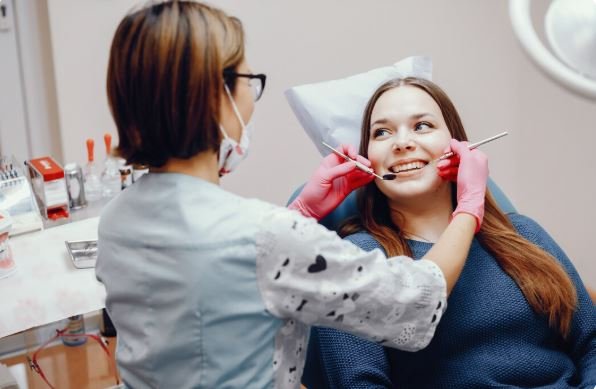

Your mouth carries more than a smile. It also carries quiet threats that grow when you ignore them. Tooth decay. Gum infection. Oral cancer. These problems often start small. Then they spread fast. You may feel fear, shame, or stress about seeing a dentist. You are not alone. Many people wait until pain forces them to act. By then treatment costs more and hurts more. Preventive services stop disease before it starts. They also catch early damage when it is still easy to treat. If you avoid care because of worry or panic, sedation dentistry in Puyallup can help you get these services without distress. This blog explains six simple preventive steps your dental team can use to guard your teeth, gums, and mouth. You will see what each service does, why it matters, and how it fits into a routine that keeps you safe.
1. Regular exams and cleanings
Routine exams and cleanings form the base of mouth protection. You sit in the chair for a short time. Yet the effect reaches far into your daily life.
During an exam, the dental team checks your teeth, gums, tongue, and cheeks. They look for early decay, gum swelling, cracked teeth, and signs of oral cancer. A cleaning removes sticky plaque and hardened tartar that you cannot remove at home.
This visit often prevents three painful problems.
- Cavities that reach the nerve
- Gum infection that leads to tooth loss
- Late stage oral cancer
The Centers for Disease Control and Prevention explains that untreated decay is common in children and adults. A simple cleaning and exam every six months cuts that risk fast.
2. Dental sealants for children and adults
Sealants protect the chewing surfaces of back teeth. These teeth have deep grooves. Food and germs hide there. A sealant covers the grooves with a thin shield.
The process is simple.
- The tooth surface is cleaned.
- A gel prepares the enamel.
- The liquid sealant is painted on and hardened with light.
The result is a smooth surface that is easy to brush. The National Institute of Dental and Craniofacial Research states that sealants can reduce decay in molars for many years. Children gain strong protection. Adults with deep grooves or early soft spots can gain protection too.
3. Professional fluoride treatments
Fluoride makes teeth harder and more resistant to acid. You may get some fluoride from water and toothpaste. A professional treatment gives a higher level of protection where you need it most.
Your dental team may use a gel, foam, or varnish on your teeth. The process takes only a few minutes. The fluoride soaks into the enamel. Then it helps repair weak spots before they turn into holes.
Fluoride treatments help three groups in strong ways.
- Children with growing teeth
- Adults with many fillings or crowns
- People with dry mouth from medicine or health conditions
You still need daily brushing and flossing. Yet fluoride makes those efforts more powerful.
4. Oral cancer screenings
Oral cancer can grow in the tongue, cheeks, roof of the mouth, throat, or lips. Early stages often feel silent. No pain. No clear change. That is why regular screening matters.
During a screening, your dentist looks and feels the mouth and neck. They check for lumps, rough patches, color changes, and sores that do not heal. The exam is quick and painless.
This service helps you in three main ways.
- Finds cancer early when treatment works best
- Spots pre-cancer changes before they turn serious
- Gives you clear answers about any odd spot you notice
If you smoke, drink alcohol, spend long periods in the sun, or have HPV, you face a higher risk. You still deserve calm care without judgment. Screening lets you take control instead of waiting in fear.
5. Periodontal maintenance and deep cleaning
Gum disease starts with red, swollen gums that bleed. If you ignore it, the bone around your teeth starts to shrink. Teeth loosen. Infection spreads.
A deep cleaning reaches under the gums to remove plaque and tartar. The roots are smoothed so germs have less chance to stick. After treatment, you may need periodontal maintenance visits more often than twice a year.
These visits help you.
- Slow or stop bone loss
- Reduce bleeding and swelling
- Keep breath fresher
Gum care also supports your general health. Research links gum disease with heart disease and diabetes control. When you protect your gums, you protect more than your smile.
6. Custom mouthguards and night guards
Many common mouth injuries and tooth cracks come from sports or night grinding. A custom guard fits your teeth and absorbs force.
There are two main types.
- Sports mouthguards for contact sports or activities where falls happen
- Night guards for grinding or clenching during sleep
A guard can prevent chips, broken teeth, jaw pain, and headaches. It costs less than fixing one broken tooth. It also protects dental work such as crowns and fillings.
Comparison of preventive services
| Service | Main goal | Best for | Usual timing |
|---|---|---|---|
| Exam and cleaning | Remove plaque and spot early disease | All ages | Every 6 to 12 months |
| Sealants | Protect grooves from decay | Children and high risk adults | Once per new molar |
| Fluoride treatment | Strengthen enamel | Children, dry mouth, high decay risk | Every 3 to 12 months |
| Oral cancer screening | Find early cancer and pre cancer | Teens and adults | At routine exams |
| Periodontal care | Control gum disease | People with gum infection | Every 3 to 4 months |
| Mouthguards | Prevent injury and wear | Sports players and grinders | Nightly or during activity |
Putting these services into your life
You may feel tired just reading about more appointments. Yet most of these services happen during your regular visit. You do not need six separate trips. You only need three steady habits.
- Keep your routine exams and cleanings.
- Say yes when your dental team suggests sealants, fluoride, or screening that fits your risk.
- Use guards and gum care as directed.
If fear or past trauma keeps you away, speak up. You deserve care that respects your limits and your story. With the right support, preventive services feel simple and calm. They save you from sudden pain, lost teeth, and high costs later in life.


 By
By
 By
By

 By
By