
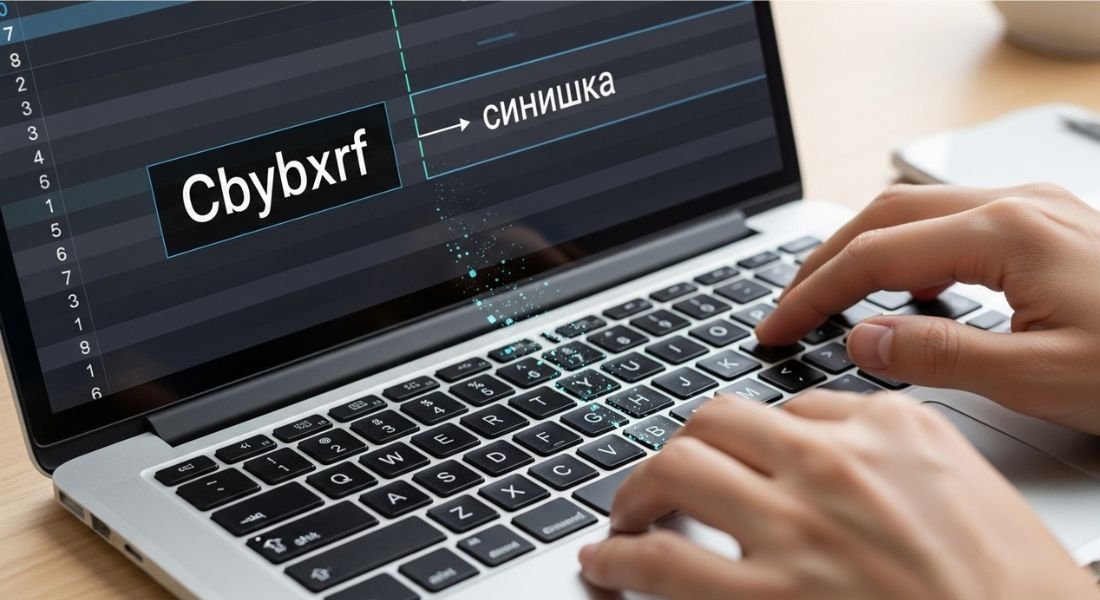

Cbybxrf looks like a cryptic code, a forgotten password or even a technical system name at first glance. In reality it is none of those things.
It is a keyboard layout mistake created when Russian text is typed using an English keyboard configuration. What you are seeing is not a word with hidden meaning it is a misaligned transcription of a real Russian word.
The original term behind Cbybxrf is синичка (sinichka) which means “little titmouse” a small and familiar bird across Europe and Asia.
Everytalkin article breaks down exactly how this happens why it spreads online and why the internet keeps misinterpreting it.
The Strange Life of a Word That Was Never Meant to Exist
Cbybxrf is a perfect example of how digital systems can accidentally create “fake vocabulary.”
Unlike real words that evolve through language and culture this string was never meant to be seen in Latin letters at all. It only appears when:
- A Russian speaker types in Cyrillic mode
- Their keyboard is still set to English
- Every key produces the wrong character mapping
The result is a string that looks like nonsense but is actually a direct substitution pattern. At no point does Cbybxrf represent a concept brand or technology. It is simply a typing artifact.
How a Keyboard Turns Meaning Into Noise?
To understand Cbybxrf you need to understand how Russian keyboards work. Russian and English keyboards use the same physical layout (QWERTY) but each key produces a different character depending on language mode.
For example:
- The English key C produces С in Cyrillic
- The English key b produces и
- The English key y produces н
So when someone intends to type:
синичка
but forgets to switch input language the system outputs:
Cbybxrf
This is not random. It is a precise 1:1 mapping error based on keyboard positions.
Why the Brain Reads It as “Something Important”?
Even though Cbybxrf is meaningless linguistically the human brain tends to interpret unfamiliar patterns as potentially meaningful.
This is known as pattern seeking behavior.
When people see:
- capital letters
- consonant heavy structure
- unfamiliar sequences
they often assume:
- it is a code
- a technical term
- or an acronym
This is why Cbybxrf began appearing in blog posts forums and automated SEO pages that tried to “explain” it. But the truth is far simpler than any of those interpretations.
The Original Word Behind the Confusion
The decoded version of Cbybxrf is:
синичка
This word comes from:
- синица → titmouse (bird species)
- чка → diminutive suffix (small / affectionate form)
So the meaning becomes:
“little titmouse” or “small affectionate bird”
This type of linguistic structure is very common in Russian. Diminutives are often used not just for size but for emotional tone — softness familiarity or warmth.
The Bird That Started It All
The titmouse is a small passerine bird found across Europe and parts of Asia. It is known for:
- bright yellow and blue feathers
- energetic movement
- curiosity around humans
- frequent visits to garden feeders
In Russia it is culturally familiar enough to appear in proverbs and everyday expressions.
The bird itself is not exotic or rare — which is why the word синичка carries a sense of everyday simplicity rather than symbolism.
A Famous Russian Saying That Uses the Bird
One of the most well known Russian proverbs includes the titmouse:
“Лучше синица в руках чем журавль в небе.”
Translated:
“Better a titmouse in the hand than a crane in the sky.”
It expresses a universal idea:
- small but certain value is better than large but uncertain gain
In English it is similar to:
“A bird in the hand is worth two in the bush.”
This proverb is one of the reasons the bird is culturally recognizable in the Russian language.
How Cbybxrf Spread Across the Internet?
Cbybxrf did not become known because of linguistics.
It became known because of search behavior.
Here is what typically happened:
- Someone typed “синичка” with wrong keyboard settings
- The result “Cbybxrf” appeared in a message or post
- Another user searched it out of curiosity
- Search engines detected traffic for the string
- Content systems assumed it must have meaning
- AI generated pages filled the gap with invented explanations
This cycle created the illusion that Cbybxrf was a real concept. But in reality it is a search artifact not a linguistic one.
Why AI Content Made the Confusion Worse?
Modern content systems often rely on pattern completion rather than verification.
When an unknown term appears systems may:
- guess its category
- generate plausible explanations
- match it to trending topics like crypto tech or health
So Cbybxrf was incorrectly described as:
- a software framework
- a blockchain project
- a wellness system
- a digital platform
None of these are based on real evidence.
This is an example of semantic inflation where meaningless strings are assigned meaning due to algorithmic assumptions.
The Role of Keyboard Layout Errors in Multilingual Communication
Cbybxrf is not an isolated case. It belongs to a broader category of issues called:
transliteration artifacts
These occur when:
- languages use different alphabets
- users switch between input systems
- typing happens without checking layout mode
In multilingual environments especially where Cyrillic and Latin scripts coexist these mistakes are extremely common.
They appear in:
- messaging apps
- gaming chats
- social media posts
- academic notes
Most of them are never noticed unless someone tries to read them as words.
Similar Examples That Follow the Same Pattern
Here are other examples of Russian to English keyboard mismatches:
- привет → Ghbdtn
- спасибо → Cgfcbj
- как дела → Rfr ltkf
- до свидания → Lj cdblfybz
All of them follow the same principle:
Cyrillic text mapped through an English keyboard layout.
Once you understand the system the pattern becomes predictable.
Why These Errors Feel “Code Like”
Strings like Cbybxrf often feel like encryption or encoding.
This is because they share characteristics with:
- cipher text
- random identifiers
- machine generated strings
They are:
- non pronounceable in English
- structurally irregular
- visually unfamiliar
However unlike encryption there is no hidden message. The transformation is mechanical not intentional.
How to Decode Cbybxrf Yourself
If you ever encounter similar strings you can reverse them easily.
Step 1: Identify layout mismatch
Look for consonant heavy non English looking patterns.
Step 2: Use a converter tool
Keyboard transliteration tools map Latin back to Cyrillic.
Step 3: Verify the output
Cbybxrf becomes:
синичка
Step 4: Translate meaning
The result is:
“little titmouse”
This method works for most Russian keyboard errors.
Why the Internet Struggles With Simple Errors?
The Cbybxrf case reveals a bigger issue in digital content systems.
The internet is optimized for:
- relevance
- traffic
- keyword matching
Not always for:
- linguistic accuracy
- origin verification
- contextual understanding
So when a meaningless string starts receiving searches it quickly gets treated as: something that must have meaning
This is how misinformation begins — not through deception but through assumption.
What Cbybxrf Teaches About Language Online?
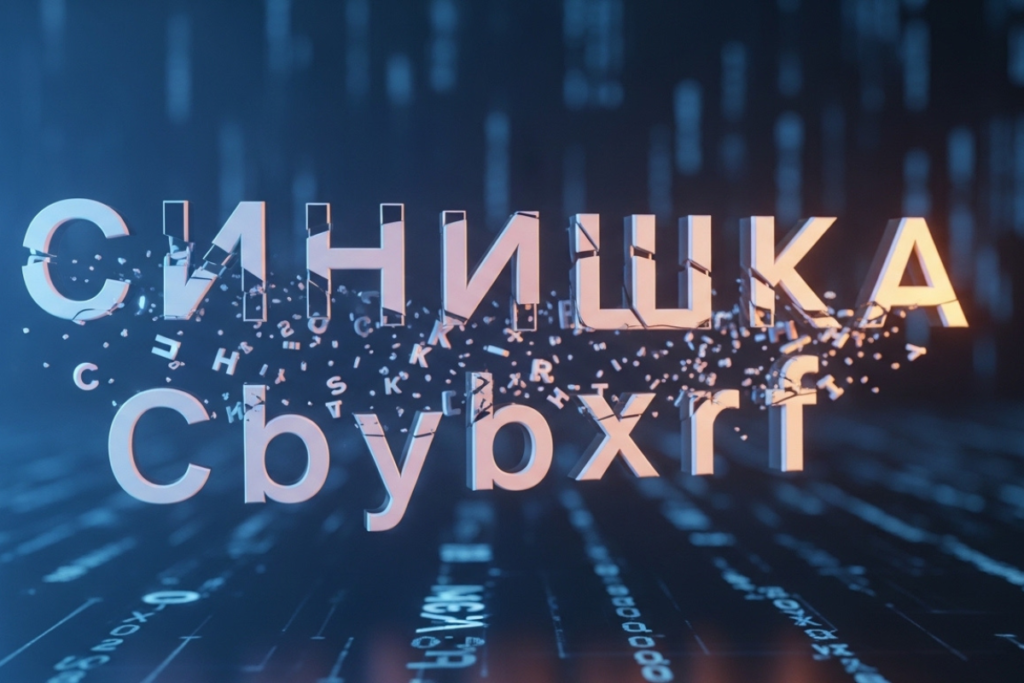
Cbybxrf is a small example but it highlights several important truths:
- Not every string is a concept
- Not every search result is meaningful
- Not every “explanation” is real
- Digital systems can invent structure where none exists
It also shows how fragile meaning becomes when removed from proper context. A single keyboard setting can transform: a meaningful Russian word Into a seemingly random code like sequence
Final Understanding
At its core Cbybxrf is not mysterious. It is not a hidden system encrypted message or digital entity. It is simply: a Russian word for a small bird typed with the wrong keyboard layout. Once corrected the illusion disappears completely leaving only a simple linguistic explanation.
FAQs
What does Cbybxrf actually mean?
It is the result of typing синичка meaning “little titmouse” using an English keyboard layout.
Is it a real term or brand?
No. It is not a product company or technology
Why does it look like a code?
Because Cyrillic letters map to Latin positions on an English keyboard creating unreadable output.
Can it be decoded?
Yes. It converts back to синичка using a keyboard layout converter.
Why did it become popular online?
Because search engines and AI systems mistakenly treated it as a meaningful keyword.


 By
By
 By
By

 By
By