
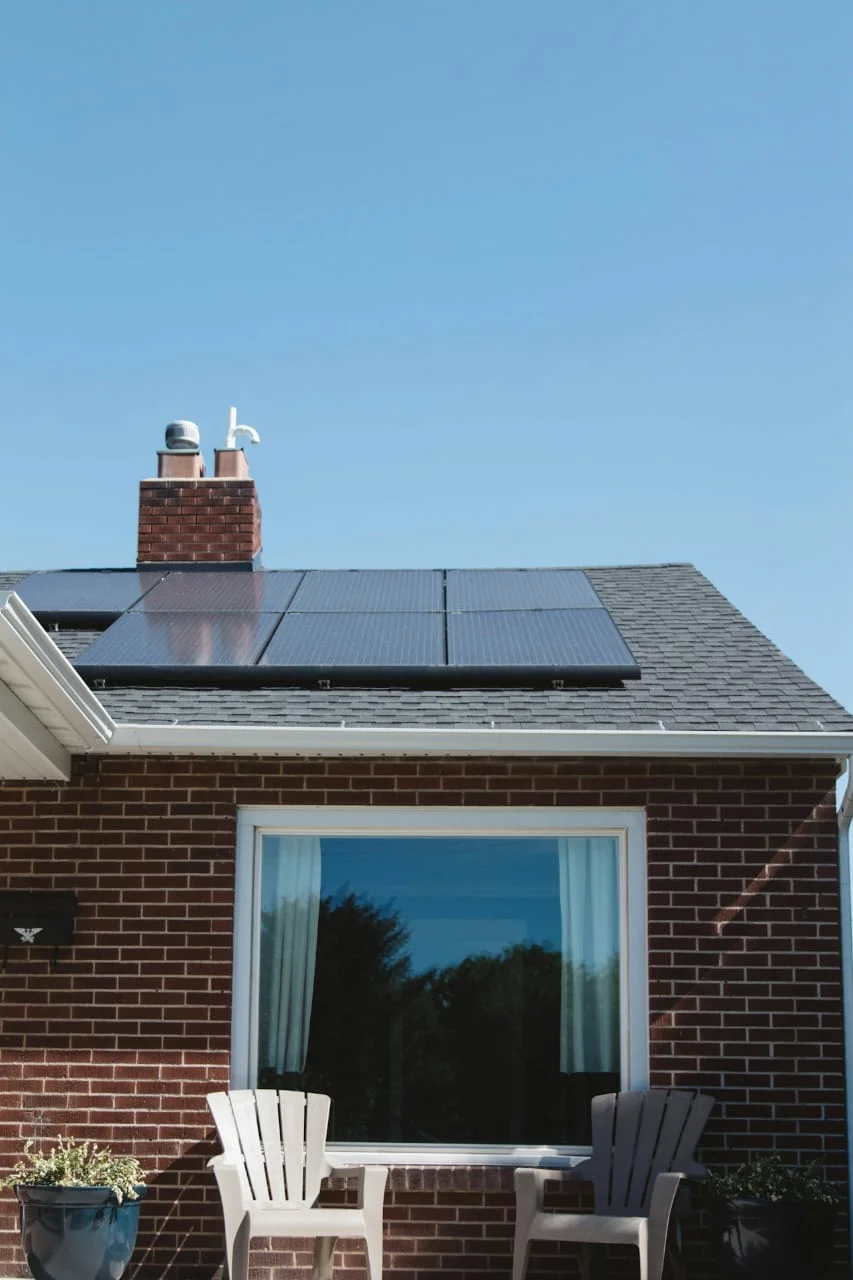

What does it actually feel like to live in a home powered by the sun? For many UK households, solar panels aren’t just a future investment—they’re already transforming the way they consume, store, and manage energy every day.
From sunrise to sunset (and beyond), life in a solar-powered home involves smarter energy choices, greater independence from the grid, and a more conscious approach to daily routines. Here’s how a typical day might unfold.
Morning: Wake Up to Free Energy
As the sun rises, solar panels begin generating electricity—often as early as 6 or 7 AM in summer months.
- The system quietly powers up appliances like your kettle, toaster, or shower pump
- Smart devices or timers may be programmed to run early-morning loads while the panels are active
- Some homes prioritise topping up battery storage during these hours for later use
While output may start off slow, it ramps up quickly by mid-morning—just as daily routines begin.
Midday: Peak Solar Power Generation
Around midday, solar production hits its peak. This is the most energy-rich part of the day, especially on clear or partly sunny days.
Typical energy activity includes:
- Running your dishwasher, washing machine, or vacuum
- Charging laptops, phones, and tablets
- Heating water if your system includes an immersion diverter
For homes with electric vehicles, midday is also a great time to top up using self-generated power.
This period is ideal for shifting as many tasks as possible to free solar electricity, reducing reliance on the grid.
Afternoon: Balancing Usage and Storage
In the afternoon, solar output may begin to taper off depending on orientation, shading, and weather.
This is where intelligent home energy management kicks in:
- Smart meters and apps track current usage vs production
- Batteries continue to charge if there’s surplus energy
- Some households begin drawing partially from stored energy if demand exceeds generation
For households across the UK, this mid-to-late afternoon phase helps stretch solar benefits into the evening.
Evening: Using Stored Energy
By sunset, solar panels stop generating—but the power they’ve produced earlier continues working.
Thanks to battery storage:
- Lighting, TVs, and other evening routines can be powered by stored solar electricity
- Energy-intensive activities (like cooking) may still run partially off-grid
- Smart systems prioritise battery use before switching to mains
Homes without batteries may start using grid power at this point—but often at reduced rates if paired with time-of-use tariffs.
This evening independence is one of the biggest lifestyle shifts that solar panels UK households are starting to embrace.
Night: Low-Consumption and Monitoring
At night, energy use naturally dips. Many solar-powered homes adopt habits like:
- Delaying non-essential appliance use until the next solar cycle
- Charging devices during the day instead of overnight
- Monitoring next-day forecasts to plan heavy-use activities
Homeowners often review energy dashboards to:
- Track battery charge/discharge performance
- Monitor what portion of the day’s use was solar-generated
- Adjust settings for better balance tomorrow
It’s a subtle but empowering shift—living in sync with your energy source.
What Makes It All Work Smoothly?
Several technologies help solar homes run efficiently:
- Battery storage: Extends solar use into non-daylight hours
- Smart meters: Track real-time usage and export
- Energy monitors: Help optimise when and how appliances run
- EV chargers and diverters: Maximise on-site electricity use
Each element works together to reduce waste, enhance independence, and improve visibility of home energy flow.
How It Feels to Live in a Solar-Powered Home
Beyond the technical benefits, homeowners often report:
- A greater awareness of when and how they use electricity
- A sense of control over their monthly energy footprint
- Confidence in having partial backup during power cuts
- Peace of mind from producing clean, renewable energy daily
Whether they live in a flat, cottage, or semi-detached home, more residents are discovering the quiet satisfaction that comes from powering their day with the sun.
Final Thoughts
Life in a solar-powered UK home isn’t about dramatic changes—it’s about small, smart adjustments that add up to big impact.
From your morning brew to your evening lights, the sun helps keep things running cleanly and quietly in the background. And with technology evolving fast, even more households across the country are stepping into this way of living—one solar day at a time.

 By
By


 By
By