
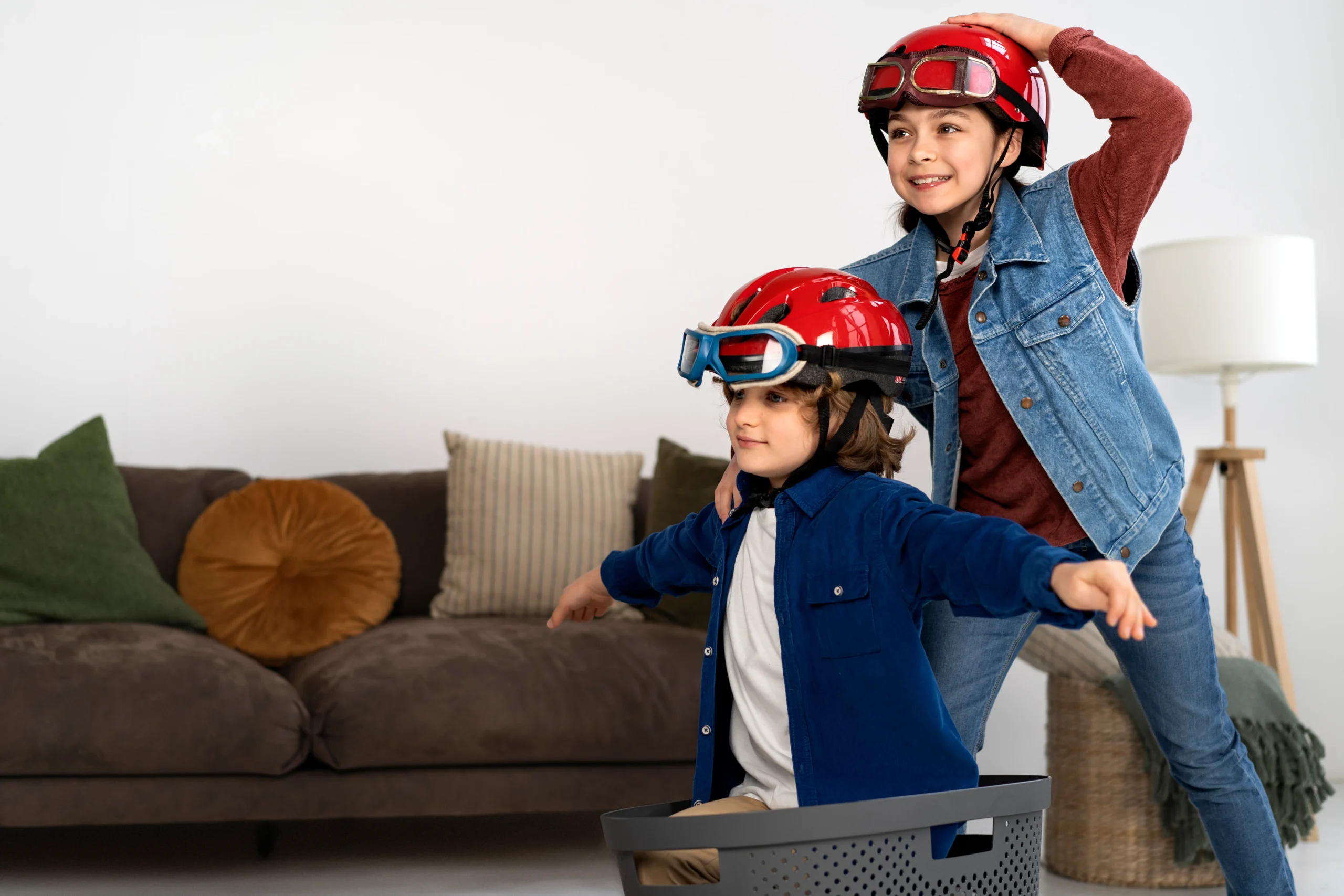

Imagine watching your child step into a room, chin up, eyes bright, ready to share an idea or try something new. That’s the magic of nurturing confidence early on. These activities draw on timeless principles, such as fostering a positive mindset, where small wins build confidence in their abilities, much as structured challenges reshape thinking for lasting growth.
Start with Positive Mindset Foundations
A positive outlook acts as the bedrock for any confidence journey. Kids who view challenges as opportunities rather than threats bounce back quicker and embrace risks. Think of it as planting seeds: daily affirmations or visualizing success rewires their brain toward optimism, proven to enhance resilience and self-belief.
Begin simple. Each morning, have your child stand tall and declare three things they’re good at, like “I’m great at drawing dinosaurs” or “I solve puzzles fast.” This mirrors how repeated positive focus shifts the mindset from doubt to determination. Over time, they internalize these truths, carrying quiet assurance into school or playdates.
Embrace Physical Challenges for Inner Strength
Movement unlocks a powerhouse of confidence. Activities that demand focus and perseverance teach kids that their bodies and minds are capable. Drawing from disciplines emphasizing discipline and goals, physical play builds not just fitness but a “I can do this” attitude that spills into academics and social settings.
Try shadow boxing or simple obstacle courses at home. Set up pillows to weave through, adding punches at targets while shouting encouraging words like “strong” or “brave.” As they master moves, celebrate progress—no perfection needed. This hands-on approach cultivates perseverance, turning “I can’t” into “Watch me,” fostering that contagious positivity where kids lift each other.
Unleash Creativity in Confidence Building Activities for Kids
Here’s where fun meets profound growth: confidence building activities for kids shine brightest when they’re creative outlets. Group storytelling or role-playing scenarios let them voice ideas safely, boosting self-expression amid peers.
Gather friends for “Hero Quest” circles. One child starts a story—”Once, a kid found a magic key…”—passing it around with each adding a twist based on their strengths, like “and used
speedy legs to escape.” No wrong answers; just cheers for bold ideas. This builds integrity and focus, as they learn to respect others’ turns while owning their voice. Parents notice shy ones blooming into chatty leaders.
Master Social Skills Through Team Triumphs
Confidence thrives in connection. Team games highlight how individual strengths contribute to group wins, reducing fear of judgment. These moments echo life skills like respect and dedication, where collaboration sparks joy and self-worth.
Organize “Build-It Challenges”: teams construct towers from recyclables under time pressure while openly debating designs. Debrief with “What went well? What strength helped?” Kids discover their ideas matter, gaining poise in discussions. Rotate roles so everyone leads once, embedding empathy alongside boldness.
Track Progress and Celebrate Growth
Sustained confidence comes from seeing evolution. Keep a “Victory Journal” where kids sketch or note weekly wins, from trying a new food to comforting a friend. Review monthly, spotting patterns like growing bravery.
Pair it with goal-setting: pick one fun challenge weekly, like leading a game. As they achieve that positive mindset, it solidifies into healthier, happier kids who inspire those around them. You’re not just playing; you’re equipping them for life’s adventures.
These steps create ripple effects. Your child doesn’t just gain confidence; they radiate it, drawing others into their positive world. Start small today, and watch their world expand.


 By
By

 By
By
 By
By