
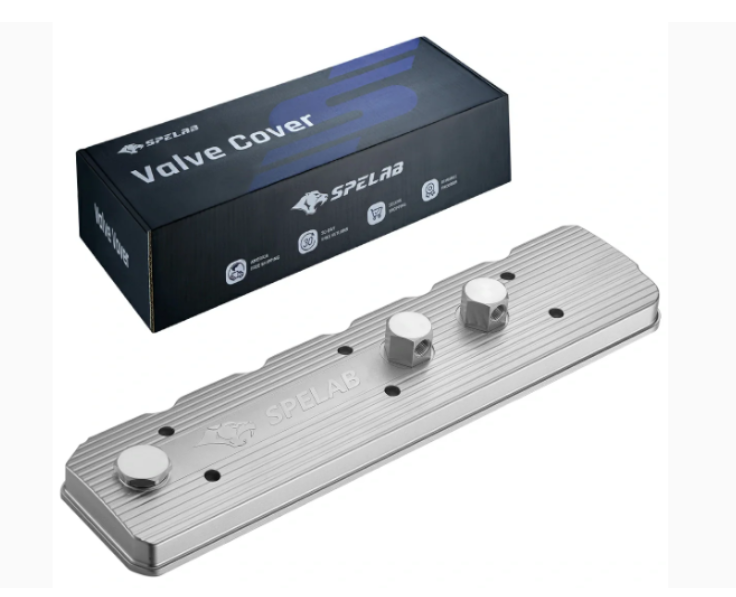

Valve and differential covers are vital for protecting your vehicle’s engine and drivetrain, ensuring optimal performance and longevity. Valve covers are located on the engine’s cylinder head and shield your engine’s internal components from dirt and debris while keeping engine oil from leaking. Differential covers shield gears and hold fluid, enhancing durability and cooling. These covers play an important role in the performance of pickup truck differentials. High-quality options from Spelabautoparts boost reliability. This article covers their functions, materials, common issues, maintenance, and replacement needs. You’ll learn how to choose, install, and maintain these covers, with practical tips and answers to common questions, empowering you to keep your vehicle running smoothly.
What Are Valve Covers?
A. Definition and Function
Valve covers, positioned atop the engine’s cylinder head, seal the valve train to prevent oil leakage and protect components.
- Covers valves and rocker arms are located on the cylinder head.
- Oil Containment: Prevents oil escape during engine operation.
- Pressure Maintenance: Ensures consistent pressure for performance.
B. Materials Commonly Used
Valve covers are made from materials designed to withstand heat.
- Aluminum: Lightweight, corrosion-resistant, ideal for performance.
- Steel: Durable, cost-effective, common in OEM designs.
- Composite/Plastic: Lightweight, used in modern vehicles for savings.
C. Common Problems
Issues can disrupt engine performance.
- Oil Leaks: Worn gaskets or loose bolts cause seepage.
- Warping or Cracking: Heat exposure can damage covers.
- Gasket Failure: Aging gaskets lead to leaks.
D. When to Replace a Valve Cover
Replace when issues affect performance.
- Oil Leaking: Visible oil on the engine requires attention.
- Rough Idling/Misfires: Leaks into spark plug wells disrupt combustion.
- Visible Damage/Wear: Cracks or warping signal replacement.
spelabautoparts valve covers ensure leak-free reliability.
What Are Differential Covers?
A. Definition and Function
Differential covers encase axle differential gears, protecting them and holding fluid.
- Location: On the rear axle (or front in 4WD vehicles).
- Protection: Shields gears from debris and retains fluid.
- Cooling/Strength: Enhances cooling and durability in aftermarket designs.
B. Types of Differential Covers
Various types suit different needs.
- Stock OEM Covers: Basic protection for standard driving.
- Aftermarket Performance Covers: Finned or reinforced for cooling.
- Magnetic Drain Plug Versions: Trap metal shavings to protect gears.
C. Materials Used
Differential covers are built for durability.
- These are heavy, long-lasting and most common in OEM designs.
- Popular in aftermarket, Lightweight, and corrosion-resistant
- Steel: Strong, cost-effective for various applications.
D. Common Problems
Issues can compromise performance.
- Leaking Fluid: Worn gaskets or bolts cause fluid loss.
- Rust or Corrosion: Moisture exposure degrades covers.
- Impact Damage: Off-road driving may dent or crack covers.
E. When to Replace a Differential Cover
Replace when performance is affected.
- Fluid Leaking: Leaking gaskets or covers need replacement.
- Damage: Dents or cracks from impacts require attention.
- Performance Upgrades: Enhanced covers suit towing or off-roading.
Maintenance Tips for Valve and Differential Covers
A. Valve Cover Maintenance
Regular maintenance prevents valve cover issues.
- Always check for leaks and any damage during oil changes.
- Use new gaskets for a tight seal.
- Torque Bolts: Tighten to factory specs to avoid warping.
B. Differential Cover Maintenance
Proper care extends cover life.
- Ensure to check fluid levels to protect gears.
- According to conditions replace Fluid every 30,000–60,000 miles.
- Quality Sealants: Use high-quality gaskets for leak-free performance.
Spelabautoparts products support effective maintenance.
Choosing the Right Covers for Your Vehicle
A. OEM vs. Aftermarket
Choose based on needs and budget.
- OEM Covers: Cost-effective, designed for standard use.
- Aftermarket Covers: Enhanced durability and customization.
B. Performance Considerations
Performance covers improve functionality.
- Heat Dissipation: Finned designs enhance cooling.
- Structural Integrity: Reinforced covers handle heavy use.
- Magnetic Plugs: Capture debris to protect components.
C. Brands and Recommendations
Select trusted brands.
- 6.7 cummins valve cover: spelabautoparts offers leak-proof designs.
- Differential Covers: spelabautoparts provides finned, high-capacity covers.
Installation Tips and Considerations
A. Tools You’ll Need
Proper tools ensure smooth installation.
- Socket Set/Torque Wrench: For precise bolt tightening.
- Gasket Scrapers/Sealants: Ensure a clean, tight seal.
- Drain Pan/New Fluids: For fluid changes during installation.
B. DIY vs. Professional Installation
Consider skill level and costs.
DIY Installation: Requires mechanical knowledge and tools.
- Professional Installation: Ensures accuracy but increases costs.
- Risks of Improper Installation: Leaks or damage from errors.
Spelabautoparts covers simplify installation with quality design.
FAQs
Q1: Can a damaged valve cover cause engine misfires?
Yes, especially if oil leaks into the spark plug disrupts the air-fuel mixture.
Q2: How often should I check or change my differential fluid?
It depends on your vehicle and driving conditions. You can check every 30,000 to 60,000 miles.
Q3: Do aftermarket differential covers really help with cooling?
Yes, many are finned for better heat dissipation and include extra fluid capacity.
Q4: Can I reuse valve cover gaskets?
It’s not recommended—new spelabautoparts gaskets should be used for a proper seal.
Q5: How much does it cost to replace these covers?
Valve covers range from $50–$200 (plus labor). Differential covers range from $30–$150 (plus fluid and labor).
Conclusion
Both covers are essential for protecting your vehicle’s engine. It make sure performance and longevity. They prevent oil leaks and maintain engine pressure, shield gears and enhance cooling, especially in demanding conditions. If you do regular maintenance of the vehicale then it can save you from costly repairs. Spelabautoparts high-quality covers can improve durability and efficiency, particularly for towing or off-roading. Checking or replacing these covers as needed extends your vehicle’s life and maintains smooth operation. We encourage you to inspect your covers during routine maintenance or consider upgrading for better performance. Have you ever replaced a valve or differential cover?


 By
By

 By
By
 By
By
 By
By