
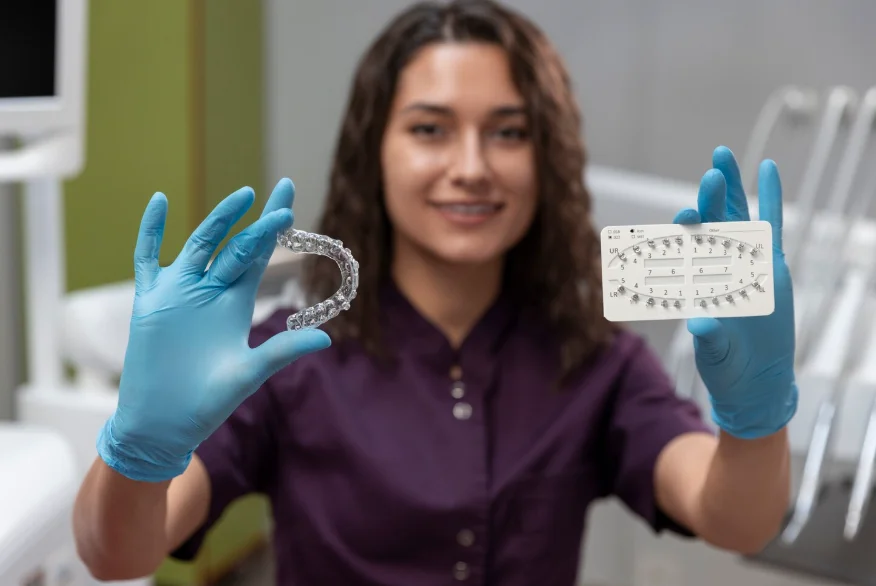

Straight teeth look good. They also stay cleaner. Clear aligners can help you build simple habits that protect your mouth for years. You remove them to eat. You clean your teeth before you put them back in. This constant routine trains you to brush and floss with more care. It also makes you notice food that sticks and plaque that hides. Over time, you stop skipping steps. You start to expect a clean, smooth feel every day. That feeling can be powerful. It can push you to choose water over soda and snacks that do not cling to your teeth. If you use a clear aligner in Marietta, GA, your dentist or orthodontist will check your cleaning at each visit. These checkups keep you honest. They also catch early signs of trouble. With clear aligners, straightening your teeth and protecting your health can happen at the same time.
How Clear Aligners Change Your Daily Routine
Clear aligners work only if you follow a daily pattern. That pattern also supports strong habits for clean teeth.
- You remove the trays every time you eat or drink anything except water.
- You rinse your mouth and the trays before you put them back in.
- You brush at least twice a day and clean between teeth once a day.
This routine breaks the habit of constant snacking. It also pushes you to think before you grab sticky food. Each time you remove the trays, you face a choice. You can eat and skip cleaning. Or you can eat, then clean, then put the trays back in. When you repeat the better choice many times, it becomes your new normal.
Why Cleaner Teeth Matter During Treatment
Teeth move through bone during aligner treatment. That movement needs a clean setting. If plaque and food stay on your teeth, you raise your risk of:
- Cavities
- Red or swollen gums
- White spots on enamel
- Bad breath
Clear trays cover your teeth. If you trap sugar and plaque under the trays, you give germs a warm, closed space. This can speed up tooth decay. The Centers for Disease Control and Prevention explains that regular brushing with fluoride toothpaste and cleaning between teeth cut your risk of decay and gum disease. Clear aligners push you toward that pattern every day.
Clear Aligners Compared With Braces for Hygiene
Both braces and clear aligners move teeth. Yet they affect your cleaning habits in very different ways. You can use the table below to see how they compare.
| Topic | Clear Aligners | Traditional Braces |
|---|---|---|
| Brushing | You remove trays. You brush all tooth surfaces with no blocked spots. | Brackets and wires block brush bristles. You must brush around many edges. |
| Flossing | You floss as you usually do. No tools needed. | You often need floss threaders. Cleaning between teeth takes more time. |
| Food limits | You remove trays to eat. You can eat most foods if you clean after. | You avoid hard, sticky, or crunchy foods that can break brackets. |
| Trapped plaque | Trays can trap plaque if you skip brushing. Good cleaning clears it. | Brackets create many small ledges where plaque sticks. |
| Time needed for daily care | Shorter, if you keep a simple routine and plan meals. | Longer, due to careful brushing and threaded flossing. |
| Risk of white spots | Lower if you brush before trays go in. | Higher around brackets if plaque stays on enamel. |
This comparison shows why many people find it easier to keep teeth clean with clear aligners. You still must work. Yet the tools and steps are simple.
Daily Habits That Aligners Help You Build
Clear aligners support three core habits. These habits protect you during treatment and after it ends.
1. Regular, mindful brushing
- You brush before bed and after waking up.
- You use fluoride toothpaste and a soft brush.
- You spend at least two minutes each time.
The trays feel uncomfortable if your teeth are dirty. That feeling pushes you to brush with care. Over time you begin to notice rough spots that signal plaque. You also notice smooth spots that signal clean enamel.
2. Cleaning between teeth
- You use floss, floss picks, or a water flosser once a day.
- You take your time with tight spaces where food hides.
- You pay close attention to back teeth.
Research shared by the National Institute of Dental and Craniofacial Research shows that plaque between teeth raises your risk of decay and gum disease. Aligners do not block floss. This makes it easier to clean those hidden spots and protect your gums.
3. Smarter choices about food and drink
- You cut back on sugary drinks that force you to remove trays many times.
- You shift from sticky sweets to snacks that rinse off more easily.
- You drink water more often to keep your mouth moist and clean.
Each snack means tray out, eat, brush, tray back in. That pattern can feel like a burden. It often pushes you to group snacks with meals and to skip mindless eating. That change alone can lower the time sugar sits on your teeth.
Helping Children and Teens Use Aligners Safely
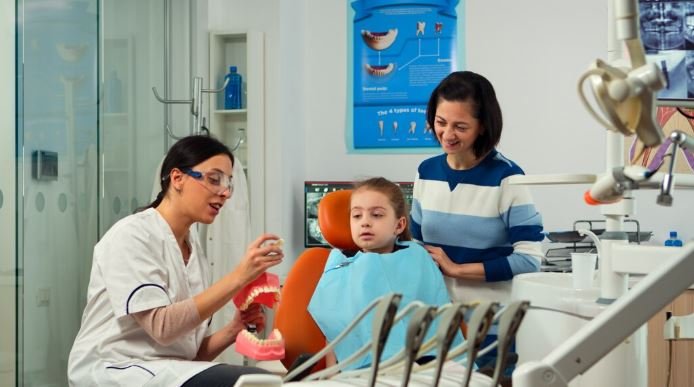
Parents often worry about whether children and teens will wear aligners as directed. You can support them with clear rules and shared routines.
- Set a tray case rule. Trays go in the case whenever they leave the mouth.
- Build brushing and flossing into morning and night family routines.
- Keep a travel brush and small toothpaste in school bags.
- Check teeth and trays together before bedtime.
You can also talk about goals that matter to them. This might be a school photo, sports season, or graduation. Tie aligner use and clean teeth to that goal. Simple, honest talks work better than fear.
Keeping Results After Treatment Ends
When aligner treatment ends, you still need to protect what you gained. You will likely wear a clear retainer. That retainer uses the same remove and clean pattern. If you keep the habits you built during treatment, you can:
- Hold your new tooth position.
- Lower your risk of gum problems and decay.
- Spend less time and money on dental repair later.
Strong habits outlast any device. Your goal is not just straight teeth. Your goal is a mouth that feels clean and strong every day. Clear aligners can be a tool that helps you build that steady pattern for yourself and your family.


 By
By


 By
By