


Your mouth affects how you eat, speak, and feel every single day. General dentistry protects that. It focuses on steady care that stops small problems before they become painful and expensive. You get clear answers, early warnings, and simple steps you can follow at home. Regular cleanings, checkups, and basic treatments support your teeth, gums, and jaw for your whole life. They also help your doctor spot signs of diabetes, heart disease, or infection that first show in your mouth. Many people wait until they feel sharp pain. By that point, damage is often serious and costly to fix. Routine care is more effective when you start early and stay consistent. Practices like dentistry on Dundas use general dentistry to build long-term oral health that feels stable and predictable. You gain comfort, confidence, and control over your own care, one visit at a time.
What General Dentistry Covers For Your Family
General dentistry gives you a stable base. It keeps daily care simple and steady. Common services include three core parts.
- Regular exams and X rays
- Professional cleanings
- Basic treatments such as fillings and simple extractions
Each visit has a clear goal. Your dentist checks for tooth decay. Your dentist looks for gum infection. Your dentist also checks your bite, jaw joints, and soft tissues. This full view helps catch early changes that you may not feel yet.
The Centers for Disease Control and Prevention explains that tooth decay and gum disease are common and often hidden at first. General dentistry meets these silent problems early. That protects your long-term health and your budget.
Why Early Care Prevents Bigger Problems
Tooth decay and gum disease start small. At first, you may see a slight color change or feel mild soreness. Then decay reaches the deeper layers. At that point, you may need a root canal or even lose a tooth. Gum disease follows the same pattern. It starts with red or bleeding gums. Then it can destroy the bone that holds your teeth.
General dentistry breaks this chain. Early care gives you three clear gains.
- You treat decay while it is still shallow
- You stop gum infection before it harms bone
- You avoid large, costly work that strains your budget
Routine exams also help find signs of oral cancer. A short check of your tongue, cheeks, and throat can catch changes that need fast care. You may not feel these changes at all at home.
How General Dentistry Supports Your Whole Body
Your mouth links to the rest of your body. Bacteria from gum disease can enter your blood. That can raise strain on your heart and blood vessels. The National Institute of Dental and Craniofacial Research reports ties between gum disease, diabetes, and other long-term conditions.
General dentistry helps in three ways.
- It lowers harmful bacteria through cleanings and home care
- It spots dry mouth, grinding, or infection that point to other health problems
- It gives your medical team clear information about your oral health
When your mouth stays healthy, you can eat a wide range of foods. You can choose fresh fruits, nuts, and lean proteins without fear of pain. That supports better blood sugar control and stronger bones.
Home Care Plus Dental Visits
Daily habits matter. General dentistry works best when it supports what you do at home. You can follow three main steps.
- Brush twice a day with fluoride toothpaste
- Clean between teeth every day with floss or small brushes
- Limit sugary drinks and snacks, especially between meals
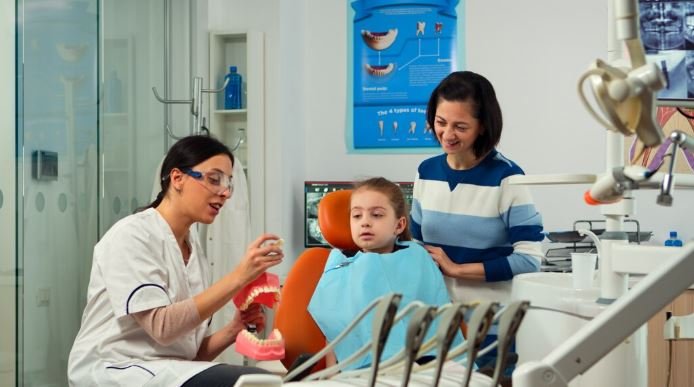
Your dentist can tailor these steps for your family. Children may need sealants on back teeth. Older adults may need help with dry mouth or tooth wear. People with braces or clear aligners need special cleaning tools. This guidance keeps care realistic and less stressful.
How Often You Should Visit
Many people do well with a visit every six months. Some need care more often. Others may need less. Your schedule depends on your risk for decay and gum disease.
Visit Frequency By Oral Health Risk
| Risk level | Common signs | Suggested visit schedule |
|---|---|---|
| Low | No recent cavities. Healthy gums. Strong home care. | Every 9 to 12 months for exam and cleaning. |
| Medium | One or two cavities in the past few years. Mild gum bleeding. | Every 6 months for exam and cleaning. |
| High | Frequent cavities. Gum disease. Diabetes or smoking. | Every 3 to 4 months for exam and cleaning. |
This plan is not fixed. Your dentist can adjust it as your mouth improves. That keeps care flexible and honest.
General Dentistry For Children, Adults, And Seniors
Every life stage brings different needs. General dentistry stays with you through each one.
- Children learn how to brush, floss, and feel safe during visits
- Adults protect teeth from stress, grinding, and busy routines
- Seniors manage dry mouth, tooth wear, and missing teeth
Fluoride, sealants, mouth guards, and simple repairs all support long-term stability. Early orthodontic checks can guide jaw growth. Later in life, partial dentures, bridges, or implants can restore chewing and speech. These steps help you keep a strong bite and clear speech at every age.
Taking The Next Step Toward Long Term Oral Health
You gain the most when you treat your dentist as a steady partner. You bring your daily habits and concerns. Your dentist brings training, tools, and clear advice. Together you build a plan that fits your mouth, your health, and your budget.
Start with three steps. Schedule a checkup. Ask for a simple summary of your oral health. Then follow the basic home care plan you agree on. With steady general dentistry, you protect your teeth, save money, and support your whole body for years to come.


 By
By


 By
By