


Dental implants can fail quietly. You might feel fine while slow bone loss and gum infection creep in around them. Periodontal maintenance stops that damage before you lose what you paid and suffered for. This care is not extra. It is the only way to keep implants stable for decades. During visits, your provider checks pocket depths, cleans below the gum line, and tracks small changes that you cannot see at home. Then small problems stay small. You protect the implant, the bone, and the gums that hold everything in place. If you already have implants or plan to get them, you need a clear plan for ongoing care. West Houston periodontal services give you that structure. You gain predictability, fewer emergencies, and less pain. You keep your bite strong and your smile steady.
Why Implants Still Need Ongoing Care
Implants replace missing teeth. They do not replace healthy gums. Bacteria still collect in plaque around the implant. If that plaque stays, it hardens into tartar and irritates the gums. Then infection starts and bone pulls away from the implant post.
Research from the National Institute of Dental and Craniofacial Research shows that long term success of implants depends on how well you control plaque and gum disease. You cannot see early bone loss at home. You also cannot remove hardened tartar with a brush or floss. That is why maintenance visits are nonnegotiable.
Without steady care you face three problems.
- Red or swollen gums around the implant
- Slow and permanent bone loss
- Loose implants that need repair or removal
What Happens During Periodontal Maintenance
Periodontal maintenance is more focused than a routine cleaning. It targets the spaces around implants and any teeth that have had gum disease.
During a visit, your provider will usually:
- Review your health history and any new medicines
- Measure gum pockets around each implant and tooth
- Check for bleeding, swelling, or pus
- Clean plaque and tartar above and below the gum line
- Polish exposed surfaces so plaque has less grip
- Review home brushing and flossing tools and skills
- Set the next visit date based on your risk
Sometimes you also need X rays to compare bone levels over time. That comparison shows if the implant stays stable or if disease is starting again.
How Often You Need Periodontal Maintenance
No single schedule fits everyone. Your provider sets a plan based on your history and habits. Many people with implants need maintenance every three to four months. Some who keep very clean mouths and have low risk may stretch to six months.
Factors that raise your risk include:
- Past gum disease or bone loss
- Smoking or vaping
- Diabetes or other chronic illness
- Dry mouth from medicines
- Grinding or clenching your teeth
The Centers for Disease Control and Prevention notes that gum disease is more common in people who smoke and in people with diabetes. If that is you, you need tighter recall visits and stricter home care to protect your implants.
Maintenance vs Routine Cleaning: Key Differences
Both visits clean your teeth. However periodontal maintenance goes deeper and tracks disease over time. The table shows how they compare.
| Feature | Routine Cleaning | Periodontal Maintenance |
|---|---|---|
| Main goal | General stain and plaque removal | Control gum disease and protect implants |
| Gum pocket measuring | Sometimes | At most visits |
| Cleaning below gum line | Limited | Focused on deep pockets and implants |
| Bone loss tracking | Basic review | Ongoing comparison and charting |
| Visit frequency | Every 6 to 12 months | Every 3 to 4 months for many patients |
| Who needs it | Healthy gums with no history of disease | Anyone with implants or past gum disease |
How Home Care and Maintenance Work Together
You see your provider only a few hours each year. You care for your implants every day. Both matter. Neither can replace the other.
At home you can:
- Brush two times each day with a soft brush
- Use floss, interdental brushes, or water flossers around implants
- Use low sugar snacks and drinks
- Avoid tobacco and limit alcohol
Then maintenance visits remove what you miss. They interrupt disease before it gains strength. This shared effort lowers your risk of painful treatment later.
Long Term Payoff for You and Your Family
Implants cost time, money, and healing. Losing one hurts your mouth and your confidence. It can also strain your budget. Periodontal maintenance protects that investment. It gives you more years with the same strong bite.
When you keep your own mouth healthy, you also set a clear example for your children or other family members. Regular visits, steady brushing, and early treatment become normal. That pattern cuts the chance that your loved ones will face gum disease, tooth loss, or expensive repair work.
With a clear maintenance plan, you trade surprise problems for steady control. You keep your implants firm. You keep food choices wide. You keep your smile ready for photos, work, and daily life.
When to Call Your Provider
Do not wait for pain. Call your provider if you notice:
- Bleeding when you brush or floss around an implant
- Bad taste or smell that does not go away
- Swollen or shiny gums near the implant
- Implant parts that feel loose
- New gaps or shifting of your bite
Early visits often mean simple cleaning and coaching. Delay can lead to deep infection and bone loss. That can end with implant removal.
Key Takeaway
You do not protect implants with luck. You protect them with a set schedule, skilled periodontal maintenance, and honest home care. When you keep those three in place, your implants can last for decades. You keep control of your health, your comfort, and your smile.


 By
By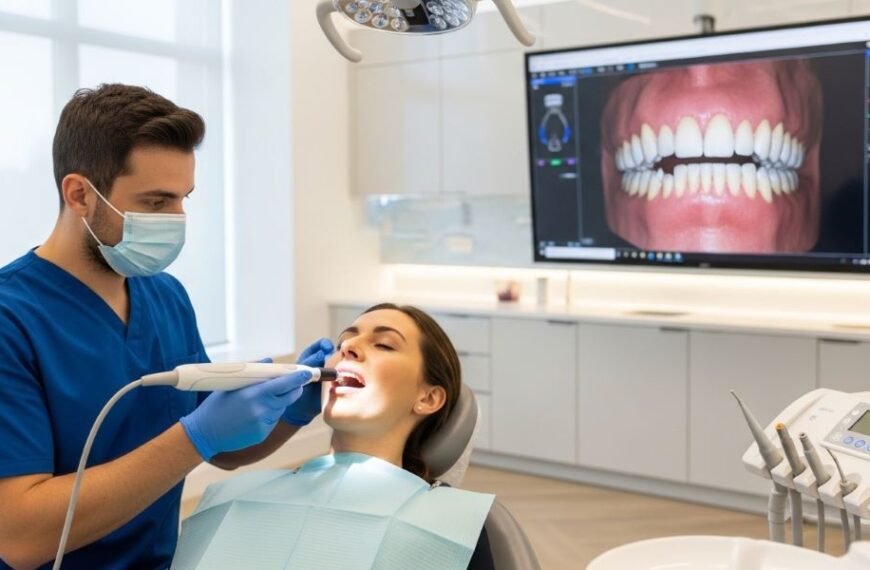


 By
By