


Your mouth affects the rest of your body more than you might think. Bleeding gums, loose teeth, or constant bad breath are not small problems. They can signal hidden infection. That infection can spread through your blood. It can strain your heart. It can affect blood sugar. It can even weaken your immune system. Preventive dentistry stops many of these problems early. You get cleanings. You get exams. You get simple treatments before pain starts. You lower your risk of heart disease, stroke, and diabetes problems. You also protect your ability to eat, speak, and sleep in peace. A trusted family dentist in Denton can help you build strong daily habits and a steady visit schedule. You gain control instead of waiting for a crisis. You protect your health by caring for your mouth with the same urgency as your heart or lungs.
How your mouth and body connect
Your gums are full of blood vessels. Your mouth is full of bacteria. When gums stay inflamed, those germs and toxins can enter your blood. Your immune system fights every day. Over time this constant fight can hurt other organs.
Research from the Centers for Disease Control and Prevention shows strong links between gum disease and heart disease, stroke, and diabetes problems.
Three common chains of harm are clear.
- Gum infection can increase heart strain.
- Inflamed gums can make blood sugar harder to control.
- Tooth loss can lead to poor diet and weight change.
When you prevent gum disease and tooth decay, you protect far more than your smile. You lower stress on your heart, blood vessels, and immune system.
What counts as preventive dentistry
Preventive dentistry is any routine care that stops disease before it starts or worsens. It includes three simple groups of actions.
- Daily home care with brushing, flossing, and healthy food choices.
- Regular checkups and cleanings with your dentist and hygienist.
- Early fixes such as sealants, fluoride treatments, and small fillings.
Each of these steps reduces germs in your mouth. Each step also cuts inflammation. That lower inflammation helps protect the rest of your body.
Health problems linked to poor oral care
The mouth is often the first place you can see signs of other disease. It can also be the first place small problems grow into bigger ones. Untreated oral disease can connect to many health problems.
- Heart disease and stroke through long term inflammation.
- Type 2 diabetes through poor blood sugar control.
- Pregnancy problems such as low birth weight and early birth.
- Lung infections when mouth germs are breathed into the lungs.
- Malnutrition in older adults who cannot chew well.
The National Institute of Dental and Craniofacial Research explains these links in plain terms at this gum disease resource.
How preventive care protects your whole body
Regular cleanings and exams do more than polish teeth. They give your dentist a clear view of early warning signs in your mouth and sometimes in your body.
Routine visits help your health in three main ways.
- You remove plaque and tartar that brushing cannot reach.
- You catch small cavities and gum pockets before they cause pain.
- You get coaching on habits such as brushing, flossing, and diet.
As a result you need fewer emergency visits. You need less complex treatment. You also lose fewer teeth over your lifetime. That means better chewing, clearer speech, and more stable nutrition.
Preventive habits for children, adults, and older adults
Each stage of life needs a simple set of steps. The core actions stay the same. Brush. Floss. See your dentist. Yet the focus shifts as your body changes.
Preventive dentistry focus by life stage
| Life stage | Main oral risks | Key preventive steps |
|---|---|---|
| Children | Cavities in baby and new adult teeth | Fluoride toothpaste. Sealants on molars. Limiting sugary drinks. |
| Adults | Gum disease and stress related grinding | Regular cleanings. Flossing every day. Night guard if needed. |
| Older adults | Dry mouth, tooth loss, and root decay | Review of medicines. Moisture support. Care for dentures or implants. |
When each family member follows these steps, the entire household gains better health and lower medical stress.
Everyday actions that strengthen both mouth and body
You can build strong oral and overall health with three daily habits.
- Brush twice a day with fluoride toothpaste for two minutes.
- Floss once a day to clean between teeth and along the gumline.
- Choose water, whole fruits, and plain dairy instead of sugary snacks and drinks.
You can also protect your teeth with a mouthguard during sports. You can avoid all tobacco. You can limit alcohol. Each of these choices supports your mouth, heart, and immune system.
When to see a dentist and what to share
You should see a dentist at least once or twice a year. You may need more visits if you have diabetes, heart disease, pregnancy, or a weak immune system. Your medical doctor may also suggest a tighter schedule.
At every visit, share three kinds of information.
- Current medicines including over the counter drugs and supplements.
- Recent diagnoses such as diabetes, heart disease, or autoimmune disease.
- Any pain, bleeding, sores, or changes in your mouth.
This open sharing helps your dentist spot links between your mouth and the rest of your body. It also helps your care team avoid drug interactions and plan safe treatment.
Taking control of your health through your mouth
Preventive dentistry gives you a clear way to protect your health every day. You brush and floss. You eat with care. You keep regular visits. You speak up when something feels wrong. These simple steps cut the risk of sudden tooth pain and quiet threats to your heart and blood sugar.
Your mouth is not separate from your body. It is part of your whole health story. When you treat it with respect and steady care, you support a stronger future for yourself and your family.


 By
By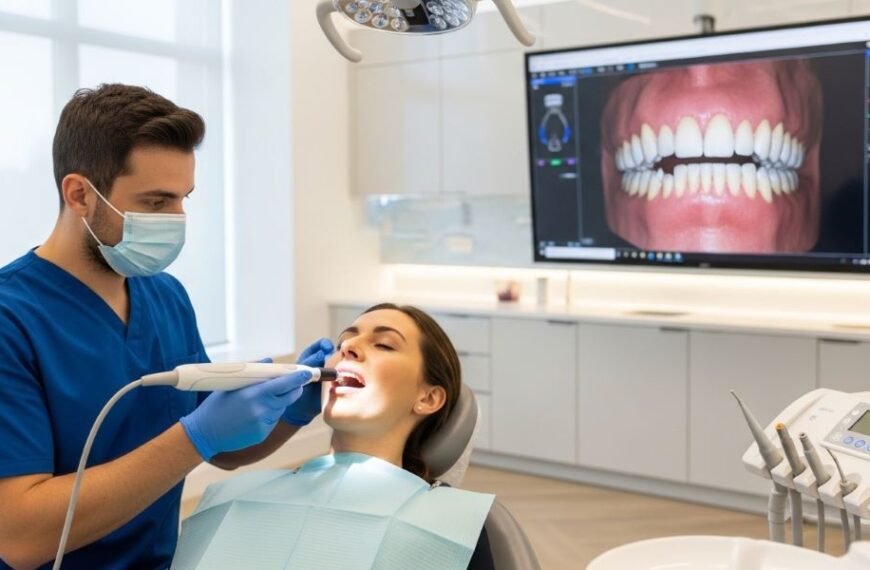


 By
By