
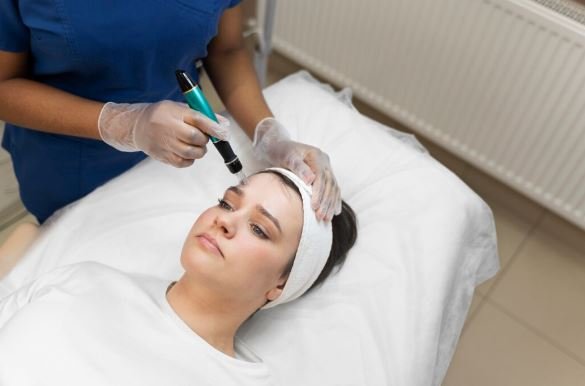

You want smoother skin. You also want real answers. Microneedling and RF microneedling sound similar, yet they work in different ways and lead to different results. This choice affects your comfort, your healing time, and your final look. Many people feel stuck. They hear mixed messages online and in offices. You deserve clear guidance that respects your time and your money. This blog explains what each treatment does, how each feels, and who benefits most. It also points out risks, limits, and common myths that cause regret. You will see how simple needles compare to needles with radiofrequency heat. You will learn what to expect during treatment and during recovery. You will also see questions you should ask any spa wellness clinic in Buffalo Grove, IL before you say yes. By the end, you can choose with confidence, not pressure.
How microneedling works
Microneedling uses small needles on a rolling tool or pen device. The needles press into your skin and create tiny wounds that you usually cannot see. Your body reads those wounds as damage. Your skin then starts a healing process.
During healing, your skin makes more collagen and elastin. These are proteins that keep skin firm and strong. Over time, you may see:
- Smoother texture
- Softer fine lines
- Smaller looking pores
Many people handle this treatment with numbing cream. You may feel pressure or short stings. Most people go back to normal tasks the same day. Your skin may look red and feel tight for one or two days.
How RF microneedling works
RF microneedling starts with the same idea. It also uses needles that enter the skin. Yet it adds radiofrequency energy. The device sends focused heat through the needles into deeper layers of your skin.
This heat creates controlled damage in the lower layers. That more serious damage can trigger stronger collagen growth. RF microneedling can reach where basic microneedling does not. Many people seek it for:
- More sagging along the jaw and cheeks
- Deeper wrinkles
- Thicker acne scars
- Sun damage that basic care did not improve
The treatment often uses a strong numbing cream. You may feel warmth and short zaps. Recovery can last a bit longer. Redness and swelling may last several days.
Side by side comparison
| Feature | Microneedling | RF Microneedling |
|---|---|---|
| How it works | Needles create tiny surface wounds | Needles plus radiofrequency heat reach deeper layers |
| Main goal | Improve texture and mild scars | Tighten skin and treat deeper scars and lines |
| Depth of treatment | Upper layers of skin | Middle and deeper layers of skin |
| Comfort level | Mild to moderate with numbing cream | Stronger feeling warmth and zaps |
| Recovery time | Redness 1 to 2 days | Redness and swelling 2 to 5 days |
| Number of sessions | 3 to 6 sessions for change | 3 to 4 sessions for change |
| Cost per session | Usually lower | Usually higher |
| Good for all skin tones | Often yes with trained staff | Often yes with careful settings |
Who might choose basic microneedling
You might lean toward standard microneedling if you:
- Have mild fine lines or early texture change
- Have shallow acne marks or small scars
- Want a shorter recovery
- Feel nervous about heat based devices
- Have a tighter budget
This option can work well if you already care for your skin at home. It can support results from sunscreen, gentle cleansers, and simple creams. The United States Food and Drug Administration explains how devices like microneedling rollers can break the skin and why clean technique matters. You can read more on the FDA microneedling information page.
Who might choose RF microneedling
You might lean toward RF microneedling if you:
- See loose skin on your neck or jaw
- Have deeper wrinkles that makeup does not hide
- Carry thick or long-lasting acne scars
- Want stronger change from each session
RF microneedling may suit you if you have already tried basic microneedling or peels and saw only a small change. It often pairs with long-term habits like sun protection and not smoking. These habits support collagen and protect what you gain from treatment.
Risks and safety steps for both
Both treatments break the skin. That means risk. You face a chance of infection, scarring, or dark or light spots. The risk rises if the person using the device lacks training or skips clean steps.
Before treatment, you should share if you:
- Have a history of keloid scars
- Use blood thinning medicine
- Have a weak immune system
- Have active acne or cold sores
- Are pregnant
Clean care matters. The Centers for Disease Control and Prevention gives clear guidance on hand hygiene and device cleaning that every clinic should follow. You can review their advice on the CDC standard precautions page. Reading this helps you see if a clinic follows basic safety steps.
What to expect during and after treatment
During both treatments, you can expect three main stages.
- Numbing. A cream sits on your skin for 20 to 40 minutes.
- Treatment. The device moves across your skin in small sections.
- Cooling. Staff may place a cool pack or calming serum on your skin.
After treatment, your skin will feel tight and warm. It may look like a sunburn. You may see small marks. These marks fade as your skin heals.
Your provider will likely ask you to:
- Avoid sun and use strong sunscreen
- Skip makeup for at least one day
- Use gentle cleansers and simple moisturizers
- Stop harsh scrubs or retinoid creams for a few days
Questions to ask before you choose
You have the right to clear answers. When you visit a clinic, you can ask:
- What training do you have with this device
- How many treatments like mine have you done
- What side effects have your patients seen
- What will my face look like right after treatment
- How many sessions do you expect I will need
- What will happen if I do not like the result
Your skin carries your story. It also affects your health. When you understand the true difference between microneedling and RF microneedling, you can move past fear and confusion. You can choose the option that fits your skin, your limits, and your life.

 By
By

 By
By