
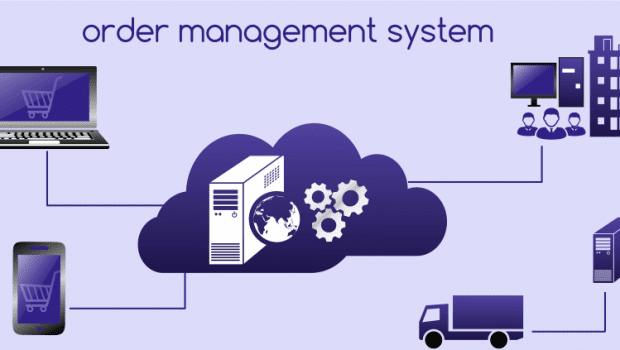

Effective order management is the key to running a successful business. However, many companies overlook this crucial operation. It leads to errors, inefficiencies, and dissatisfied customers. Order management involves tracking, processing, and delivering customer orders seamlessly.
When done poorly, it can result in financial losses and operational chaos. In this article, we will the hidden costs of poor order management and how you can avoid them by investing in effective OMS systems. Let’s move forward without further ado.
The Hidden Costs of Poor Order Management
Lost Revenue Due to Errors
Errors in order processing, such as shipping the wrong items or delivering to incorrect addresses, result in costly refunds and replacements. This reduces profit margins and increases operational expenses. Moreover, dissatisfied customers will reduce repeat purchases.
These revenue losses are often overlooked. However,r they can accumulate significantly over time. A single error might seem small, but when multiplied across multiple orders, it creates a considerable financial burden. You must recognize that accuracy in order management directly impacts profitability.
Damaged Customer Relationships
Delayed shipments, incorrect orders, or poor communication about order status can lead to frustrated customers. In a competitive market, you need to offer reliability and efficiency to stand out. When you fail to do so, your customers stop trusting you.
Negative experiences often result in bad reviews, which adversely affect the brand’s reputation. If left unnoticed, it will make it harder for you to attract new customers. Moreover, loyal customers may turn to competitors for better service.
Increased Operational Costs
Poor order management leads to inefficiencies. As a result, employees have to spend extra time correcting mistakes, tracking shipments, and handling customer complaints. This inefficiency increases labor costs and reduces productivity. Moreover, you may have to spend more to rectify errors or deal with inventory discrepancies.
Over time, these costs can get out of control, impacting overall profitability. Companies often underestimate how small inefficiencies add up and cause a significant financial strain. By addressing these operational inefficiencies, you can reduce costs and allocate resources more effectively.
Compliance Penalties and Legal Risks
If you are dealing with regulated products or international orders, poor order management can lead to violations of compliance standards. Missing documentation, incorrect labeling, or delayed shipments can lead to hefty fines and damage relationships with regulatory bodies.
Legal risks associated with non-compliance can also result in legal action against you. It further strains your business financially and affects its reputation. You should avoid these risks by ensuring their order management processes align with all regulatory requirements.
Inventory Mismanagement
Inadequate order management often results in poor inventory control. It causes overstocking or understocking. Overstocking results in unsold goods, which leads to storage costs and potential waste. On the other hand, understocking results in missed sales opportunities and dissatisfied customers.
Both scenarios create financial instability and disrupt cash flow. Moreover, you risk losing the competitive edge when you cannot meet customer demand due to inventory shortages. Effective inventory management, powered by accurate order tracking, ensures you maintain optimal stock levels.
How Can an Order Management System Help?
Investing in robust OMS systems can help a lot in reducing these costs. Here’s how it can help you.
Eliminates Errors and Reduces Revenue Losses
An Order Management System (OMS) automates order entry, inventory updates, and shipment tracking, processes. It significantly reduces the risk of human error. Automation ensures that the right products are shipped to the correct addresses. As a result, you can reduce revenue loss caused by errors.
Enhances Customer Relationships with Real-Time Updates
The OMS provides customers with real-time updates on their order status. This transparency builds trust and ensures they feel informed throughout the process. It also integrates with customer support platforms to solve complaints or answer inquiries promptly.
Streamlines Operations and Lowers Costs
The OMS optimizes workflows by automating repetitive tasks. This allows your staff to focus on higher-value activities, improving productivity and reducing labor costs. By improving operational efficiency, this system helps you save time and money.
Inefficient order management can lead to various hidden costs. However, you can avoid them by investing in a robust order management system. Make sure you search and compare multiple options to find the best software for your company.


 By
By

 By
By
 By
By
 By
By