
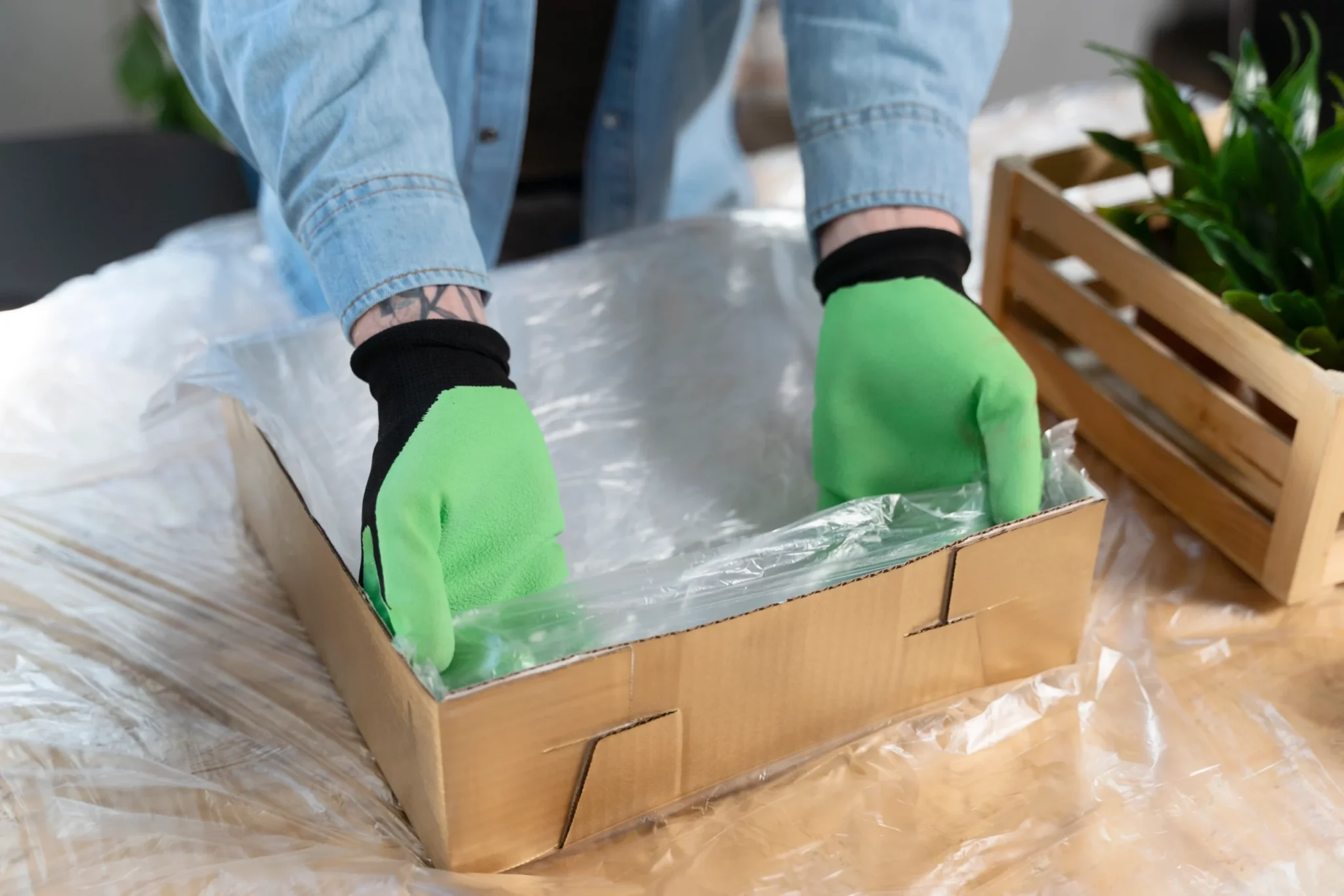

Humidity is a hidden threat to stored belongings, causing gradual, often irreversible damage like rust, mold, and warping. It affects everything from heirlooms to clothing and thrives in fluctuating moisture levels found in basements, attics, or storage facilities. Understanding and managing humidity is essential to protect your valuables.
Types of Items Most Susceptible to Humidity
Electronics and Technology
Electronic devices face serious risks in humid environments. Circuit boards corrode when exposed to excessive moisture, leading to malfunction or complete failure. Vintage electronics, computer equipment, and audio systems are particularly vulnerable because their internal components weren’t designed to withstand prolonged moisture exposure.
The adhesives used in electronic manufacturing can also break down in humid conditions, causing screens to separate from devices or internal components to shift out of place.
Clothing and Textiles
Natural fibers like cotton, wool, and silk absorb moisture readily, making them prime targets for mold and mildew growth. Leather items face dual threats—the material itself can crack and deteriorate, while the organic compounds that give leather its flexibility break down in humid conditions.
Wedding dresses, vintage clothing, and seasonal garments stored for months at a time are especially at risk. Even synthetic materials aren’t immune; they can develop musty odors that become nearly impossible to eliminate.
Paper Documents and Books
Paper products represent some of the most humidity-sensitive items you might store. Important documents, photographs, and books can yellow, warp, and become brittle when exposed to fluctuating moisture levels.
Photographs are particularly vulnerable because the emulsion layers can separate from their backing, causing permanent image distortion. Books may develop foxing—those brown spots that appear on aging pages—which significantly reduces their value and readability.
Wooden Furniture and Instruments
Wood naturally expands and contracts with humidity changes, but prolonged exposure can cause permanent warping, cracking, and joint separation. Antique furniture with delicate veneers or intricate joinery work faces the highest risk.
Musical instruments deserve special mention here. Pianos, guitars, and violins require stable humidity levels to maintain their sound quality and structural integrity. String tension can change with humidity fluctuations, affecting tuning stability and potentially causing neck warping in stringed instruments.
Metal Objects and Tools
While metal might seem impervious to humidity, it’s actually quite susceptible to corrosion. Tools, collectible items, and decorative metals can develop rust that not only affects appearance but also compromises functionality.
Even treated metals aren’t completely safe. Chrome can pit, aluminum can oxidize, and brass can develop patina—all accelerated by humid storage conditions.
Damage Caused by Humidity
Mold and Mildew Growth
Mold thrives in humid environments, requiring only moisture and organic matter to flourish. Once established, mold colonies spread rapidly and can permanently stain fabrics, paper, and wood surfaces. The musty odor associated with mold penetrates deep into materials and can be incredibly difficult to eliminate.
Mildew, mold’s surface-dwelling cousin, creates that familiar fuzzy appearance on organic materials. While sometimes reversible in early stages, advanced mildew growth often leaves permanent discoloration.
Rust and Corrosion
Metal corrosion accelerates exponentially in humid conditions. What might take years in dry environments can happen in months when humidity levels remain consistently high. Rust doesn’t just affect appearance—it weakens metal structure and can render tools and equipment unusable.
The corrosion process is particularly aggressive on dissimilar metals in contact with each other, creating galvanic corrosion that can destroy metal objects from connection points outward.
Warping and Structural Changes
Materials expand and contract at different rates when humidity fluctuates. This differential movement creates internal stresses that manifest as warping, cracking, or separation. Wooden furniture joints may loosen, book covers can curl, and artwork can buckle.
These structural changes often prove irreversible, fundamentally altering the item’s appearance and functionality.
Adhesive Breakdown
Many stored items rely on adhesives for their structural integrity. High humidity softens certain glues and causes others to become brittle. Labels may peel off documents, veneers can separate from furniture cores, and layered materials may delaminate entirely.
Tips for Protecting Stored Items from Humidity
Use Airtight Containers
Sealed containers create barriers between your items and ambient moisture. Heavy-duty plastic bins with tight-fitting lids work well for most items. For particularly valuable pieces, consider vacuum-sealed bags that remove air and moisture entirely.
When using airtight containers, ensure items are completely dry before sealing. Any trapped moisture will concentrate inside the container and potentially cause more damage than open-air storage.
Deploy Desiccant Products
Silica gel packets, commonly found in shoe boxes and electronics packaging, actively absorb moisture from the air. Commercial desiccants designed for storage applications can maintain low humidity levels in enclosed spaces for months.
Replace or reactivate desiccants regularly according to manufacturer instructions. Some products change color to indicate when replacement is needed, taking the guesswork out of maintenance.
Maintain Air Circulation
Stagnant air promotes mold growth and prevents moisture from dispersing naturally. Use fans or ensure storage spaces have adequate ventilation. Position items with space between them to allow air movement.
Avoid storing items directly against walls or floors where moisture might accumulate. Shelving units with slatted construction promote airflow around stored items.
Monitor Humidity Levels
Digital hygrometers provide accurate readings of storage space humidity. Ideally, storage areas should maintain 30-50% relative humidity. Levels above 60% create conditions favorable for mold growth, while extremely low humidity can cause brittleness in organic materials.
Check and record humidity levels regularly, especially during seasonal transitions when outdoor conditions change dramatically.
Regular Inspections
Schedule periodic inspections of stored items to catch humidity damage early. Look for discoloration, musty odors, or changes in texture that might indicate moisture problems. Early intervention can often prevent minor issues from becoming major losses.
Document the condition of valuable items with photographs during initial storage and subsequent inspections.
The Benefits of Climate-Controlled Storage Units
Professional climate-controlled storage facilities maintain consistent temperature and humidity levels year-round. These units protect against the seasonal fluctuations that cause the most damage to stored belongings.
For residents seeking reliable options, a climate-controlled storage unit like those available in West Jordan, UT, provides the stable environment necessary to preserve valuable items long-term. These facilities use sophisticated HVAC systems to maintain optimal conditions regardless of outdoor weather.
Climate-controlled units also offer additional benefits beyond humidity control. They typically feature better security measures, cleaner environments, and protection from pests that might be attracted to humid conditions.
Conclusion
Humidity damage is a preventable storage issue that can lead to costly losses. Protect your valuables by planning ahead, using proper protective measures, and considering climate-controlled storage for sensitive items. Prevention is more affordable than replacement, ensuring your belongings stay safe and intact.


 By
By

 By
By
 By
By