
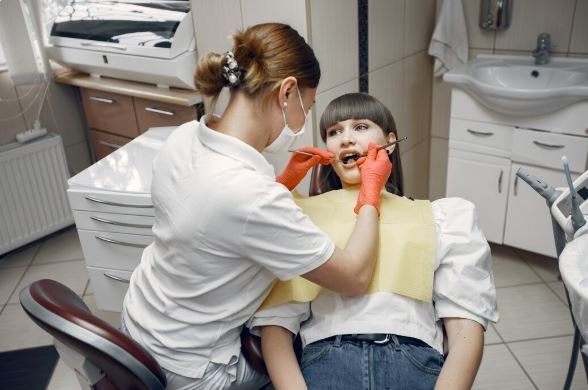

Dental implants can feel like a second chance. You trust them to last. That promise depends on you. Daily care and regular cleanings protect your mouth and protect the money and time you already spent. Poor brushing and skipped checkups invite infection. That infection can attack the bone that holds your implant. Once that support weakens, the implant can loosen or fail. This link between simple cleaning and long implant life is strong. It is also often ignored. You do not need special skills. You need clear steps, steady habits, and honest guidance from a Great Falls, MT dentist. This blog explains how plaque, gum disease, and smoking shorten implant life. It also shows how small changes in your routine can add many years to your implant. The goal is simple. Keep your mouth stable. Keep your implant strong. Keep your smile steady.
How Dental Implants Stay In Place
Dental implants copy the root of a natural tooth. A small post sits in the jaw bone. Bone grows around the post and locks it in place. Gums close around the post and protect the bone. When gums stay healthy, the bone stays firm. When gums grow infected, the bone can shrink. That shrinkage puts the implant at risk.
You control much of this process. Clean teeth and clean gums keep harmful germs low. Regular exams catch early changes in gum health. Prompt treatment then protects the bone before damage grows severe.
What Happens When Hygiene Slips
When you skip brushing or flossing, a thin film forms on teeth and on the implant crown. This film is called plaque. Plaque holds germs that feed on food left in your mouth. Over time plaque hardens into tartar. Tartar clings to the surface and pushes under the gum line.
This build up can cause:
- Red, sore, or bleeding gums
- Bad breath that does not fade after brushing
- Gum pockets that trap more germs
- Slow loss of bone around the implant
In natural teeth, this leads to gum disease. Around implants, it leads to peri implant disease. That disease can destroy bone and cause implant loss.
Daily Habits That Protect Implant Life
You can guard your implant with three simple habits.
- Brush twice a day. Use a soft toothbrush. Clean all sides of the implant crown and nearby teeth. Spend at least two minutes each time.
- Clean between teeth once a day. Use floss, interdental brushes, or water flossers as your dentist suggests. Focus on the spaces near the implant.
- Use low-strength fluoride toothpaste. Fluoride protects nearby natural teeth. That support keeps the whole bite stable.
The Centers for Disease Control and Prevention stresses that brushing with fluoride and cleaning between teeth lowers gum disease. Those same steps help protect implants from infection.
Professional Care And Implant Longevity
Home care helps each day. Professional care protects you over time. Regular visits allow the dental team to reach spots you miss and watch for early warning signs.
During routine visits, the dental team can:
- Measure gum pockets around the implant
- Take X rays to check bone height
- Remove tartar from hard-to-reach spots
- Review brushing and flossing technique
The National Institute of Dental and Craniofacial Research explains that gum disease often causes no pain early on. That silence makes regular checkups crucial. Quiet problems can grow for years. Early checks stop that slow damage around implants.
Risk Factors You Can Change
Some things raise the chance of implant problems. You can change many of them.
- Smoking. Tobacco slows healing and weakens gum response. It also dries the mouth.
- Poor blood sugar control. Uncontrolled diabetes raises infection risk.
- Teeth grinding. Constant force can strain the implant and the bone.
- High sugar snacks and drinks. Frequent sugar feeds plaque throughout the day.
You can work with your medical and dental teams to control these risks. Small shifts in daily choices can protect the implant and your general health at the same time.
Comparing Implant Care To Natural Tooth Care
Caring for an implant feels close to caring for a natural tooth. Yet some needs differ. The table below shows key points.
| Feature | Natural Tooth | Dental Implant |
|---|---|---|
| Support structure | Root with ligament | Titanium post in bone |
| Response to force | Slight natural give | Very firm with no give |
| Main threat | Cavities and gum disease | Gum infection and bone loss |
| Daily home care | Brush and floss | Brush and clean around the post |
| Need for dental visits | Routine cleanings and exams | Routine cleanings, implant checks, X-rays |
| Impact of hygiene | Tooth decay, fillings, extractions | Implant loosening, removal, new surgery |
Warning Signs That Need Fast Attention
Strong daily care and regular visits reduce risk. Problems can still arise. Early action can save the implant.
Contact your dentist soon if you notice:
- Bleeding around the implant when you brush or floss
- Swollen or tender gums near the implant
- Bad taste or pus near the implant
- Change in how your teeth touch when you bite
- Movement in the crown or the post
Prompt treatment can clean the area and protect the bone. Waiting can lead to painful and costly surgery.
Planning For A Long Lasting Implant
Dental implants can last many years. Many people keep them for life. The difference often rests in daily choices. You brush. You clean between your teeth. You show up for checkups. You watch for changes and speak up early.
These steps protect your health. They also protect your time, your savings, and your sense of comfort when you eat and smile. Your actions today shape how long your implant stays strong. You hold more control than you may think.

 By
By

 By
By

 By
By