
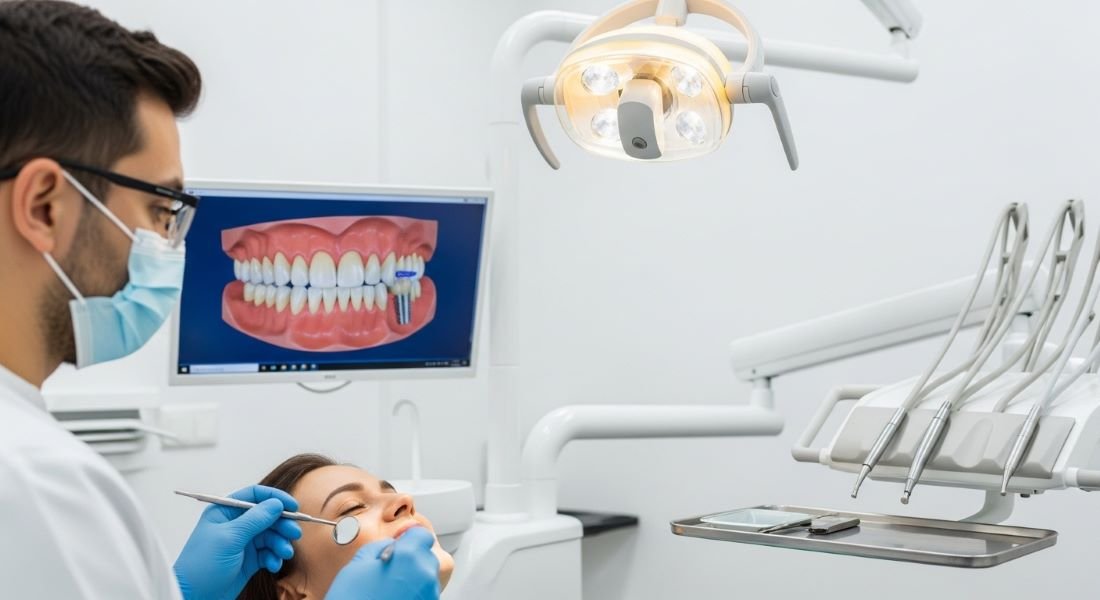

Long-term restorative success starts in the general dentist’s chair. You might think crowns, bridges, or Scottsdale dental implants do all the work. They do not. The real strength comes from steady general care that protects those restorations year after year. Your dentist checks how your teeth bite together, watches for tiny cracks, and finds gum problems before they threaten your investment. Regular cleanings remove the plaque that creeps around edges and gaps. Careful exams spot grinding, dry mouth, or decay that weaken even the best work. Every visit gives your dentist a chance to adjust, repair, or guide you. That steady attention keeps small issues from turning into painful emergencies. When you understand this link between routine general care and long-term success, you can protect your mouth, your comfort, and your wallet.
Why general dentistry matters after treatment
Restorative work gives you a second chance. General care decides how long that second chance lasts. You live with those fillings, crowns, bridges, or implants every day. Chewing, clenching, and bacteria test them every hour. A general dentist tracks how those forces change over time.
You gain three main protections.
- Protection of the tooth or implant structure
- Protection of the gums and bone that hold everything in place
- Protection of your bite so teeth and restorations work together
Without this steady watch, problems stay hidden until they hurt. By that point, you face higher costs and stronger treatment.
How general dentists protect your restorations
Routine visits are not simple “clean and check” visits. Each step guards your past treatment.
- Cleanings. The hygienist removes plaque and tartar near crowns, bridges, and implants. This lowers the risk of gum infection at work.
- X rays. Images show decay under old fillings, gaps under crowns, or bone loss around implants. You cannot see these at home.
- Bite checks. The dentist studies how your teeth meet. High spots or rubbing surfaces can crack porcelain or loosen cement.
- Gum exams. Gum pockets around teeth or implants can signal early disease. Early care can save bone and prevent failure.
- Wear checks. Flattened edges, chipped corners, or jaw soreness can signal grinding. Night guards protect both natural teeth and restorations.
The Centers for Disease Control and Prevention explains that untreated oral disease leads to tooth loss. General care slows this damage and gives your previous treatment a longer life.
Your home care role in long-term success
Your habits between visits matter as much as the work in the office. Restorations do not decay. The teeth and gums around them do. You control that risk every day.
Key steps include three simple habits.
- Brush twice a day with fluoride toothpaste
- Clean between teeth and under bridges with floss or special brushes
- Use any mouth rinse your dentist recommends
These steps sound basic. They guard expensive treatment from slow damage. The National Institute of Dental and Craniofacial Research shows that daily fluoride and cleaning between teeth lowers decay risk for all ages.
Common restorative treatments and how long they last
No treatment lasts forever. General care can add many years. The ranges below are averages, not promises. Strong home care and regular visits push your results toward the high end.
| Type of restoration | Typical life with poor care | Typical life with strong general care | Main threats over time |
|---|---|---|---|
| Tooth colored filling | 3 to 5 years | 8 to 12 years | New decay at edges. Cracks from heavy bite. |
| Crown | 5 to 8 years | 10 to 15 years or longer | Decay at the gum line. Gum disease. Grinding. |
| Bridge | 5 to 7 years | 10 to 15 years | Decay of support teeth. Bone loss. Bite changes. |
| Dental implant crown | May fail early without care | 15 years or longer | Gum and bone infection around the implant. |
| Partial denture | 3 to 5 years | 7 to 10 years | Loosened clasps. Gum changes. Breakage. |
These numbers show one clear pattern. General care and home care extend the life of every kind of work.
Special care for crowns, bridges, and implants
Crowns, bridges, and implants often protect teeth that have had deep decay or past trauma. They carry more risk and need sharper attention.
For crowns you should:
- Brush gently at the gum line where decay starts
- Use floss or small brushes to clean where teeth meet
- Tell your dentist about any sharp edge or sudden change in bite
For bridges you should:
- Use floss threaders or water cleaners under the false tooth
- Keep the support teeth clean from all sides
- Watch for food trapping or odor under the bridge
For implants you should:
- Clean around the implant daily
- Schedule checks to measure gums and bone
- Report any bleeding, swelling, or movement right away
These steps cut the risk of gum infection at work. That protects the bone that holds crowns, bridges, or Scottsdale dental implants in place.
How general care protects your whole health
Your mouth is part of your body. Infections there do not stay put. Ongoing gum disease is linked to heart strain and blood sugar problems. Broken teeth affect what you can eat. Pain affects sleep and mood. General dentistry visits give you a regular check on this hidden pressure.
During each visit, your dentist can:
- Spot signs of dry mouth from medicines
- Check for mouth sores that need testing
- Adjust your care plan as your health changes
These steps protect more than teeth. They protect your daily strength and your ability to enjoy food and speech.
When to call your general dentist between visits
You do not need to wait for your next cleaning if something feels wrong. Early calls prevent sudden damage to past work. Reach out if you notice three clear warning signs.
- Sensitivity or pain when you bite on a restored tooth
- Red, puffy, or bleeding gums around a crown, bridge, or implant
- Chips, cracks, or looseness in any restoration
A simple polish, bite adjustment, or small repair can save a crown or implant from full failure. Quick action keeps treatment shorter and less costly.
Making long term success your goal
Restorative work repairs damage. General dentistry defends that repair for the long haul. When you keep regular visits, follow home care steps, and speak up early about changes, you give your mouth the strongest chance to stay stable.
You deserve teeth that feel steady and free of pain. General care gives your restorations that chance year after year.


 By
By


 By
By