
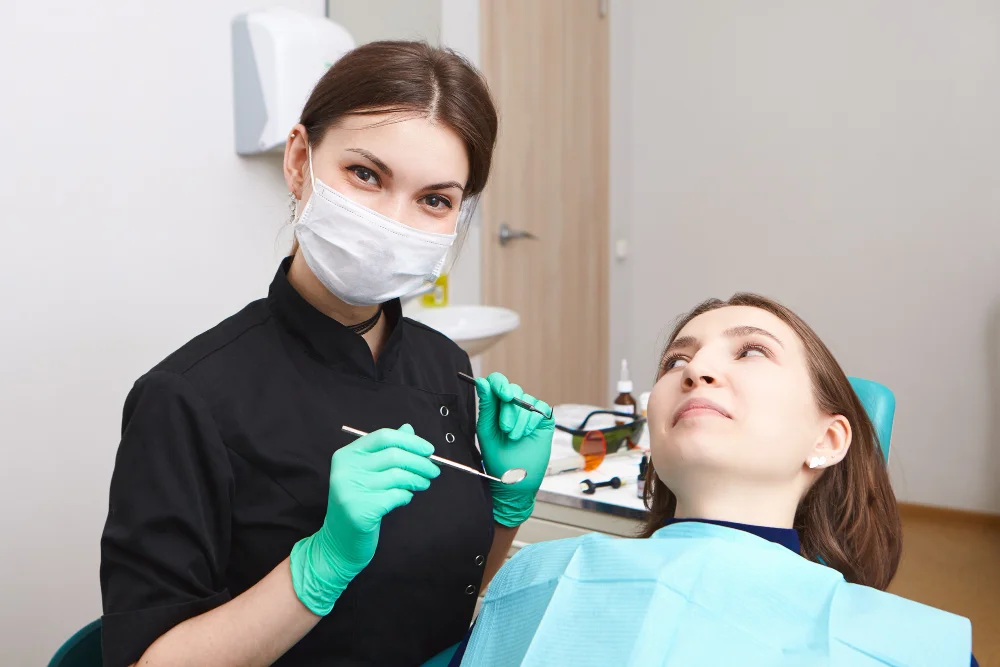

Your smile carries your history. Age changes your teeth and gums, but problems are not a normal part of growing older. Small issues can turn into pain, infection, and tooth loss. They can also affect your heart, lungs, and blood sugar. Preventive dentistry stops many of these problems before they start. Regular cleanings, simple exams, and early treatment protect your bite, speech, and comfort. They also help you eat well and stay social. Many seniors feel guilt or shame about past neglect. You may think it is too late. It is not. Each visit is a fresh start. A dentist in Ballston, Arlington, VA can spot early signs of decay, gum disease, dry mouth, and oral cancer. Then you can act early. This blog explains how steady prevention supports your health, lowers urgent visits, and keeps your smile strong through every stage of aging.
How Aging Changes Your Mouth
Growing older affects more than your joints. It reshapes your mouth. You may face three common shifts.
- Gums pull back and expose roots.
- Saliva flow drops and causes dry mouth.
- Grip, eyesight, and memory change daily care.
Receding gums expose softer root surfaces. These surfaces decay faster than enamel. Dry mouth makes chewing hard and lets germs grow. Daily brushing may feel hard if your hands shake or your back hurts. Memory loss can lead to skipped brushing and missed visits. None of this is your fault. Yet these changes raise your risk for cavities, gum disease, and infection. Preventive care steps in early and keeps damage from spreading.
Why Prevention Matters For Your Whole Body
Your mouth is part of your body. Infection in your gums does not stay put. It can enter your blood and strain your heart and lungs. The Centers for Disease Control and Prevention explains that poor oral health can be linked to diabetes and heart disease.
Preventive dentistry protects three parts of your health.
- Body health. Healthy gums support heart and lung health.
- Nutrition. Strong teeth help you chew fruits, vegetables, and proteins.
- Mood and social life. A pain-free smile supports talking, laughing, and daily joy.
When you control oral disease early, you lower hospital visits and emergency room trips. You also cut the need for strong pain drugs. That protects balance and thinking.
Key Preventive Dental Services For Seniors
Preventive care is not complex. It is steady and simple. A typical plan includes three main services.
- Regular exams. Your dentist checks teeth, gums, bite, and soft tissue.
- Professional cleanings. Hygienists remove plaque and tartar that brushing misses.
- Screenings. Your team checks for oral cancer, dry mouth, and gum disease.
The National Institute of Dental and Craniofacial Research offers clear guides for older adults at NIDCR Oral Health for Older Adults. These guides support you between visits.
Your dentist may also suggest fluoride treatments or prescription toothpaste. These strengthen tooth surfaces and reduce new cavities. You may receive simple sealants on roots with a high risk of decay. Each step adds another layer of safety.
Home Care Habits That Protect Your Smile
What you do at home matters as much as what happens in the chair. Focus on three steady habits.
- Brush twice daily with fluoride toothpaste.
- Clean between teeth daily with floss or small brushes.
- Rinse with alcohol free mouthwash if your dentist recommends it.
If arthritis or weakness makes brushing hard, ask about electric toothbrushes and larger handles. If memory is a concern, tie brushing to another daily task. For example, brush after breakfast and after your favorite evening show. Simple routines protect your independence.
Common Oral Problems In Seniors And How Prevention Helps
Many older adults face the same three problems. Preventive care lowers the impact of each one.
| Condition | Early Warning Signs | Preventive Steps |
|---|---|---|
| Tooth decay | New sensitivity, dark spots, food sticking | Fluoride, cleanings, low sugar snacks, regular exams |
| Gum disease | Bleeding gums, bad breath, loose teeth | Daily brushing and flossing, deep cleanings, quit tobacco |
| Dry mouth | Sticky feeling, trouble chewing or swallowing | Sip water, review medicines, saliva substitutes, sugar-free gum |
Early signs are often quiet. You may feel only mild soreness or a small change in taste. Regular visits help catch these shifts while treatment is still simple and low cost.
Dentures, Implants, and Bridges Still Need Prevention
Many seniors think oral care ends once natural teeth are gone. That belief causes harm. Gums, tongue, and bone still need care. So do dentures and implant crowns.
- Clean dentures every day and remove them at night.
- Brush implants and bridges like natural teeth.
- Ask your dentist to check fit, bite, and sore spots at every visit.
Poorly cleaned dentures can cause fungal infections and painful sores. Loose dentures can rub and lead to weight loss because eating becomes hard. Implants can develop gum infection if plaque builds up. Preventive visits keep these devices working for many years.
Working With Your Medical Team
Many seniors take several medicines. Some drugs dry your mouth or thin your blood. That changes how your mouth reacts to treatment. Bring an updated medicine list to each dental visit. Include pills, inhalers, and over-the-counter products.
Your dentist may talk with your doctor about heart conditions, joint replacements, or blood thinners. That teamwork keeps you safe during cleanings and minor procedures. It also helps plan the best timing for treatment around other care.
Planning Regular Visits And Overcoming Barriers
Staying on a schedule is hard when you face money limits, transport problems, or fear. Still, you have options.
- Ask about senior discounts or payment plans.
- Use community transport or family support for rides.
- Talk openly about fear so your team can slow the pace and explain each step.
Try to schedule preventive visits twice a year. Some people with diabetes or gum disease may need more frequent cleanings. Your dentist will guide you.
Taking The Next Step
Your mouth reflects your life story. It shows every smile, every shared meal, every word. You deserve comfort, not constant pain or worry. Preventive dentistry gives you control. It turns fear into a clear plan.
Start with one choice. Schedule an exam. Bring your questions and your concerns. Ask for a simple written plan for the year. With steady care and support, you can protect your smile and your health at every age.

 By
By
 By
By

 By
By