
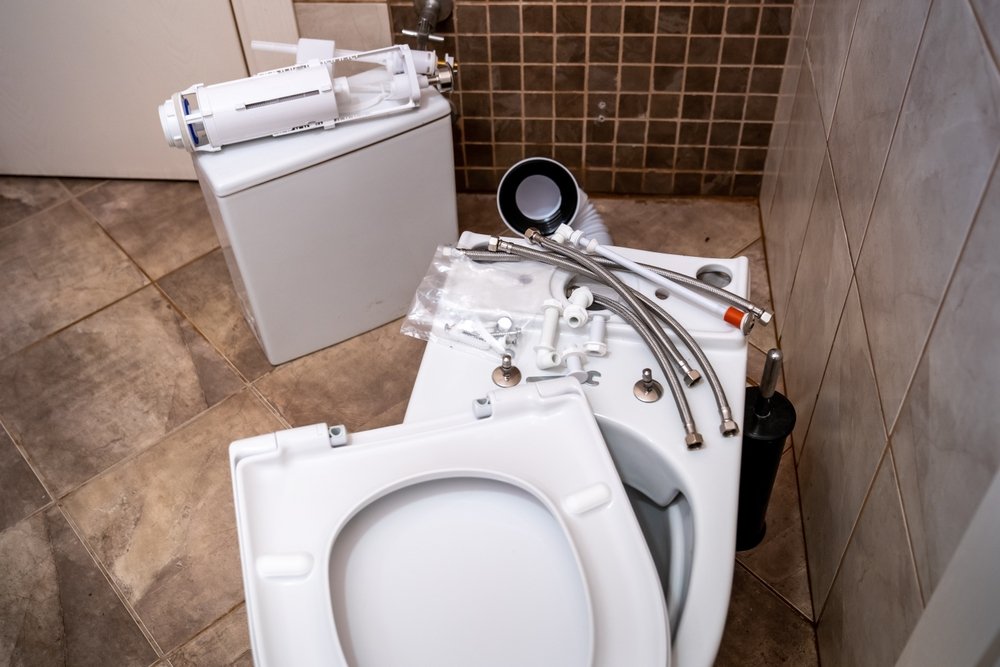

If you don’t understand how a toilet system works, you’re not alone. As essential fixtures, toilets play a key part in residential plumbing. Whether you’re a homeowner, DIY enthusiast, or just curious, this guide will explain how a toilet operates—from basic functions to complex mechanisms. For expert help, a skilled plumber in Fredericksburg, VA, is always available to keep everything running smoothly.
The Simple Mechanics Behind Every Flush
Every time you flush, a series of simple yet precise mechanisms work together to clear the bowl and refill it for the next use. Here’s how the key components come into play:
- Tank: Holds water for each flush.
- Bowl: The main area for waste disposal.
- Flush Mechanism: The handle or button that triggers water flow.
- Trapway: A curved pipe that keeps water (and sewer gases) from returning to the bowl.
- Fill Valve and Float: Control tank refilling to maintain the water level.
When you press the handle, the water in the tank flows into the bowl, forcing waste down through the trapway. The fill valve then refills the tank for the next flush. It’s a clean, efficient process—until something goes wrong.
Types of Toilet Systems: Find the Best Fit for Your Home
Each toilet system has its strengths and challenges. Knowing the difference can help you choose one that fits your home’s needs.
Gravity-Flush Toilets
The most common model found in homes worldwide, gravity-flush toilets rely on gravity to clear the bowl. When you flush, water flows down the tank to create a siphon that pulls waste through the trapway.
- Pros: Reliable with few moving parts, quiet, and easy to maintain.
- Cons: Uses more water than newer, high-efficiency models; may lack power for larger households.
Pressure-Assisted Toilets
For a stronger flush, pressure-assisted toilets contain an air-pressurized tank. When flushed, the pressure adds force, clearing the bowl more powerfully.
- Pros: Great for homes with frequent use; reduces clog risk.
- Cons: Louder operation and potential for higher repair costs.
Dual-Flush Toilets
A popular option for water savings, dual-flush toilets offer two flush options: a low-volume flush for liquids and a full-volume flush for solids.
- Pros: Saves water and reduces utility costs.
- Cons: More complicated mechanics may lead to occasional button or lever issues.
Common Toilet Issues and Simple Troubleshooting
Toilets can develop issues from everyday wear. Recognizing early signs can prevent small problems from turning into big repairs.
- Running Toilet: Often due to a worn-out flapper or faulty fill valve. Replacing these can usually solve the problem and save water.
- Weak Flush: Low water levels, a partially blocked trapway, or debris buildup could be the culprit. Check water levels and clean the bowl.
- Slow Refill: A clogged or faulty fill valve often causes this. Replacing it should restore normal function.
Regular maintenance is key to avoiding these issues, but a quick inspection can often reveal minor problems that are easy to fix.
Tips for Maintenance: Keep Your Toilet Running Smoothly
Like any fixture, toilets benefit from occasional upkeep. Here are some practical steps:
- Clean Weekly: Regular cleaning prevents mineral buildup, which can affect performance. Use gentle, non-abrasive cleaners.
- Inspect Annually: Look at the flapper, fill valve, and other moving parts for signs of wear. Replace any worn parts to prevent leaks.
- Skip Harsh Chemicals: Avoid bleach tablets and harsh chemicals that can degrade parts over time, leading to costly repairs.
By spending a few minutes each week on maintenance, you can keep your toilet working efficiently and avoid surprises.
Emergency Plumbing Considerations
Emergency plumbing services may be necessary should major leakages or backups occur. These generally call for fixing fast to prevent water damage or health risks. Plumbing emergency services run 24/7 to fix critical issues, including problems related to a septic system heavy rain, putting back your toilet system into working order.
Vital Takeaways
From choosing the right type to troubleshooting common problems, understanding the basics of toilet systems can make life simpler. Here’s a recap:
- Choose Wisely: Pick a toilet system that fits your household size, water use, and maintenance preferences.
- Save Water: High-efficiency or dual-flush toilets reduce water waste and save on bills.
- Stay Ahead on Maintenance: A little care can prevent big repairs, so don’t wait for issues to worsen.
A well-functioning toilet is crucial to comfort and hygiene. By knowing how your toilet system works, you can take action more effectively should something go wrong. For any plumbing concerns, get in touch with a reliable plumbing company to keep your plumbing functional and problem-free.


 By
By
 By
By


 By
By