
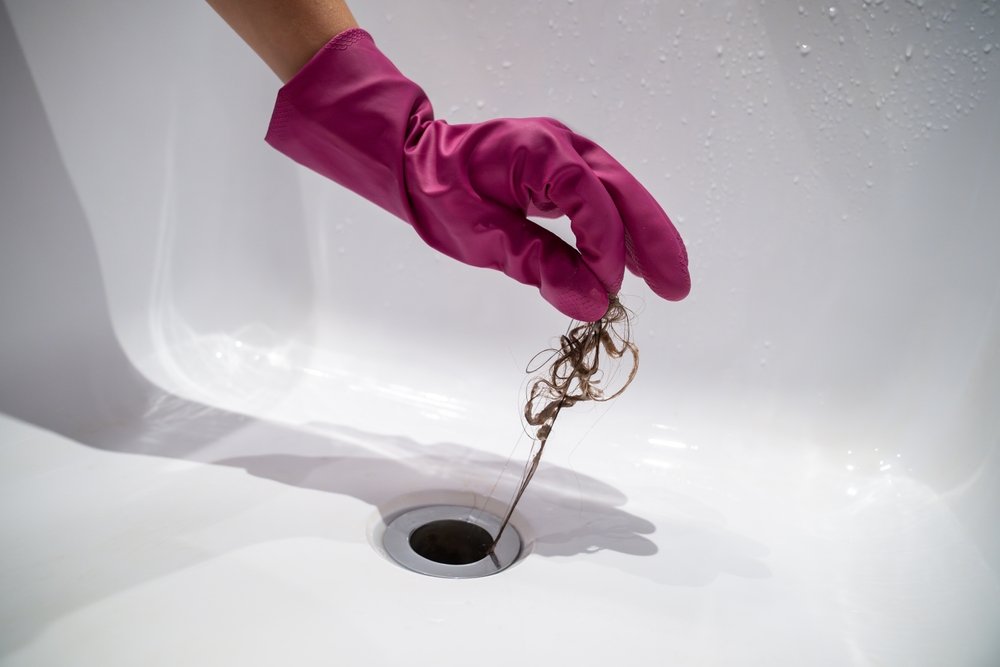

Clogged drains have plagued homeowners since the inception of indoor plumbing. While most point to hair and food waste as the main causes, the truth is that unconventional causes can also lead to drainage issues. Let’s explore other unexpected causes that lead to clogged drains:
The Sneaky Factors Behind Clogs
Clogs can form because of the most unusual causes. The following section details the unconventional suspects that can wreak havoc on your plumbing:
1. Mineral Buildup
When minerals like calcium and magnesium accumulate inside pipes, they can create significant problems, such as:
- Reduced Flow: Pipe diameter narrows because of mineral buildup, resulting in restricted water flow. You might notice that your taps don’t deliver water as freely as they once did.
- Pressure Problems: When water struggles to push through mineral-laden pipes, it can create pressure that leads to leaks or bursts.
2. Tree Roots
You might not think of tree roots as a plumbing issue, but they are drawn to moisture. Roots can infiltrate sewer lines, causing blockages that disrupt your drainage system.
- How to Spot Trouble: If your home frequently experiences backups or slow drainage, consider that roots may have found their way into your pipes.
- Long-Term Solutions: In severe cases, you may need to remove the offending tree or employ specialized equipment to cut through the roots.
3. Soap Scum
You may enjoy a nice, hot shower, but that soap could be setting you up for trouble. Soap scum forms when soap mixes with minerals in hard water, leaving a stubborn residue.
- The Build-Up: Over time, this film can cling to your pipes, narrowing their diameter and leading to clogs.
- Preventive Measures: Switching to liquid soap or using softer water can reduce soap scum accumulation.
4. Flushing Non-Flushable Items
People often flush items they shouldn’t. This behavior can result in stubborn blockages.
- Common Offenders: Wet wipes, dental floss, and even feminine products can create significant problems when flushed.
- Educating Family Members: Make it a household rule to only flush human waste and toilet paper. A simple sign in the bathroom can serve as a helpful reminder.
5. Starchy Foods
Certain food items are especially troublesome. Think twice before rinsing those starchy leftovers down the sink.
- Common Problems: Foods like potatoes, rice, and pasta can swell in water, forming a gooey mass that blocks pipes.
- Better Practices: Use a sink strainer to catch food particles, and compost scraps instead of washing them away.
Recognizing the Signs of Clogged Drains
So how do you know when your drains need immediate attention? Keep an eye out for these signs:
- Slow Draining Water: If water pools in your sink or bathtub, that’s a warning sign. It indicates that something is obstructing the flow.
- Unpleasant Odors: Foul smells from your drains often indicate trapped debris or stagnant water, which can signal a clog.
- Frequent Clogs: If you find yourself plunging more often than usual, your plumbing system may be sending you a message.
The Importance of Timely Action
Timely action is not a mere marketing ploy. Calling a professional for timely drain cleaning can make all the difference in resolving a clog. Here’s why acting quickly matters:
- Prevent Further Damage: When a small clog escalates, it can lead to cracks or breaks in your pipes. The longer you wait, the more likely you’ll face extensive repairs.
- Health Hazards: Stagnant water can become a breeding ground for bacteria. Delays in addressing clogged drains can result in unpleasant odors and even health risks.
- Cost Savings: Early intervention can save you from more expensive repairs. Fixing a simple clog now is far less costly than dealing with water damage or extensive plumbing work later.
Tips for Prevention
Taking preventative measures can save you headaches and money in the long run. Here are some strategies to keep your drains clear:
- Regular Maintenance: Schedule periodic drain cleaning to remove buildup before it becomes a problem. This proactive approach can keep your pipes flowing smoothly.
- Mind What You Flush: Educate your family about what’s safe to flush. Only toilet paper should go down the toilet; everything else belongs in the trash.
- Use Drain Screens: Installing screens over your drains can catch debris before it slips down the pipes, preventing clogs.
The source of clogged drains goes beyond grease and hair. Knowing these unconventional causes empowers homeowners to take proper preventive measures. These, coupled with professional emergency repairs, will help keep you sustained with a clear, functioning plumbing system, resulting in the long-term health of drains and sewer lines.


 By
By
 By
By


 By
By