
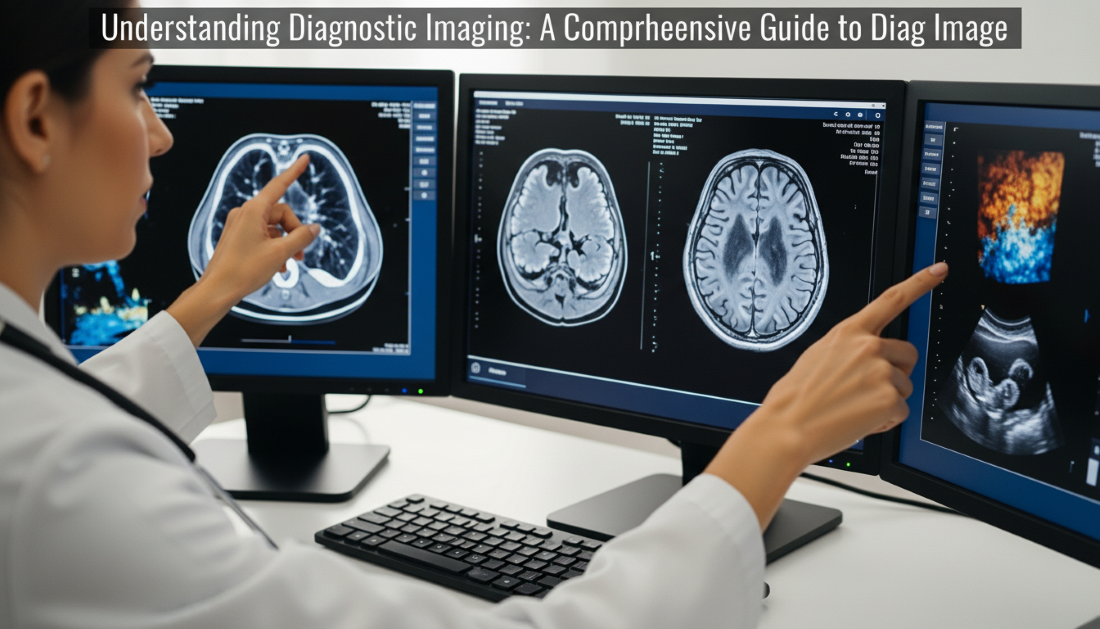

In the realm of modern medicine diagnostic imaging plays a crucial role in the accurate diagnosis and management of diseases. Often referred to as “diag image” these techniques include a variety of medical imaging modalities such as X rays MRI CT scans and ultrasounds.
This comprehensive guide delves into the world of diagnostic imaging exploring its types, applications , technological advancements and safety considerations.
Understanding Diagnostic Imaging
Diagnostic imaging encompasses a range of techniques used to create visual representations of the interior of a body for clinical analysis and medical intervention.
By providing detailed images of organs and tissues, diag images help healthcare professionals in making informed decisions about a patient’s condition and treatment plan.
Types of Diagnostic Imaging
X Ray Imaging
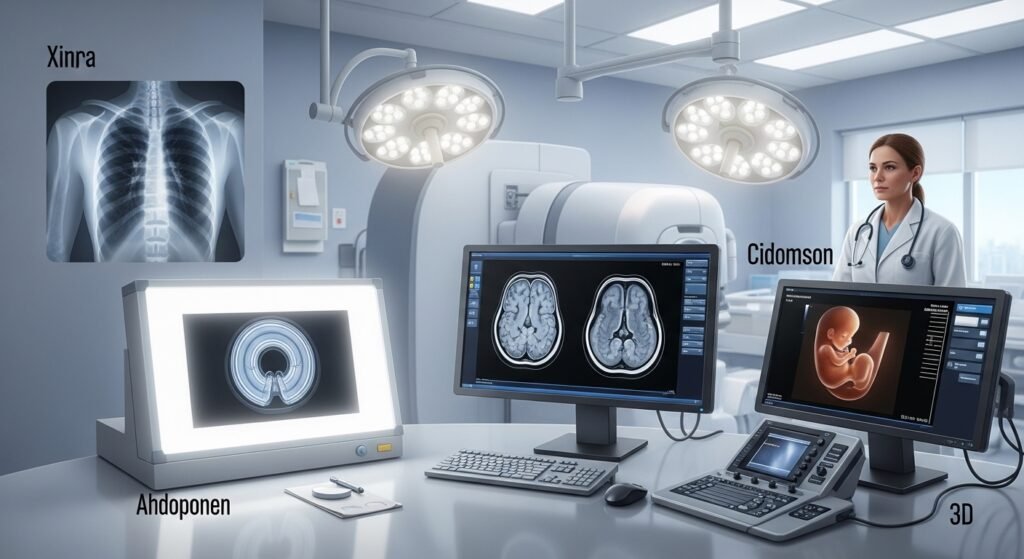
X ray imaging is one of the oldest and most commonly used diagnostic tools. It uses electromagnetic radiation to capture images of the inside of the body particularly useful for examining bones and detecting fractures.
MRI Imaging
MRI (Magnetic Resonance Imaging) utilizes powerful magnets and radio waves to produce detailed images of organs and tissues. Unlike X rays it does not use radiation making it a preferred choice for imaging soft tissues.
CT Scans
CT (Computed Tomography) scans combine multiple X ray images taken from different angles to create cross sectional views of bones and soft tissues. It is often used in trauma cases to quickly assess internal injuries.
Ultrasound
Ultrasound imaging uses high frequency sound waves to produce images of structures inside the body. It is widely used in obstetrics to monitor fetal development and in evaluating heart conditions.
PET scan
(Positron Emission Tomography). PET scans detect metabolic changes in the body and are particularly useful in diagnosing cancer monitoring treatment responses and evaluating brain function. Including PET scans ensures a more complete understanding of diag image types used in modern healthcare.
Applications in Healthcare
Diagnostic imaging is indispensable in healthcare aiding in the diagnosis of diseases monitoring treatment progress and guiding certain procedures. From detecting tumors to evaluating the effectiveness of therapies diag images provide essential insights that enhance patient care.
How Diag Images Improve Patient Care?
Beyond helping in diagnosis diag images play a direct role in improving patient outcomes:
- Faster Diagnosis: Real time imaging results allow doctors to make quicker decisions which is critical in emergencies.
- Better Accuracy: Advanced imaging reduces the chances of misdiagnosis and unnecessary procedures.
- Personalized Treatment Plans: Detailed images allow tailored interventions specific to a patient’s condition.
- Minimized Risk: Non invasive imaging reduces complications from exploratory surgeries or invasive tests.
Technological Advances
The field of diagnostic imaging is continually evolving with innovations such as AI in imaging enhancing image interpretation and portable imaging devices expanding access in remote areas. Additionally 3D imaging techniques are providing more detailed anatomical views improving diagnostic accuracy.
AI and portable imaging devices
Modern diagnostic imaging leverages AI powered analysis which can detect subtle abnormalities that might be missed by the human eye.
Portable imaging devices including handheld ultrasounds and mobile scanners are expanding access to diag images in remote or underserved areas. 3D imaging techniques provide more detailed anatomical views improving diagnostic accuracy and patient care.
Safety and Risks
While diagnostic imaging is generally safe there are concerns about radiation exposure from repeated X rays and CT scans. Efforts to minimize exposure include radiation dose reduction strategies and using alternative modalities like MRI and ultrasound when appropriate.
Interpreting Diag Images
The interpretation of diagnostic images is a specialized skill performed by radiologists. They analyze the images to identify abnormalities providing critical information that guides treatment decisions. Integration with Electronic Health Records (EHRs) ensures seamless access to imaging results for healthcare providers.
Conclusion
As a fundamental component of modern medicine diagnostic imaging provides critical insights that aid in the diagnosis and treatment of various medical conditions. With ongoing technological advancements the future of diag imaging promises even greater precision and accessibility.
For patients and healthcare professionals alike understanding the nuances of these imaging modalities is essential for effective medical care. To ensure the best outcomes always consult with your healthcare provider about the most appropriate imaging techniques for your needs.
FAQs
What is diagnostic imaging?
Diagnostic imaging refers to various techniques used to create images of the internal structures of the body for medical analysis.
How safe are diagnostic imaging procedures?
Most diagnostic imaging procedures are safe; however some involve radiation. It is important to discuss any concerns with your healthcare provider.
What should I expect during a diag imaging procedure?
The procedure varies by type but generally involves positioning the body and remaining still while images are taken.
How do I prepare for a diag imaging test?
Preparation depends on the specific test. For example fasting may be required for certain scans while others may necessitate wearing loose fitting clothing.
Can I get a diag image without a referral?
Usually a referral from a healthcare provider is necessary to undergo diagnostic imaging tests.


 By
By



 By
By