
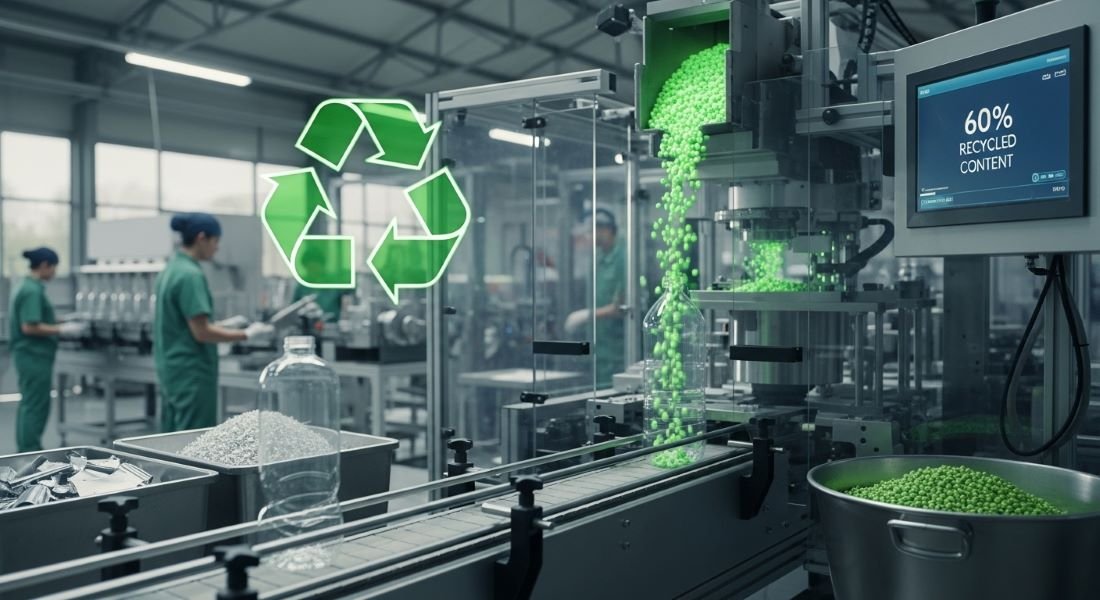

As the world shifts towards sustainable practices the concept of recyclatanteil has gained considerable attention in industries striving for environmental responsibility. But what does recyclatanteil mean and why is it crucial for sustainable development?
The article investigates the meaning of recyclatanteil by analyzing its importance and its assessment methods and industry standards and upcoming developments. The knowledge of recyclatanteil enables both manufacturing professionals and environmental advocates to create sustainable solutions for the future.
What is Recyclatanteil?
The term Recyclatanteil describes the percentage of recycled materials which manufacturers utilize to create new products and packaging materials. The metric serves as an essential environmental sustainability measure which companies use to demonstrate their ability to manage resources effectively.
The use of recycled materials allows manufacturers to decrease their greenhouse gas emissions while establishing a circular economy system which enables continuous recycling of all waste materials.
Importance of Recyclatanteil in Sustainability
The integration of recyclatanteil is vital for both environmental impact and economic efficiency. By utilizing recycled materials companies can:
- Reduce the demand for virgin materials conserving natural resources.
- Decrease energy consumption and greenhouse gas emissions associated with production.
- Enhance their brand image and meet growing consumer demand for eco friendly packaging and products.
- Contribute to circular economy goals by minimizing waste and promoting resource efficiency.
Recyclatanteil vs Recyclability
People often make the mistake of thinking that recyclatanteil and recyclability are the same thing because they do not understand that these two terms represent different concepts. The term recyclatanteil defines the fraction of recycled content which a product contains while recyclability establishes the criteria for determining whether a product can be recycled after its useful life ends.
A product may be recyclable but still contain no recycled material. A plastic bottle demonstrates full recyclability because it can be recycled yet its manufacturing process uses only virgin plastic materials. Industries achieve true sustainable development when they work to raise their recyclatanteil while enhancing their recyclability because these efforts enable materials to move through their circular production systems.
How Recyclatanteil is Calculated?
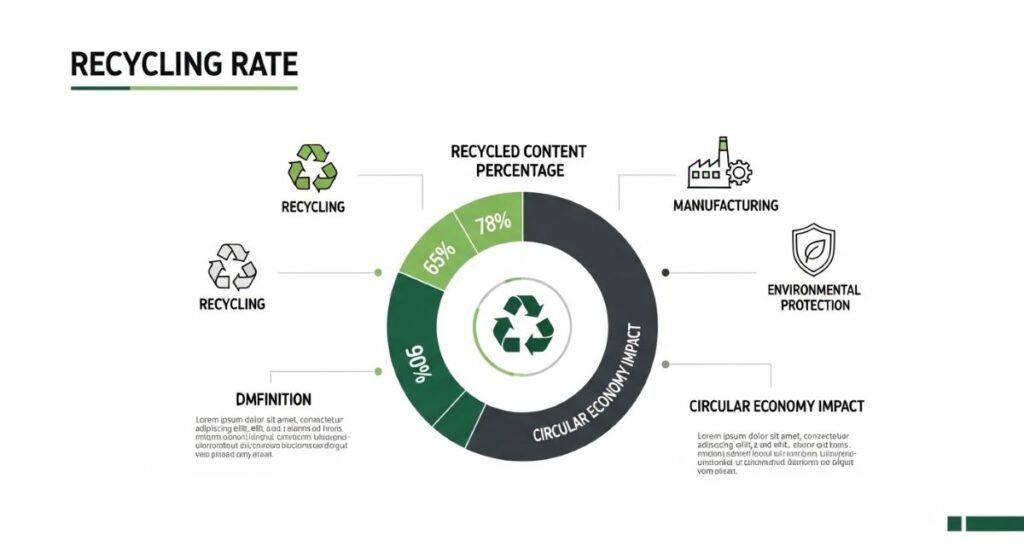
The recyclatanteil calculation requires the assessment of recycled content percentage against total material weight in a product. The following methods can be used to accomplish this goal:
Material Balance Method: The method establishes a cycle through which recycling materials get tracked from their entry point to their recycling output.
Mass Flow Analysis: The technique monitors material distribution to achieve precise recycled material measurement.
Certified Documentation: The process uses certifications like Recycled Content Certification to authenticate the recyclatanteil calculation.
Industry Standards and Regulations
Companies need to follow industry standards because these standards serve as compulsory requirements which must be fulfilled for their recycling percentage objectives. The following regional regulations exist which establish particular requirements for different areas:
European Union: The EU has stringent regulations which require recyclatanteil targets to be achieved according to its Green Deal objectives.
United States: Various state level mandates encourage the use of recycled content in packaging and products.
Standards acquisition allows companies to maintain compliance while securing their position to compete in international markets.
Industries Where Recyclatanteil Is Most Important
Recyclatanteil plays an important role across multiple industries where sustainability and resource efficiency are priorities.
Packaging Industry: Plastic bottles containers and paper packaging increasingly incorporate recycled materials to meet environmental regulations and reduce plastic waste.
Automotive Industry: Car manufacturers are integrating recycled metals plastics and textiles into vehicle components to reduce environmental impact.
Construction Sector: Building materials such as concrete steel and insulation can contain recycled aggregates and materials that lower the environmental footprint of construction projects.
Consumer Goods and Electronics: Many household products and electronics now include recycled materials to meet sustainability commitments and growing consumer demand for environmentally responsible products.
Benefits of Increasing Recyclatanteil
Increasing recyclatanteil offers numerous advantages:
Environmental Benefits: Mitigating climate change by reducing reliance on fossil fuels and lowering emissions.
Economic Benefits: Long term cost savings from decreased raw material expenses and improved resource efficiency.
Consumer Appeal: Meeting consumer preferences for sustainable products can enhance market share and brand loyalty.
Challenges and Solutions in Implementing Recyclatanteil
Despite its benefits increasing recyclatanteil poses challenges:
Quality Concerns: Maintaining product quality with recycled materials can be difficult. Innovative recycling technologies are addressing this issue by improving material properties.
Supply Chain Complexity: Securing a consistent supply of high quality recycled materials requires robust supply chain management.
Solutions include investing in green technology and fostering partnerships with recycling facilities to ensure a steady flow of quality recycled inputs.
Case Studies of High Recyclatanteil Products
Several companies have successfully integrated high recyclatanteil into their products:
Nike: Known for its initiatives in sustainable materials Nike has developed shoes with recycled polyester and rubber.
Unilever: The company is committed to using 100% recyclable plastic packaging by 2025 enhancing recyclatanteil across its product lines.
Common Misconceptions About Recyclatanteil
One common misconception is that products made with recycled materials are always lower in quality. In reality advancements in recycling technology have significantly improved the strength and reliability of recycled materials.
Another misconception is that increasing recyclatanteil is too expensive. While some adjustments in manufacturing processes may require initial investment many companies experience long term savings due to reduced dependence on virgin raw materials and improved resource efficiency.
Conclusion
Recyclatanteil is not just a metric but a crucial component of sustainable manufacturing and environmental impact reduction.
By understanding and implementing higher recyclatanteil companies can achieve both ecological and economic benefits while aligning with consumer preferences and regulatory standards. As technology advances and the circular economy gains momentum, increasing recyclatanteil will play an integral role in shaping a sustainable future.
FAQs
What does recyclatanteil mean?
Recyclatanteil refers to the proportion of recycled materials in a product or packaging.
How does recyclatanteil impact sustainability?
It reduces resource consumption and environmental impact promoting a circular economy.
How can companies increase their recyclatanteil?
By investing in recycling technologies and securing a stable supply of quality recycled materials.
What are the challenges in implementing recyclatanteil?
Challenges include maintaining product quality and managing supply chain complexities.
Are there any certifications for recyclatanteil?
Yes certifications like Recycled Content Certification verify the recyclatanteil in products.


 By
By

 By
By
 By
By
 By
By