
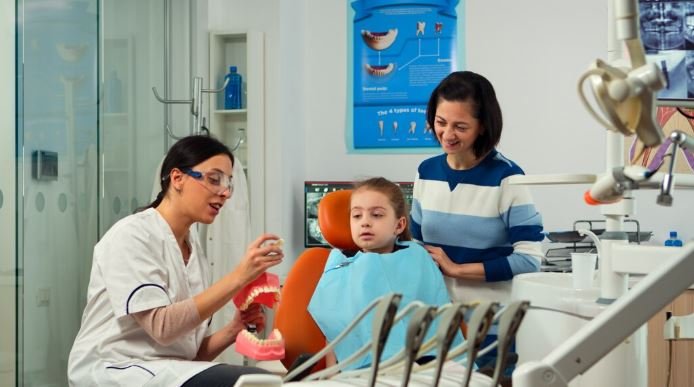

Choosing where your child receives dental care shapes how they feel about every visit that follows. A dental center built for children gives you structure, support, and clear answers. You do not have to juggle multiple offices or repeat your child’s history again and again. Instead, you get one trusted team that knows your child and grows with your family. A pediatric focus also means shorter visits, calmer rooms, and tools that fit small mouths. Your child learns that the chair is not a threat. You learn what to watch for at home. An Englewood Cliffs dentist in a dedicated center can guide you through early checkups, urgent visits, and long term planning. This blog explains five concrete benefits you gain when you choose a dental center for pediatric dentistry so you can protect your child’s teeth with less stress and more control.
1. One home for every stage of your child’s care
A dental center for children brings many services into one place. You and your child see the same doors, faces, and hallways each time. That builds trust and lowers fear.
In one center you can usually find:
- Routine exams and cleanings
- X rays when needed
- Fluoride treatments and sealants
- Fillings and simple extractions
- Guidance on braces or jaw growth
This kind of setup helps you plan. You schedule fewer visits at fewer places. Your child spends less time in transit and more time in school or play.
The care team also tracks changes over years. The same group sees the first baby tooth, the first cavity, and the first adult tooth. That history gives early warning when something looks off. It also supports quick action when you face pain, injury, or infection.
2. Staff who focus on children every day
Children need a different approach than adults. They have smaller mouths, shorter attention spans, and strong fears. A pediatric center understands this and builds everything around it.
Teams in these centers train in child behavior and child growth. They learn how teeth and jaws change from birth through the teen years. They also learn how to talk with children in clear, honest words.
That focus leads to three gains for you:
- Fewer surprises during visits
- Clear steps for home care
- Early spotting of growth or speech issues tied to teeth
The American Academy of Pediatric Dentistry states that regular care from trained pediatric teams helps lower decay and supports healthy habits. A center that follows these guides gives your child strong protection.
3. Child-centered spaces that reduce fear
The room matters as much as the tools. A pediatric dental center shapes the space around a child’s senses. That helps ease fear and lowers stress for you and your child.
Many centers use three simple design choices:
- Quiet waiting rooms with simple toys or books
- Smaller chairs and tools that fit children
- Soft lights and clear sounds so nothing feels harsh
Staff also use “tell, show, do.” They tell your child what will happen in plain words. They show the tool on a finger or a toy. Then they do the work in the mouth. That slow, honest pattern teaches your child that care is safe.
The result is fewer tears, less fight, and less strain on you. Visits become short lessons in courage, not long battles. That shapes your child’s view of health care for life.
4. Strong focus on prevention and parent coaching
Good pediatric centers treat today’s problem and also protect tomorrow’s smile. They use every visit to teach simple steps that prevent decay and pain.
According to the Centers for Disease Control and Prevention, tooth decay is common in children. Yet it is also preventable. A dental center that trains you in daily habits reduces risk.
You can expect help with three basic skills:
- How to brush and floss your child’s teeth by age
- How snacks and drinks affect teeth
- How to use fluoride and sealants when needed
You also get straight talk about thumb sucking, pacifiers, and mouth guards. Each visit ends with clear steps you can use that same day at home. That structure turns you into your child’s daily coach.
5. Better coordination and lower long-term costs
One center keeps records in one place. Every exam, X-ray, and treatment sits in the same file. That reduces repeat tests and cuts mix-ups.
This kind of setup supports:
- Faster answers when your child has pain
- Safer care if your child needs medicine or has allergies
- Clear plans if your child needs braces or surgery later
Early and steady care also protects your budget. Small cavities cost less to fix than root canals or extractions. Straightforward guidance helps you avoid emergency visits that strain time and money.
Sample comparison of care options
The table below shows common differences you may see when you compare a general office and a pediatric dental center. Each office is unique. Still, these patterns can guide your choice.
| Feature | General dental office | Pediatric dental center |
|---|---|---|
| Typical age focus | Adults and some children | Infants, children, teens |
| Staff training | General dental care | Child growth, behavior, special needs |
| Office design | Standard size chairs and tools | Child size chairs, tools, and waiting room |
| Prevention focus | Standard advice | Age-based coaching for child and parent |
| Care coordination | May refer out for many services | Many services in one center |
| Support for anxious children | Basic support | Structured steps to reduce fear |
How to choose the right pediatric dental center
When you look for a center, focus on three checks.
- Ask about training with children, including those with special health needs.
- Look at the space. Picture your child in the waiting room and in the chair.
- Listen during the first visit. You should leave with clear next steps and honest answers.
You carry a heavy load as a parent. A strong pediatric dental center lifts part of that weight. It gives your child steady care, gives you clear guidance, and protects your time and money. That choice shapes not only your child’s smile, but also your child’s sense of safety and strength during every visit that comes next.


 By
By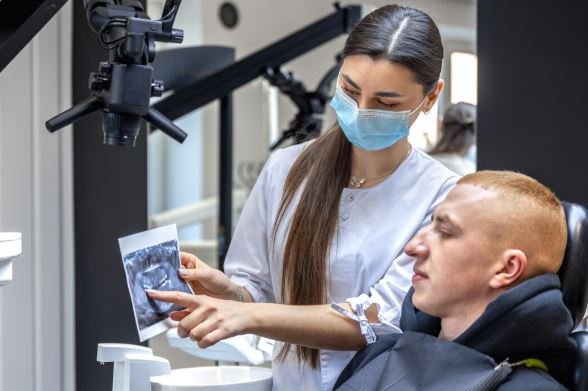

 By
By