


Key Takeaways & Executive Summary
- Hot-Spot Mitigation: Advanced bypass diode architectures prevent catastrophic reverse-bias cell heating when partial shading occurs.
- Half-Cut Cell Architecture: Splitting solar cells into parallel sub-strings reduces resistive power losses and preserves up to 50% power output under partial shading.
- MPPT Telemetry Optimization: Intelligent maximum power point tracking algorithms continuously identify global maximum power peaks across non-uniform irradiance curves.
Going off-grid isn’t just a lifestyle choice—it’s a commitment to energy independence. But while off grid solar systems promise autonomy, their performance can be compromised by one common and frustrating issue: shadows.
Whether from overhanging trees, chimneys, balcony railings, or even shifting sun angles on RVs, partial shading can drastically reduce power output and damage system components. For those
relying on solar as a primary energy source, especially in remote locations, such disruptions aren’t just inconvenient—they’re unsustainable.
Why Shadows Pose a Serious Threat to Off-Grid Systems
In conventional solar panels, even a small shaded area can lead to disproportionate power loss. That’s because traditional systems often route energy through a fixed string of solar cells. When one cell is shaded, it becomes a high-resistance point, potentially causing a hotspot—a buildup of localized heat that not only cuts off energy flow but can also lead to long-term damage or even safety risks.
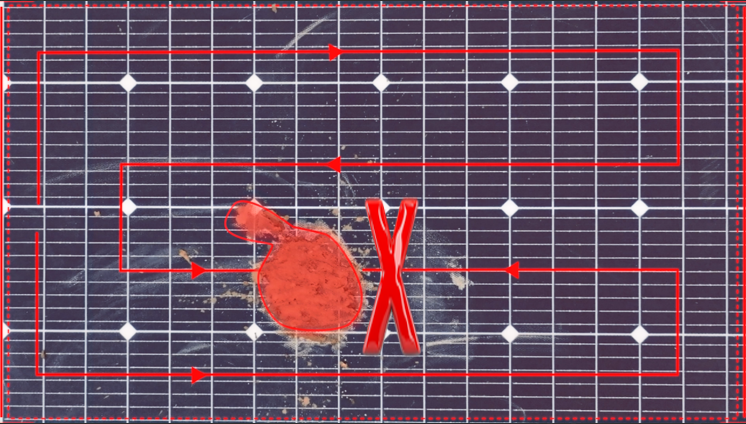
For off-grid users, especially those using solar to power critical systems like refrigeration, communication, or heating, this represents a serious vulnerability.
Enter Cell-Level Shadow Management
Recent advancements in solar technology have begun to address this problem head-on. One of the most promising solutions is cell-level shadow management—a smarter approach to energy routing that’s reshaping how off grid solar systems handle real-world conditions.
Instead of allowing a shaded cell to become a bottleneck, this technology enables each individual cell to respond dynamically. When shading occurs, the module reroutes current around the affected area, keeping the rest of the panel operational and significantly minimizing energy loss. This innovation enhances energy yield, prevents hotspots, and ensures longer system lifespan.
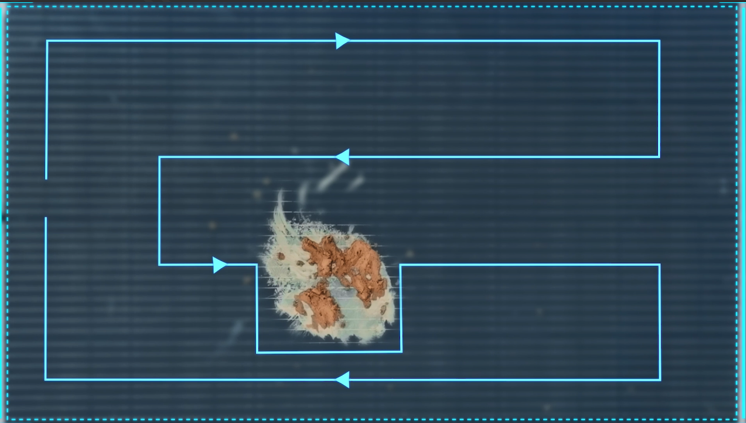
Real-World Gains: PA219 Panel with Anti-Shading Technology
An excellent example of this innovation in practice is the Sungold PA219 solar panel. Designed with off-grid users in mind, the PA219 integrates multi-zone anti-shading technology that intelligently navigates shadowed zones.
Compared to conventional panels, which often drop to 0% output under partial shading, the PA219 consistently retains between 50% and 92% energy output in various shadow scenarios. Whether on a residential rooftop with tree coverage or an RV dealing with shifting light conditions, this panel maintains stable, efficient performance without the sharp energy dips typical of traditional modules.
Who Benefits Most?
Anti-shading solar panels are especially beneficial for:

These use cases often share one challenge: unpredictable and inconsistent light exposure. Investing in a solar panel that can autonomously adapt to these conditions helps ensure the reliability off-grid systems demand.
Bottom Line
Shading is a persistent threat to off-grid solar reliability, but thanks to innovations like cell-level shadow management, users no longer have to choose between independence and efficiency.
For those seeking robust, adaptive solar solutions, products like the Sungold PA219 demonstrate how intelligent engineering can turn a longstanding solar challenge into a thing of the past—keeping the power flowing, even in the shadows.
Standard Monocrystalline Solar vs Anti-Shading Half-Cut Technology
| Metric / Operational Benchmark | Standard Industry Benchmark | Optimized Architecture |
|---|---|---|
| Partial Shade Power Retention | Drops 70% – 90% Output | Maintains 45% – 60% Output via Multi-Zone Routing |
| Hot-Spot Temperature Spike | +65°C to +90°C (Fire / Delamination Risk) | < 15°C Elevation via Internal Bypass Diodes |
| Cell Wiring Topology | Single Series String (Complete Interruption) | Split Twin-Design with Dual Parallel Strings |
| Off-Grid Battery Charge Speed | Heavily Throttled during Tree Cover | Continuous Steady Bulk Charging Current |
Engineering Innovations in Off-Grid Solar Anti-Shading Architecture
Operating off-grid photovoltaic (PV) installations in remote, wooded, or maritime environments presents severe environmental challenges. Unlike utility-scale solar farms built on barren flatlands, residential and remote off-grid solar arrays constantly encounter partial shading from overhanging tree canopies, satellite masts, chimney flues, and cloud cover. In traditional series-wired solar panels, shading just one cell can throttle the output of the entire string by up to 80% through the ‘Christmas tree light’ effect, generating destructive thermal hot spots. Modern anti-shading solar technology integrates cell-level engineering and smart electronics to maintain high off-grid charging efficiency.
1. Half-Cut Cells and Split-Junction Topologies
Modern high-efficiency solar modules utilize laser-sliced half-cut monocrystalline PERC (Passivated Emitter and Rear Cell) or TOPCon designs:
- Dual Independent Halves: Panels are divided into an upper and lower twin circuit operating in parallel. If tree branches shade the bottom half, the upper half continues generating full power independently.
- Reduced Internal Resistance: Halving the physical cell size cuts current flow through each busbar by 50%, reducing internal resistive thermal losses by a factor of four.
- Integrated Multi-Bypass Diodes: Schottky diodes isolate shaded cell groups instantaneously, allowing current from unshaded cells to bypass resistance without overheating.
2. Maximizing Energy Harvest via Smart MPPT Controllers
Pairing anti-shading solar arrays with advanced MPPT (Maximum Power Point Tracking) charge controllers unlocks optimal charging curves:
- Global Sweep Algorithms: Under partial shade, PV voltage-power curves display multiple local maxima. High-end MPPT controllers perform rapid full sweeps every 5 minutes to lock onto the true global maximum power point rather than getting trapped in weak local peaks.
- DC-to-DC Micro-Optimizers: Installing module-level power electronics (MLPE) allows each solar panel to operate at peak output without dragging down adjacent panels in the array string.
- Low-Light Irradiance Sensitivity: Modern anti-reflective coatings and textured glass capture diffuse dawn and dusk irradiance, keeping battery banks replenished during overcast UK winter months.
3. Best Practices for Off-Grid Array Deployment
To ensure resilient off-grid performance, mount panels in landscape orientation if shading sweeps vertically, maintain clean drainage clearances to prevent debris accumulation along lower frames, and utilize multi-string charge controllers to isolate rooftop sections with differing aspect angles.
Off-Grid Solar System Maintenance & Annual Performance Auditing
To preserve maximum energy harvest across remote off-grid solar installations, operations teams should conduct structured biannual health assessments. Accumulated environmental contaminants—including avian droppings, tree sap, agricultural dust, and micro-algae growth—induce localized cell heating and trigger unnecessary bypass diode activation.
Off-Grid Array Optimization Protocols:
- Thermal Thermography Inspection: Utilize handheld radiometric thermal imaging cameras during peak irradiance (noon) to identify hot spots exceeding ambient cell temperature by >15°C.
- Torque and Terminal Continuity Testing: Verify that all MC4 connector crimps and junction box busbar clamp screws adhere strictly to manufacturer torque ratings (typically 2.5 to 3.0 Nm) to eliminate resistive arcing risks.
- Battery State-of-Health (SoH) Calibration: Perform controlled full-cycle discharge tests on off-grid lithium iron phosphate (LiFePO4) or gel lead-acid storage banks to recalibrate internal BMS state-of-charge drift.
Frequently Asked Questions (FAQs)
Can a single shaded cell permanently damage a solar panel?
Yes, in legacy panels without adequate bypass diodes, shaded cells enter reverse bias, absorbing energy from illuminated cells as heat. This creates hot spots that can scorch backsheets and crack glass.
How do bypass diodes protect solar panels from shading?
Bypass diodes provide a low-resistance detour around shaded cell clusters, allowing current from active cells to flow freely without heating the shaded cells.
Are micro-inverters or DC optimizers better for shaded off-grid setups?
DC optimizers paired with high-efficiency hybrid MPPT inverters generally offer superior reliability and higher battery round-trip efficiency for off-grid battery charging.


 By
By