
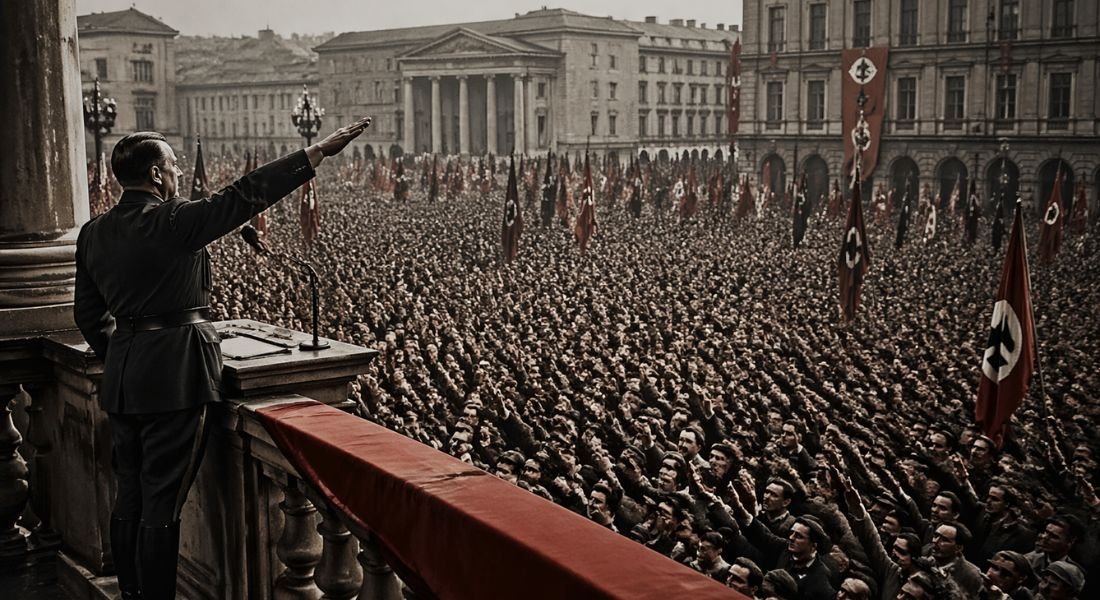

Fascisterne is a Danish word that translates to the fascists. It refers to individuals or groups who support fascism a political ideology built on strong centralized power, extreme nationalism and strict control over society.
In simple terms fascisterne are people who believe that a nation should be governed by a powerful authority with very limited opposition. Individual freedoms are reduced in favour of unity, discipline and obedience to the state.
The word itself is mostly used in historical and political discussions. It is closely linked to the major authoritarian movements that shaped Europe in the twentieth century. When people use the term today they are usually referring to those historical movements or drawing comparisons with modern political behaviour that appears authoritarian.
What makes the term important is not just its definition but what it represents. It points to a period in history where entire societies were reorganised under strict political control often with severe consequences.
What is fascism in simple terms?
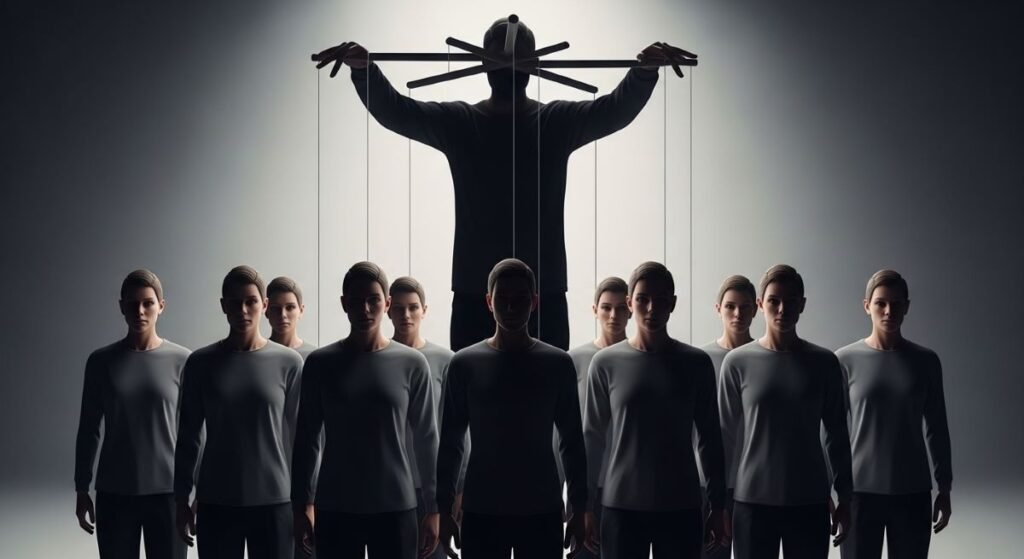
Fascism is a political system where power is concentrated in the hands of a single leader or ruling group. Instead of open debate or shared decision making authority comes from the top and is enforced across society.
Eveyrtalkin explain simple way to understand it is this. Democracy allows disagreement. Fascism discourages it in favour of unity.
Fascism vs everyday politics
Unlike normal political systems where compromise is expected fascism pushes the idea that one vision for the nation is correct. That vision must be followed without challenge.
How fascisterne emerged in Europe?
The rise of fascisterne is closely connected to the aftermath of World War I. Many European countries were left with destroyed economies, political instability and widespread frustration among citizens.
Rise of authoritarian movements
In this environment people began to lose trust in traditional democratic governments. Strong leadership started to look more appealing than slow political debate.
Leaders like Benito Mussolini rose to power by promising order pride and national recovery.
Role of economic instability
High unemployment inflation and fear of collapse made populations more open to radical political solutions. Fascisterne movements grew because they offered simple answers during uncertain times.
Key characteristics of fascisterne
Fascisterne movements tend to share several clear features. These are not random but form a pattern that can be observed across different countries and time periods.
The most important characteristics include:
- Strong central leadership with limited opposition
- Extreme nationalism that places the nation above the individual
- Control of media and public messaging
- Suppression of political dissent
- Use of propaganda to shape public opinion
- Emphasis on military power and discipline
What stands out is the focus on control. Everything in society is directed toward maintaining unity. Different opinions are often seen as threats rather than contributions.
This structure creates stability on the surface but it usually comes at the cost of freedom and open discussion.
Why did people support fascisterne?
Economic crisis and unemployment
Many people supported fascisterne because they were struggling financially. Economic hardship made traditional governments appear ineffective.
Fear of instability and communism
There was also fear of political chaos and the spread of communism. Fascisterne presented themselves as a stable alternative.
Psychological appeal of strong leadership
Strong leaders create a sense of certainty. In uncertain times that feeling can be more attractive than complex democratic debate.
People were not always driven by ideology alone. Many were simply searching for stability and direction.
Famous examples of fascisterne in power
Fascist Italy under Mussolini
Italy under Benito Mussolini is one of the earliest examples of a fascist state. It focused on nationalism military strength and centralized control.
Nazi Germany under Hitler
Germany under Adolf Hitler expanded fascist ideology further combining nationalism with racial theory and aggressive expansion.
Franco’s Spain
Spain under Francisco Franco maintained authoritarian rule for decades after the civil war showing another variation of fascist style governance.
Fascism vs democracy
Understanding the difference between fascism and democracy helps clarify why fascisterne is such a significant concept.
In democracy:
- Leaders are elected
- Opposition is allowed
- Media operates independently
- Individual rights are protected
In fascism:
- Power is centralised
- Opposition is restricted or removed
- Media is controlled
- Loyalty to the state is prioritised
Democracy is built on disagreement and discussion. Fascism is built on unity and control.
This difference is not just political. It affects everyday life from freedom of speech to access to information.
How to recognise fascist patterns in modern politics?
Concentration of power
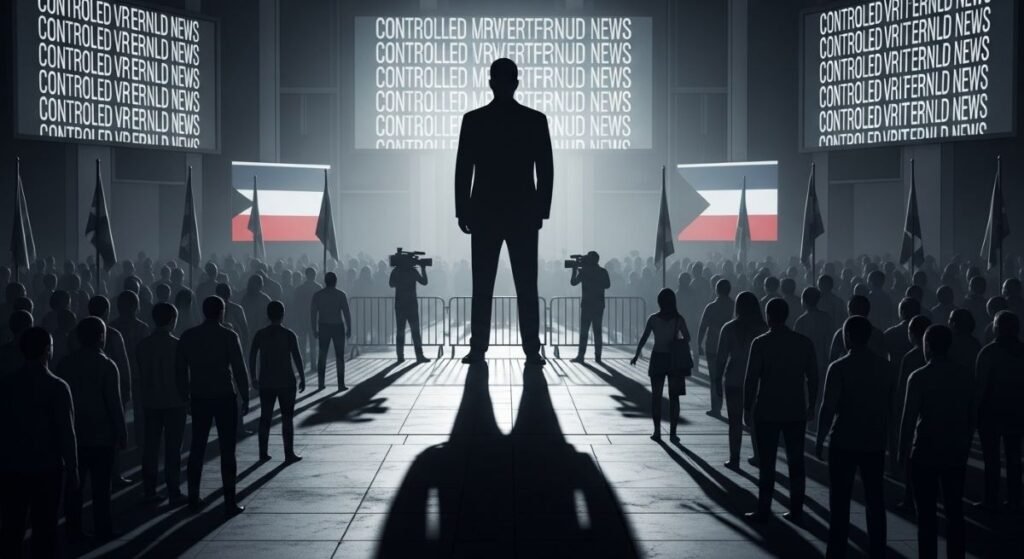
When political power becomes increasingly controlled by one leader or group it can signal a shift away from democratic balance.
Weakening of press freedom
Independent media is essential in democratic systems. When it is restricted it reduces public access to information.
Nationalism used for division
National identity becomes problematic when it is used to divide groups rather than unite society.
These patterns do not automatically mean fascism is present but they are often discussed in political analysis as warning indicators.
Final thoughts
Fascisterne is more than a historical label. It is a reminder of how quickly political conditions can change when societies face uncertainty.
The lesson is not about fear but awareness. When people understand how these systems formed in the past they are better equipped to recognise similar patterns in the present.
History does not repeat exactly but it often rhymes in structure. That is why this topic still matters today.
FAQs
What does fascisterne mean?
It means supporters of fascism a political ideology based on strong authority and nationalism.
What is fascism in simple words?
Fascism is a system where one leader or group controls the state and limits opposition.
Is fascism left or right?
It is generally considered far right due to its nationalism and hierarchical structure.
Why did fascism become popular?
It became popular due to economic crisis instability and fear of political collapse.
What is the opposite of fascism?
Democracy is considered the opposite focusing on freedom participation and shared power.

 By
By
 By
By

 By
By