
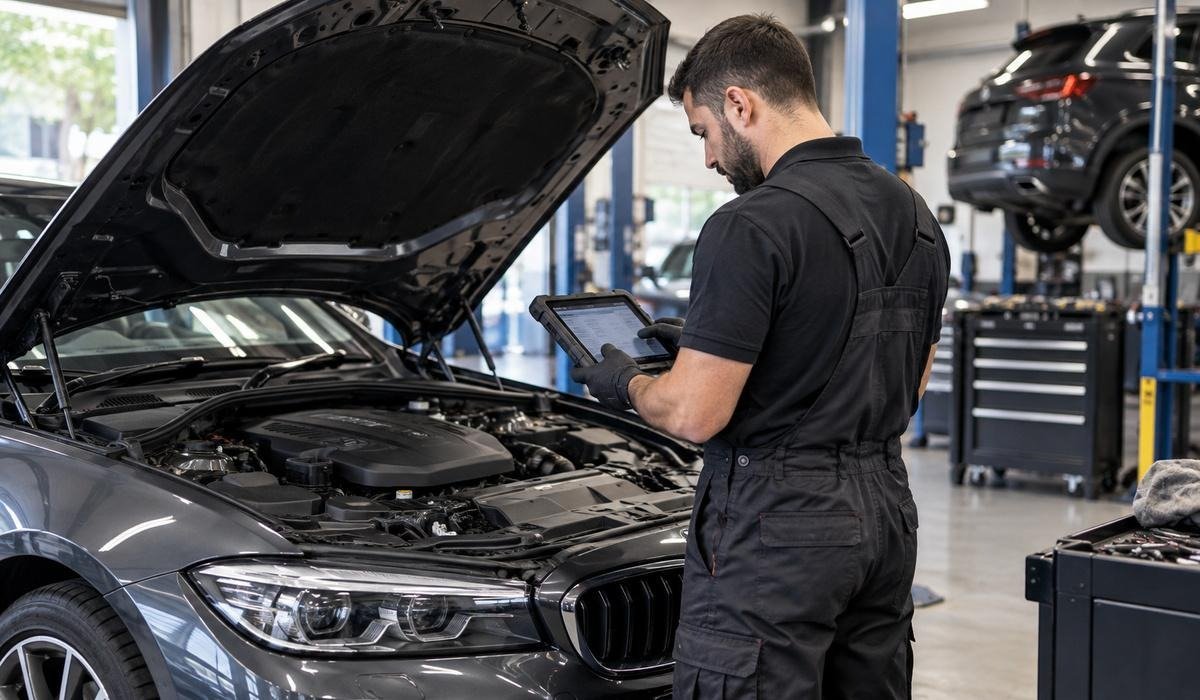

Many drivers think of servicing as an oil change with a few quick checks. In reality, a good service is a structured opportunity to inspect the vehicle, replace routine consumables where required and identify developing faults before they become inconvenient or expensive. The exact work varies by manufacturer, mileage, vehicle age and service interval, but the purpose is consistent: keep the car reliable, safe and efficient.
A service is different from an MOT
An MOT is a legal roadworthiness test at a specific point in time. It checks whether the vehicle meets the required standards on the day of the test. A service is maintenance. It follows the manufacturer’s schedule and looks after components and fluids that may not cause an MOT failure even though they affect long-term reliability.
Passing an MOT therefore does not mean the car has been serviced, and servicing does not replace the legal requirement for an MOT where one is due.
Engine oil and filters are the starting point
Engine oil reduces friction, carries heat and helps protect internal components. Over time it becomes contaminated and its protective properties decline. The correct oil specification matters because modern engines are designed around particular viscosity and performance standards.
Depending on the service, the oil filter will normally be replaced and other filters may be inspected or changed. Air filters affect the engine’s ability to breathe, while cabin filters influence the quality and flow of air through the ventilation system.
Brakes need inspection even when they feel normal
Brake wear is gradual, so a driver may not notice the difference from one month to the next. A service can include inspection of pads, discs, hoses and fluid condition. The technician may also identify uneven wear or a component that is beginning to bind before it becomes obvious during normal driving.
Tyres tell a story about the rest of the car
Tread depth and pressure are important, but wear pattern matters as well. Uneven wear can suggest alignment, suspension or inflation problems. A service check gives the garage an opportunity to flag damage, cracking or repeated pressure loss and to recommend a more detailed investigation when needed.
Fluids should be checked as a system
Coolant, brake fluid, washer fluid and other vehicle-specific fluids all need the correct level and condition. Simply topping up a low fluid is not always enough because repeated loss may indicate a leak. The garage should look for the reason a level is low rather than treating every top-up as routine.
Belts, hoses and visible components matter
Rubber components age as well as wear. Cracks, swelling, leaks and damaged mountings may become visible before they cause a breakdown. The exact components inspected depend on the vehicle, but regular visual checks are one of the main reasons servicing can prevent problems that otherwise appear suddenly.
Battery condition becomes more important with age
A battery may start the car successfully while already losing capacity. Cold weather, short journeys and heavy electrical demand can expose weakness. Testing during a service can give the driver warning that replacement may be needed rather than waiting for a no-start situation.
Modern cars benefit from diagnostic awareness
Electronic systems monitor the engine, emissions, safety systems and comfort features. If the driver has noticed an intermittent warning or unusual behaviour, mention it when booking the service. A diagnostic scan may be appropriate, but codes should be interpreted alongside physical checks and the symptoms described by the driver.
Mileage is only part of the service interval
A low-mileage car is not automatically maintenance-free. Oil, brake fluid, coolant and rubber parts can age with time. Short journeys can also be demanding because the engine spends more time warming up and the battery may not fully recharge. Vehicles used in heavy traffic, for towing or for repeated stop-start journeys can have different maintenance needs from cars that spend most of their time on long motorway trips.
That is why service schedules usually consider both time and mileage. Follow the manufacturer’s guidance rather than waiting for a high odometer reading.
Service history protects more than reliability
A documented service history can make the vehicle easier to sell and can support warranty requirements where applicable. Keep invoices and records of major maintenance, not just stamps. They show future owners what was done and can help technicians understand recurring issues.
Choose a garage that communicates clearly
Drivers comparing car servicing South London should look for more than the cheapest headline price. Ask what the quoted service includes, which specification of parts and fluids will be used, whether additional work requires approval and how advisory items will be reported. AV Autos and other established local garages can add value by explaining the difference between urgent repairs and work that can reasonably be monitored.
A useful service conversation
- Tell the garage about warning lights, noises or changes in handling.
- Mention whether the car does mostly short urban trips or longer journeys.
- Ask which service level matches the manufacturer schedule.
- Request a call before any unexpected additional work.
- Keep the final invoice and note the next recommended service date.
Maintenance works best when it is predictable
Servicing is easiest to manage when it becomes part of ownership rather than a response to breakdowns. A scheduled visit creates time to inspect the car calmly, plan future costs and deal with wear before it becomes urgent.
The result is not a guarantee that nothing will ever fail. Cars are complex mechanical systems. But regular servicing improves the chances that developing problems are found early and that the vehicle continues to perform as it was designed to.
Understand what service level you are buying
Garages may offer interim, full or major services, but the labels are not identical everywhere. The meaningful comparison is the list of checks and replacements included and whether that list matches the vehicle manufacturer’s schedule. A cheaper service can be perfectly suitable at one interval and incomplete at another. Ask for the scope in writing if you are unsure.
After the service, take a minute to read the invoice and advisory notes. If the garage has identified items to monitor, ask what signs would indicate that the condition is getting worse and when the item should be checked again. This makes the service more useful than a simple stamp in a book because the driver leaves with a plan for the next few months.
Servicing also creates an opportunity to prepare for predictable costs. Tyres, brakes and batteries wear over time. If a technician says a component is still safe but likely to need replacement later in the year, the owner can budget for it rather than waiting for an urgent failure. Predictable maintenance is usually easier to manage than surprise repairs.
• • •

 By
By

 By
By
 By
By