

Introduction:
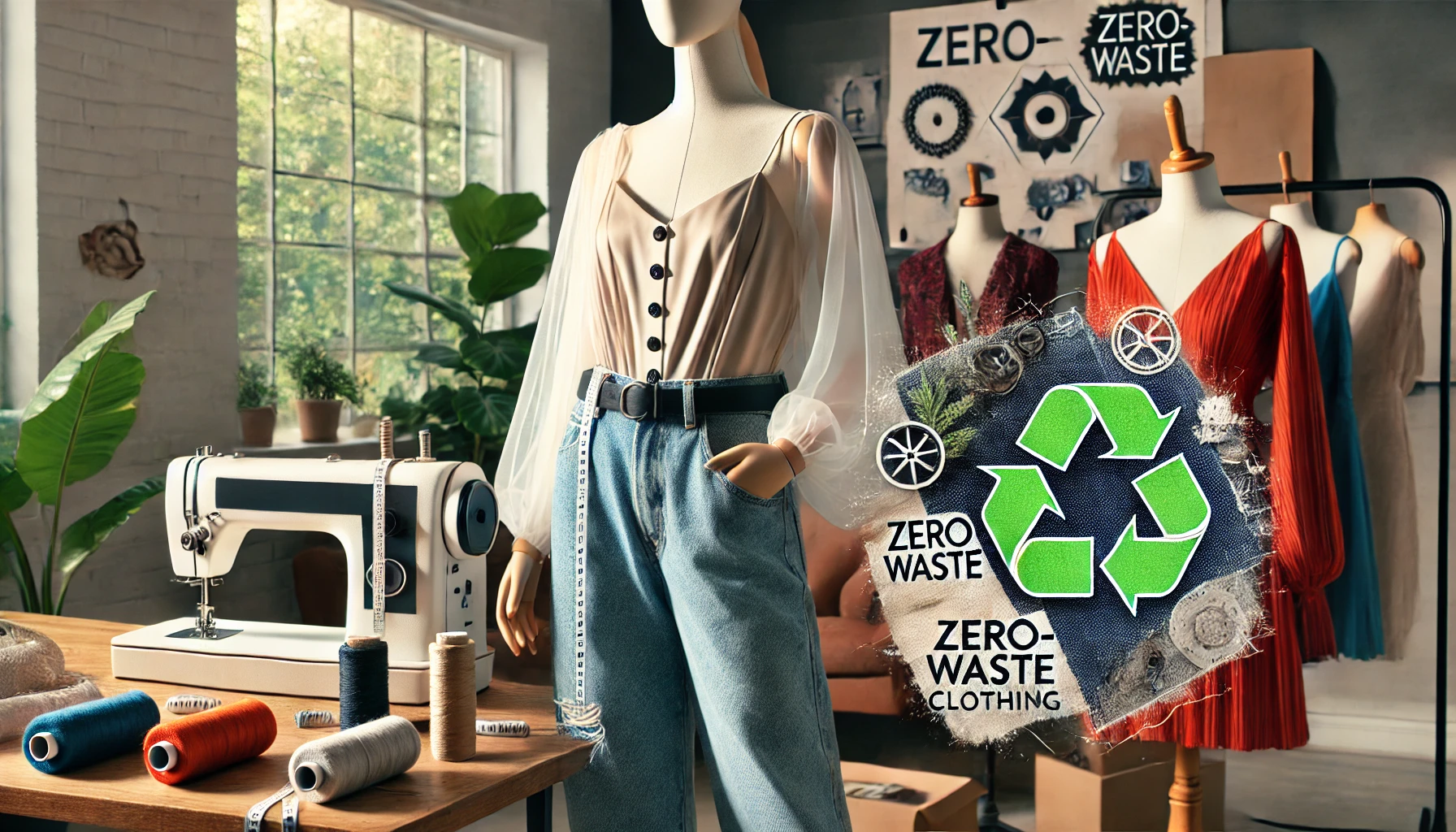
Zero-waste fashion has emerged as a crucial movement within the industry as brands and consumers alike recognize the urgent need for sustainability. The traditional fashion industry is one of the largest contributors to global waste and pollution, prompting a shift towards more ethical and environmentally friendly practices. But can fashion brands truly achieve zero waste, or is it an idealistic goal? This article explores the challenges, innovations, and future of zero-waste fashion to determine whether full sustainability is attainable in the fashion industry.
Zero-Waste Fashion:
“Zero-waste fashion aims to eliminate waste at every stage of the production process, from fabric sourcing to garment disposal. This involves strategies such as pattern efficiency, fabric repurposing, and recycling initiatives. Unlike traditional manufacturing, which often discards large amounts of material, zero-waste design prioritizes minimal to no fabric waste. The concept extends beyond production to include responsible consumption and disposal, encouraging brands and consumers to rethink their approach to clothing”. Says Rod Harvey, CEO, StarStruck Collection
Challenges in Achieving True Sustainability:
“While the idea of zero-waste fashion is promising, achieving full sustainability presents several challenges. The biggest obstacle is the current structure of mass production, which relies on speed and affordability rather than waste reduction. Sustainable materials are often more expensive, and ethical manufacturing processes require more time and resources. Additionally, consumer habits play a significant role, as many people still prioritize affordability and trends over longevity and sustainability. Brands must find ways to balance profitability with environmental responsibility to make zero-waste fashion a viable reality”. Says Nick Huber, founder of The Sweaty Startup
Innovations Driving the Zero-Waste Movement:
“Despite the challenges, many innovative solutions are propelling the zero-waste fashion movement forward. Digital pattern-making software helps designers create garments with minimal fabric waste, while upcycling and fabric regeneration technologies enable brands to repurpose discarded materials. Additionally, biodegradable textiles and closed-loop recycling systems are gaining traction, ensuring that materials can be reused or naturally decomposed rather than ending up in landfills. These advancements make zero-waste fashion more achievable and scalable within the industry”. Says James Becker, CEO, Fashion Growth Partners
Barriers to Achieving a Truly Zero-Waste Fashion Industry:
While the principles of zero-waste fashion align with sustainability goals, significant challenges hinder full implementation. The primary barriers include:
- Economic Constraints: Sustainable fabrics and ethical labor practices often come at a higher cost, making it difficult for brands to maintain profitability while transitioning to zero-waste operations.
- Mass Production Models: Fast fashion relies on high-speed, cost-efficient manufacturing, which is inherently wasteful. Restructuring supply chains to accommodate zero-waste principles requires substantial investment and operational adjustments.
- Consumer Behavior: Market demand continues to favor affordability and rapid trend cycles, making it challenging to shift consumer preferences toward sustainable purchasing habits.
- Technological Limitations: While advancements in recycling and waste-free design exist, scalable solutions for large-scale zero-waste production remain limited.
Innovative Solutions Transforming Zero-Waste Fashion:
Despite these challenges, various technological and strategic innovations are driving progress within the zero-waste fashion movement:
- Zero-Waste Pattern Making: Advanced digital design tools enable precision cutting and pattern optimization, reducing fabric waste during garment production.
- Closed-Loop Recycling Systems: Brands are investing in fabric regeneration technologies, allowing used textiles to be broken down and repurposed into new materials.
- Biodegradable and Alternative Textiles: Research into sustainable fibers, such as plant-based and lab-grown materials, presents opportunities for minimizing waste and reducing reliance on traditional fabrics.
- Blockchain for Transparency: Enhanced supply chain tracking through blockchain technology ensures ethical sourcing and promotes accountability in waste management practices.
The Role of Consumers in Zero-Waste Fashion:
“Consumers play a crucial role in determining the success of zero-waste fashion. Conscious shopping choices, such as supporting brands with ethical practices and investing in high-quality, long-lasting clothing, contribute to sustainability efforts. Additionally, adopting circular fashion practices such as clothing swaps, repairs, and second-hand purchases helps reduce waste. As awareness grows, consumers are becoming more mindful of the environmental impact of their fashion choices, pushing brands to adopt sustainable strategies”. Says Tomek Mlodzki, Founder, PhotoAiD
The Future of Zero-Waste Fashion:
“The future of zero-waste fashion depends on continued innovation, industry-wide collaboration, and changing consumer behavior. While achieving 100% sustainability may be difficult, significant progress is being made to reduce waste and improve ethical practices. As technology advances and sustainable practices become more mainstream, the industry has the potential to create a circular fashion economy that prioritizes both style and sustainability. The transition to a zero-waste future requires ongoing commitment from brands, consumers, and policymakers alike”. Says Adam Enfroy, CEO of AdamEnfroy
Conclusion:
Zero-waste fashion is more than just a trend, it is a necessary evolution of the fashion industry. While challenges remain, innovative solutions, consumer awareness, and industry shifts are driving meaningful change. While complete sustainability may not yet be fully achievable, brands can take significant steps toward reducing waste and improving environmental responsibility. With continued progress and commitment, the dream of a zero-waste fashion industry could one day become a reality.


 By
By
 By
By
 By
By
 By
By