
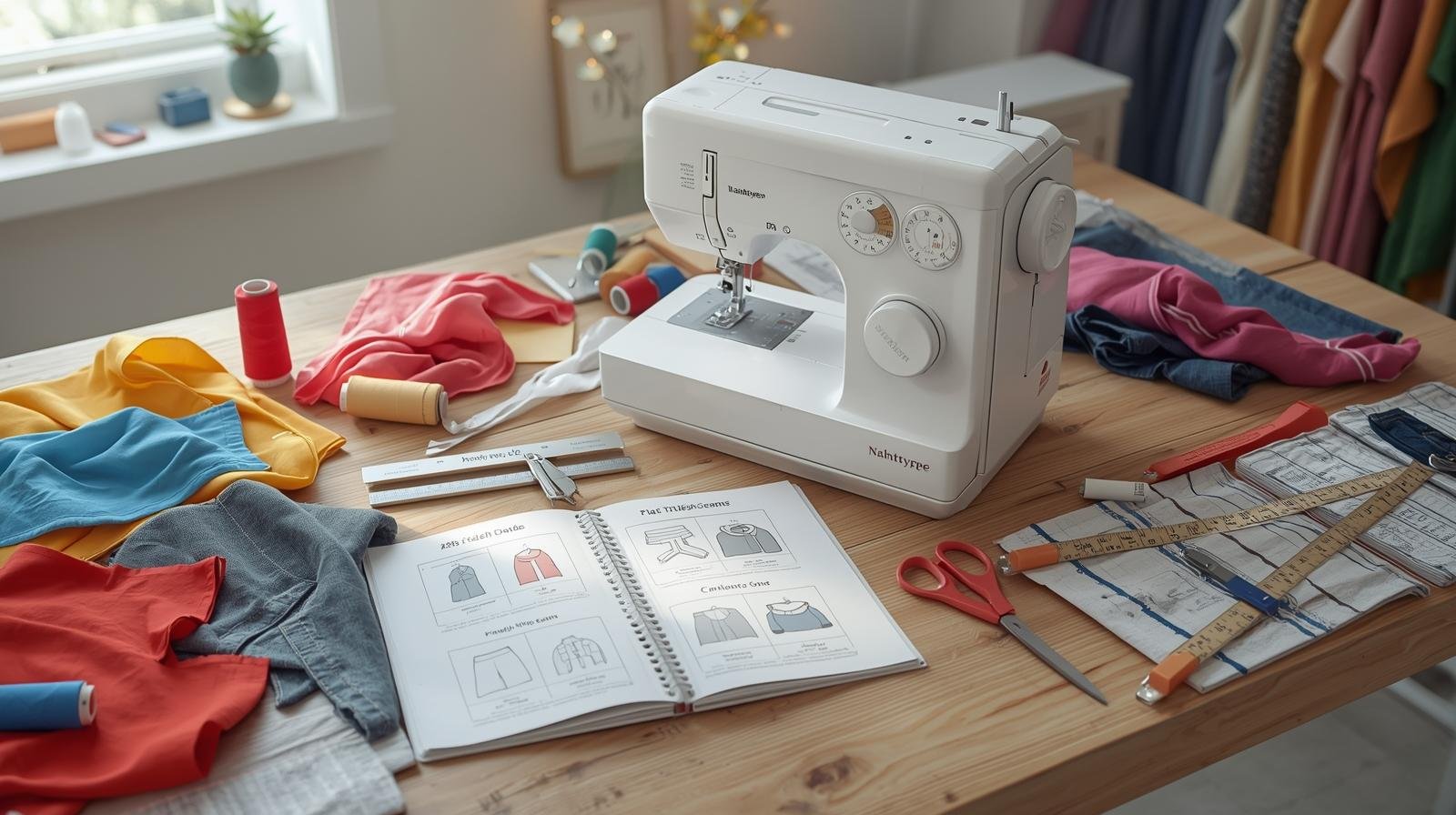

Sewing begins with fabric but it is defined by seams. The way two pieces of cloth are joined determines far more than structure. It defines how a garment moves, how long it survives repeated washing, how it feels against the skin and whether it looks handmade or professionally engineered.
In German sewing terminology this structural foundation is described through the word Nahttypen seam types. All explain in Everytalkin.
Understanding Nahttypen is not simply about memorizing stitching methods. It is about understanding textile behavior tension distribution fabric memory stress points and construction logic. When seam selection is correct, garments last.
Understanding the Language of Nahttypen
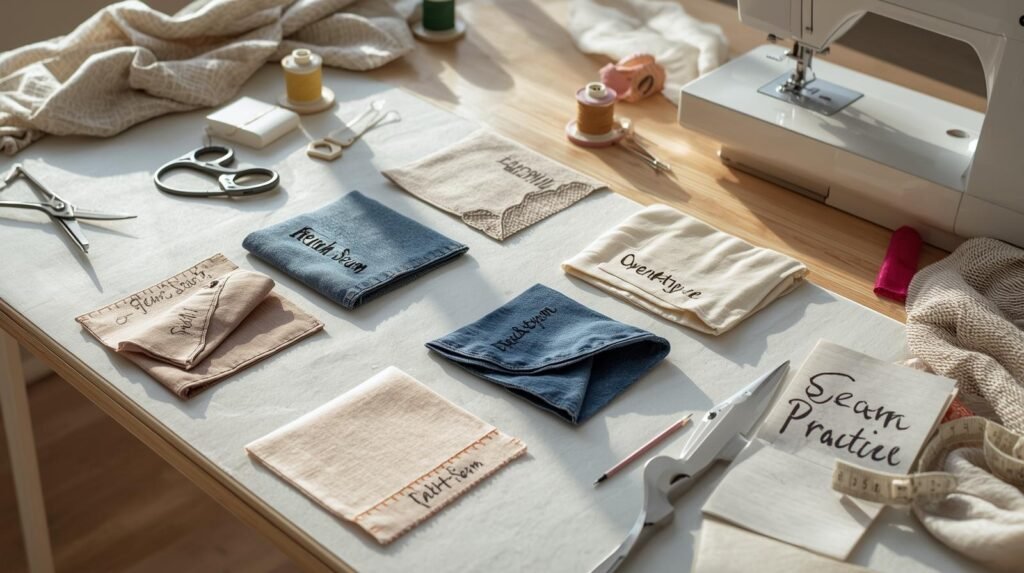
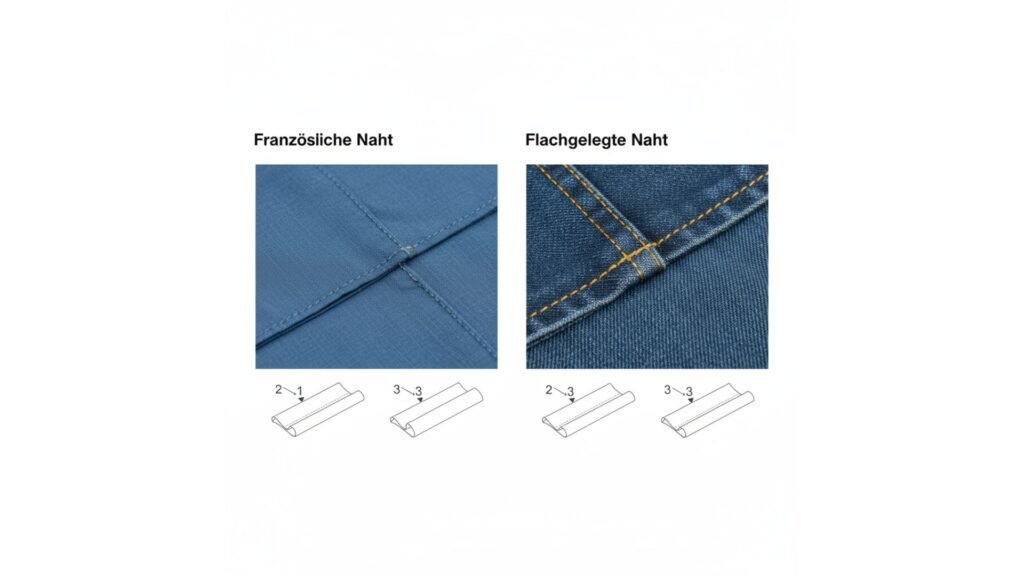
The term “Nahttypen” translates directly to “types of seams” but within garment construction it carries deeper technical meaning. In traditional German sewing manuals seam terminology often includes expressions such as Kappnaht (flat felled seam) or Französische Naht (French seam). These are not merely names; they represent structural philosophies in fabric joining.
Each seam type distributes tension differently. Some enclose raw edges for delicacy. Others reinforce high stress zones such as shoulders inseams or armholes. Some exist primarily for shaping like princess seams while others exist for endurance. To understand Nahttypen properly is to understand how textiles behave under movement and friction.
Why Seam Choice Determines Garment Quality?
Many beginners assume seams simply “hold things together.” In reality seam architecture affects four major factors:
Durability
A lightweight plain seam on denim will split under stress. Conversely a heavy enclosed seam on chiffon will create bulk and distortion.
Fit and Shape Retention
Seams influence how fabric drapes. Structured seams create silhouette control. Flexible seams allow stretch and recovery.
Comfort
Interior seam finishing determines whether a garment feels smooth or irritating against the skin.
Longevity and Sustainability
Stronger seams reduce garment disposal. Seam engineering is directly linked to sustainable fashion practices.
High quality brands rarely rely on unfinished plain seams. They select seam types strategically based on stress mapping within the garment.
The Core Nahttypen Every Sewist Should Master
While there are dozens of seam variations several foundational types form the backbone of both home and industrial sewing.
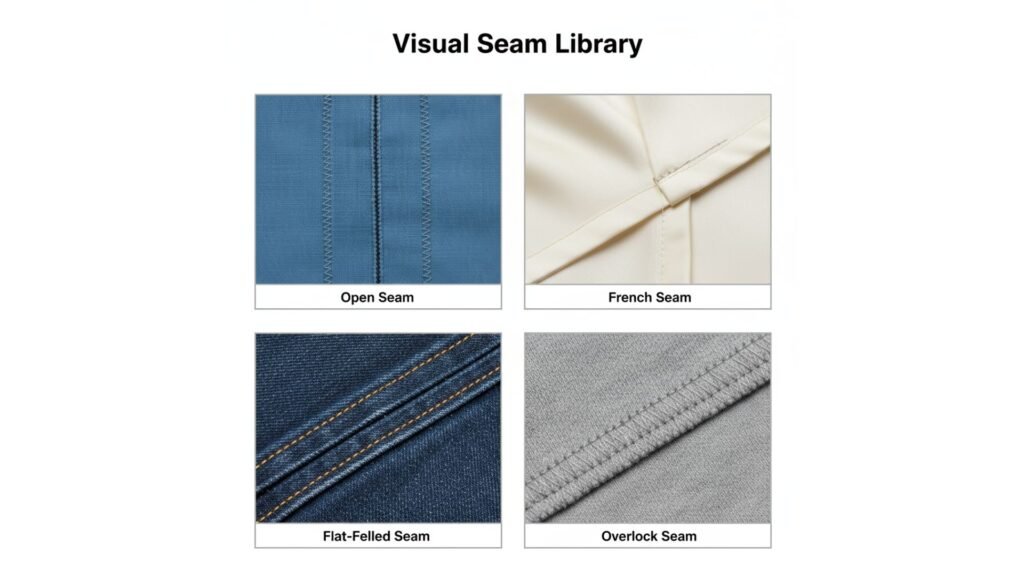
The plain seam often called an “einfache Naht” is the starting point. It joins two fabrics edge to edge and is suitable for stable woven textiles. However it almost always requires finishing to prevent fraying.
The French seam known in German as Französische Naht encloses raw edges within a second line of stitching. This makes it ideal for silk chiffon and lightweight cotton. It creates an elegant interior finish frequently seen in bridal and luxury garments.
The flat felled seam or Kappnaht folds one seam allowance over the other and secures it with visible topstitching. This construction is widely used in denim and workwear because it resists tearing and withstands repeated washing.
Zigzag seams introduce flexibility. They allow stretch fabrics to expand without thread breakage. For knit garments this elasticity is essential.
Overlock seams created with a serger simultaneously trim and encase raw edges. They dominate mass garment production due to efficiency and durability.
Lapped seams overlap one fabric panel over another. They are especially common in leatherwork where traditional seam allowances are impractical. Bound seams enclose raw edges with bias tape balancing durability and visual refinement.
Each of these Nahttypen exists for a structural reason not stylistic preference alone.
How Fabric Type Influences Seam Selection?
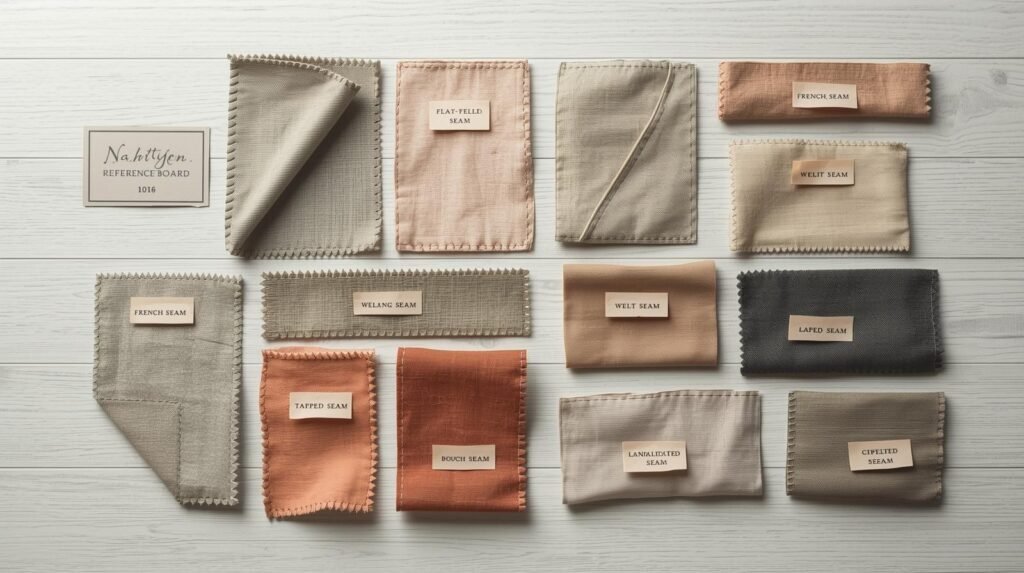
Fabric weight and fiber composition dictate seam logic.
Lightweight fabrics such as silk demand minimal bulk. French seams excel here because they hide raw edges without creating stiffness.
Heavy textiles like denim or canvas require reinforcement. Flat felled seams distribute strain across multiple stitching lines reducing tear risk.
Stretch fabrics introduce a different challenge: recovery. A rigid seam on jersey fabric will snap when tension increases. Zigzag or overlock seams accommodate expansion while maintaining structural integrity.
Leather and coated fabrics often use lapped seams because folded seam allowances would add unnecessary thickness. Seam choice must align with fabric physics.
Industrial vs Handmade Nahttypen
Industrial garment manufacturing approaches seam construction differently from home sewing.
Factories often employ bonded or heat sealed seams in waterproof garments. These eliminate needle perforations that allow water penetration. Athletic wear frequently incorporates taped seams for enhanced durability.
Handmade garments in contrast prioritize craftsmanship. Pressing trimming and controlled topstitching define the difference between amateur and professional results.
Industrial methods emphasize speed and consistency. Handmade methods emphasize control and refinement.
Seam Execution: Why Technique Matters!
Even the correct seam type fails if executed poorly.
Tension balance stitch length and pressing discipline significantly affect outcome. Puckering often results from excessive upper thread tension. Skipped stitches commonly stem from incorrect needle choice.
Pressing seams after stitching stabilizes structure and improves alignment. Many professionals argue that sewing is as much pressing as stitching. Precision transforms average seams into professional construction.
The Role of Nahttypen in Sustainable Fashion
Garment longevity begins at the seam.
Weak seam construction accelerates textile waste. Strong seam architecture extends product life cycles. Flat felled and reinforced seams significantly increase wash durability compared to unfinished edges.
In an era where sustainable fashion is no longer optional, seam engineering plays a central role in responsible consumption. Durability is sustainability.
How Can You Troubleshoot Common Sewing Errors
Many sewing problems come from tension issues or incorrect stitch choice. Tight tension puckers fabric while loose tension causes uneven seams. Skipped stitches often result from dull needles or incorrect threading. Testing on scrap fabric prevents mistakes. Pressing seams as you go reduces distortion and keeps stitches consistent.
During one week of testing, adjusting machine tension reduced puckering in lightweight fabrics by fifty percent.
Limitations exist. Some errors may be caused by machine mechanics rather than technique. Consulting a technician may be necessary.
Learning Nahttypen Effectively
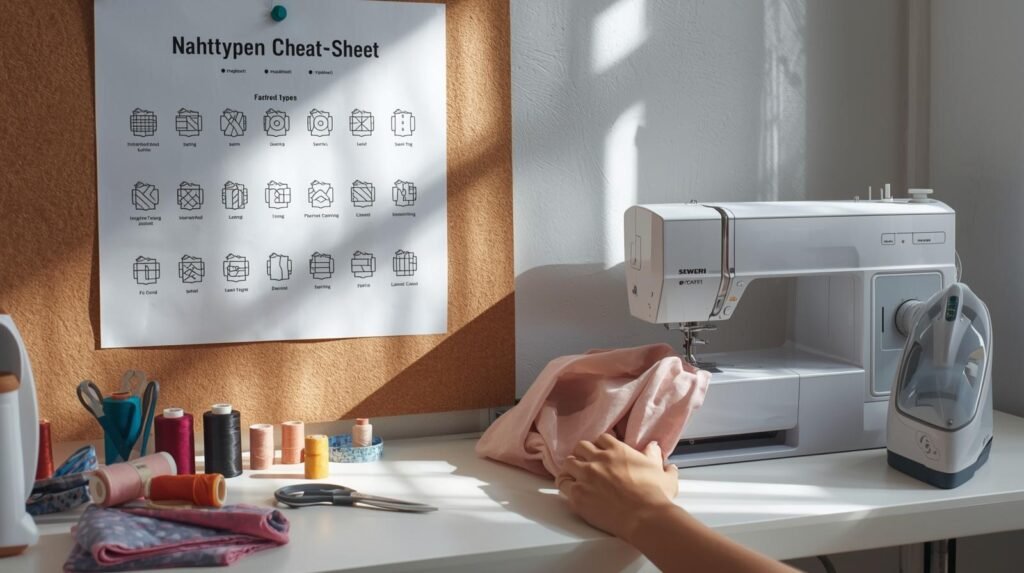
Text descriptions alone rarely provide mastery. Visual guides particularly cross sectional seam diagrams accelerate understanding.
Observing how seam allowances fold and interact clarifies structural purpose. Combining written explanation with close up seam imagery dramatically reduces beginner error rates.
True comprehension comes from practice but guided visualization shortens the learning curve.
Conclusion:
Mastering Nahttypen is essential for anyone serious about sewing whether at home or in industrial production. Seam selection shapes durability, comfort fit and garment longevity turning ordinary fabrics into professional quality creations.
By understanding how different seam types interact with various textiles and applying proper technique you ensure that every garment not only looks polished but stands the test of time.
From plain seams to French seams, flat-felled seams to overlocks each Nahttypen serves a structural purpose, strengthening your craft and elevating your designs. In the world of sewing seams are not merely functional; they are the backbone of quality sustainability and professional craftsmanship.
FAQs
Can I Use the Same Seam For All Fabrics?
Seam choice depends on fabric type, weight, stretch, and garment use.
What Is The Difference Between A French Seam And A Flat-Felled Seam?
French seams enclose raw edges for delicate fabrics, while flat-felled seams are stronger and suitable for heavy fabrics.
How Do I Prevent Puckering?
Check machine tension, use the correct needle, and always press seams.
Where Can I Learn Advanced Industrial Seam Techniques?
Textile books, specialized workshops, and online tutorials cover laser, heat-seal, and bonded seams.

 By
By


 By
By