
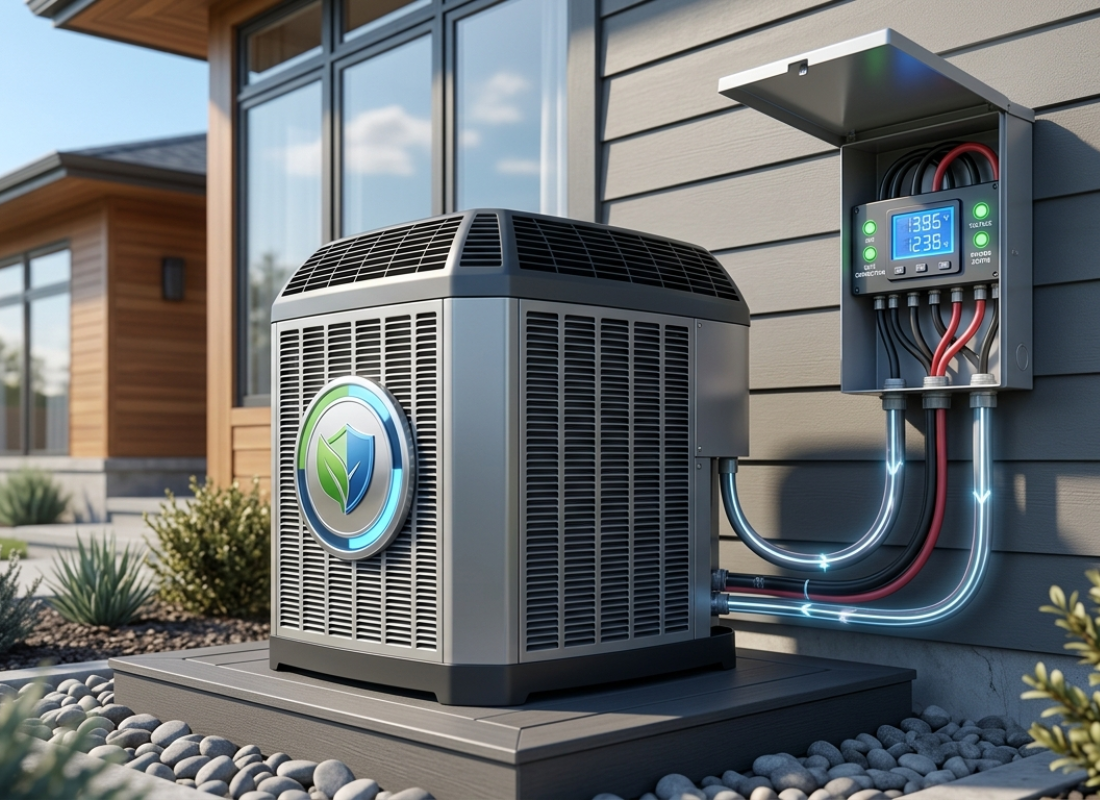

Understanding air conditioning voltage is essential for choosing the right AC system, ensuring safe installation and optimizing energy efficiency. Whether you are installing a new unit or troubleshooting an existing one, voltage plays a critical role in performance durability and electricity consumption.
In this complete guide you will learn everything about AC voltage including standard voltage ranges, power calculations, safety requirements and how to select the right system for your home or business.
What is Air Conditioning Voltage?
Air conditioning voltage refers to the electrical pressure required to power an air conditioning system. It determines how electricity flows through the unit and directly impacts how efficiently the system operates.
In electrical terms Voltage is the force that pushes electrical current through a circuit. Without the correct voltage an air conditioner cannot function properly. Either it will fail to start operating inefficiently or suffer long term damage.
For homeowners and buyers understanding voltage is not just a technical detail. It is a practical requirement that affects installation compatibility and long term energy costs.
Why Voltage Matters in Air Conditioning Systems?
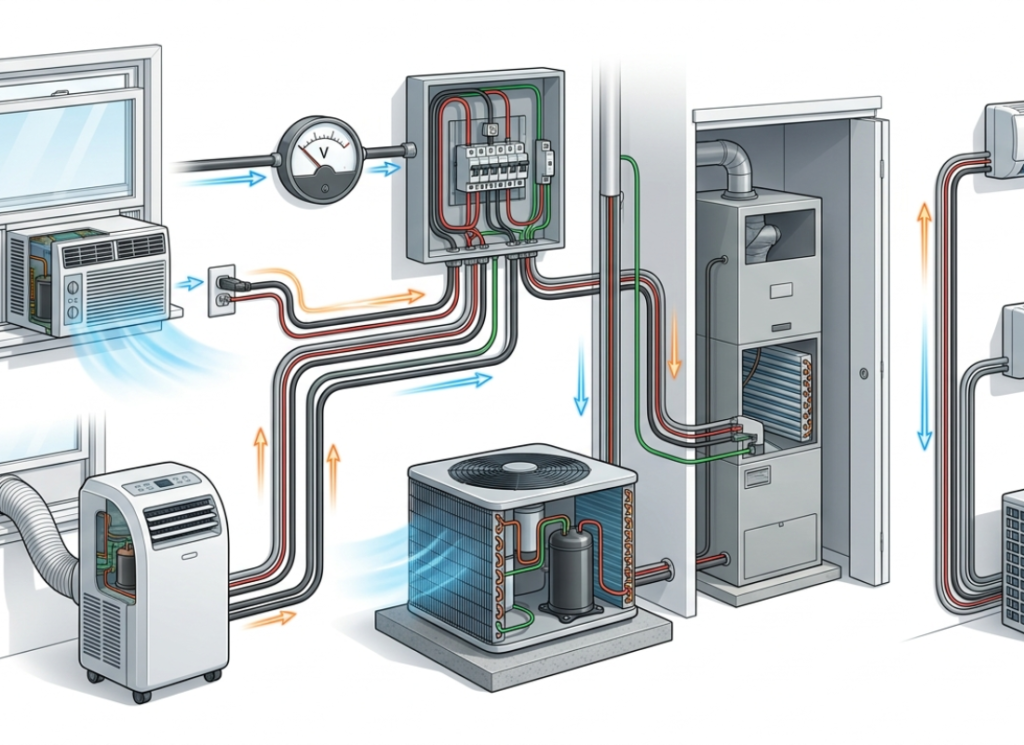
Voltage plays a central role in the performance and safety of any air conditioning system. When the correct voltage is supplied the system operates smoothly delivering consistent cooling while maintaining energy efficiency.
If the voltage is too low the air conditioner may struggle to start or run inefficiently. This can cause overheating in components such as the compressor. On the other hand, excessively high voltage can damage sensitive internal electronics and reduce the lifespan of the system.
Proper voltage also ensures that the electrical wiring in your home is not overloaded. This is especially important for larger systems like central air conditioners that require dedicated circuits.
Standard Voltage Levels for Air Conditioners
Air conditioners are designed to operate within specific voltage ranges depending on their size and capacity. Understanding these standard levels helps you choose the right unit for your space.
Most residential air conditioning systems operate on either 110–120 volts or 220–240 volts. Smaller units such as window or portable air conditioners typically run on 120 volts which is compatible with standard household outlets.
Larger systems including central air conditioners and high capacity mini split systems require 240 volts. These systems are connected to dedicated circuits because they draw more power.
Commercial and industrial air conditioning systems may use even higher voltage levels depending on their scale and application.
Types of Air Conditioners and Their Voltage Requirements
Window Air Conditioners
Window air conditioners are designed for small rooms and typically operate on 110–120 volts. These units are convenient because they can be plugged into standard outlets without requiring additional electrical modifications.
Despite their simplicity it is still important to ensure that the outlet can handle the unit’s amperage requirements to avoid circuit overload.
Portable Air Conditioners
Portable AC units also operate on 110–120 volts. Their flexibility makes them popular for temporary cooling solutions or rooms where permanent installation is not possible.
However users should avoid using extension cords unless they are rated for the unit’s power requirements as improper usage can lead to overheating.
Central Air Conditioning Systems
Central air conditioners are significantly more powerful and typically require 220–240 volts. These systems cool entire homes and therefore demand higher electrical capacity.
They must be connected to a dedicated circuit to ensure safe and efficient operation. Installing a central AC system without proper electrical planning can lead to frequent breaker trips and potential hazards.
Mini Split Air Conditioners
Mini split systems are versatile and can operate on either 120 volts or 240 volts depending on their capacity. Smaller units may run on standard voltage while larger systems require higher voltage for optimal performance.
These systems are known for their energy efficiency and are often used in homes without ductwork.
Understanding Voltage Amperage and Wattage
To fully understand air conditioning voltage it is important to look at how it relates to other electrical measurements.
Amperage represents the flow of electricity through a circuit. Watt measures the total power consumed by the system.
These three elements are connected through a simple relationship:
Watts = Volts × Amps
This formula helps determine how much energy your air conditioner uses. For example if a unit operates at 240 volts and draws 20 amps its power consumption is 4800 watts.
Understanding this relationship allows you to estimate energy usage and compare different air conditioning systems effectively.
How to Calculate Air Conditioner Power Consumption?
Calculating power consumption helps you understand how much electricity your air conditioner uses and how it impacts your energy bill.
To calculate power consumption multiply the voltage by the amperage. For instance a 120 volt unit drawing 10 amps consumes 1200 watts of power.
To estimate energy cost you can convert watts into kilowatts and multiply by the number of hours the unit runs and your local electricity rate.
This calculation allows homeowners to compare energy efficiency between different models and choose a system that meets both cooling needs and budget constraints.
Voltage and Energy Efficiency
Voltage has a direct impact on the energy efficiency of an air conditioning system. Higher voltage systems tend to operate more efficiently because they require less current to deliver the same amount of power.
Modern air conditioners, especially inverter based systems, are designed to optimize voltage and power usage. These systems adjust their energy consumption based on cooling demand reducing unnecessary power usage.
Efficient voltage management not only lowers electricity bills but also reduces wear and tear on system components extending the lifespan of the unit.
Electrical Circuits and Installation Requirements
Proper installation is essential for ensuring that your air conditioning system operates safely and efficiently. One of the most important aspects of installation is the electrical circuit.
Large air conditioning systems require dedicated circuits which means they are not shared with other appliances. This prevents overload and ensures stable voltage supply.
Circuit breakers are also an important safety feature. They protect your system by cutting off power if the current exceeds safe limits. Choosing the correct breaker size is critical for preventing electrical hazards.
Common Voltage Problems in Air Conditioners
Voltage related issues can significantly affect the performance of an air conditioning system. Some of the most common problems include low voltage high voltage and voltage fluctuations.
Low voltage can cause the compressor to struggle during startup leading to overheating and reduced efficiency. High voltage can damage internal components and shorten the lifespan of the system.
Voltage fluctuations are often caused by unstable power supply or faulty wiring. These fluctuations can lead to inconsistent performance and increased energy consumption.
Safety Risks of Incorrect Voltage
Using incorrect voltage is not just a performance issue; it can also be dangerous. Electrical problems can lead to serious safety hazards if not addressed properly.
Common risks include overheating wires, circuit breaker trips and potential fire hazards. In severe cases incorrect voltage can damage the compressor which is one of the most expensive components of an air conditioner.
To avoid these risks it is important to ensure that your system is installed correctly and that your home’s electrical setup matches the unit’s requirements.
How to Choose the Right Voltage for Your AC?
Choosing the correct voltage depends on several factors including the size of your space cooling requirements and electrical infrastructure.
For small rooms a 120 volt unit is usually sufficient. For larger spaces or whole house cooling a 240 volt system is more appropriate.
Before purchasing an air conditioner it is important to check your home’s electrical capacity. Consulting a professional can help ensure that your system is compatible and safe to install.
Tips to Maintain Proper Voltage
- Maintaining proper voltage is essential for the long-term performance of your air conditioning system.
- Regular maintenance and a proper electrical setup help prevent common voltage related issues.
- Avoid overloading circuits by not connecting multiple high power devices to the same outlet.
- Ensure that wiring is in good condition and all electrical connections are secure.
- Install surge protectors to safeguard your system from sudden voltage spikes.
- Schedule regular inspections with a qualified technician to detect potential problems early.
Voltage Stabilizers and Surge Protection
Voltage stabilizers and surge protectors are essential tools for protecting your air conditioning system. They help regulate voltage levels and prevent damage caused by fluctuations.
A voltage stabilizer ensures that the system receives a consistent supply of electricity even when there are variations in the power supply. Surge protectors on the other hand protect against sudden spikes caused by lightning or electrical faults.
Using these devices can significantly extend the lifespan of your air conditioner and reduce the risk of costly repairs.
Relationship Between Voltage and Cooling Performance
Voltage not only affects safety and efficiency but also directly impacts cooling performance. When the correct voltage is supplied the compressor and fan motors operate at optimal speed providing consistent cooling.
If the voltage is too low the system may struggle to maintain the desired temperature. This can result in uneven cooling and increased energy consumption.
Maintaining proper voltage ensures that your air conditioner delivers consistent performance and comfort.
Buying Guide: Choosing the Right AC Based on Voltage
When buying an air conditioner voltage should be one of the key factors in your decision. Choosing the wrong voltage can lead to compatibility issues and additional installation costs.
Start by determining the size of the space you need to cool. Smaller spaces can be effectively cooled with 120 volt units while larger areas require 240 volt systems.
Next consider your home’s electrical capacity. Ensure that your wiring and circuit breakers can support the unit’s requirements.
Finally compare energy efficiency ratings and choose a model that balances performance with energy savings.
Final Verdict
Air conditioning voltage is a fundamental factor that determines how efficiently and safely your system operates. Understanding voltage requirements helps you choose the right unit to avoid electrical issues and reduce energy costs.
By learning how voltage interacts with amperage and wattage and by ensuring proper installation and maintenance you can maximize the performance and lifespan of your air conditioning system.
Whether you are installing a new unit or upgrading an existing one, paying attention to voltage requirements is essential for achieving optimal results.
FAQs
What voltage does a typical air conditioner use?
Most residential air conditioners use either 120 volts or 240 volts depending on their size and capacity.
Can incorrect voltage damage an AC unit?
Yes, incorrect voltage can cause overheating, reduce efficiency and damage internal components.
Is higher voltage better for air conditioners?
Higher voltage systems are generally more efficient for larger units but the correct voltage depends on the system design.
Do all AC units require a dedicated circuit?
Larger systems like central air conditioners require dedicated circuits for safety and performance.
How can I check my air conditioner’s voltage?
You can check the voltage using a multimeter or by reading the manufacturer’s label on the unit.


 By
By



 By
By