


Selfcare does not have to involve expensive products or hours of free time. Simple self care ideas can help you manage everyday stress, meet your needs and make time for activities you enjoy.
The right activity depends on your mood, schedule, energy and circumstances. This guide shares practical ideas for your mind body emotions, relationships and daily responsibilities including free activities and options for busy days.
What Are Self Care Ideas and Why Do They Matter?

Self care ideas are activities and habits that support physical health, emotional needs, mental wellbeing and everyday responsibilities. Examples include getting enough rest, preparing a balanced meal, taking a walk, contacting a friend or organizing your schedule.
The World Health Organization explains that selfcare supports health and wellbeing and can complement professional healthcare.
Selfcare is not about making every day perfect. It means recognizing your needs and choosing realistic ways to address them.
What Are the Main Types of SelfCare?
- Physical selfcare: Sleep regular meals, hydration hygiene and comfortable movement.
- Mental selfcare: Reading, learning, organizing priorities and taking breaks from distractions.
- Emotional selfcare: Recognizing feelings, journaling and practicing selfcompassion.
- Social selfcare: Connecting with supportive people asking for help and setting boundaries.
- Practical selfcare: Organizing responsibilities, preparing ahead and simplifying tasks.
You do not need to practice every type daily. Focus on the areas that need attention.
35 Simple Self Care Ideas You Can Try
Choose activities that suit your preferences available time and energy.
SelfCare Ideas for Your Mind
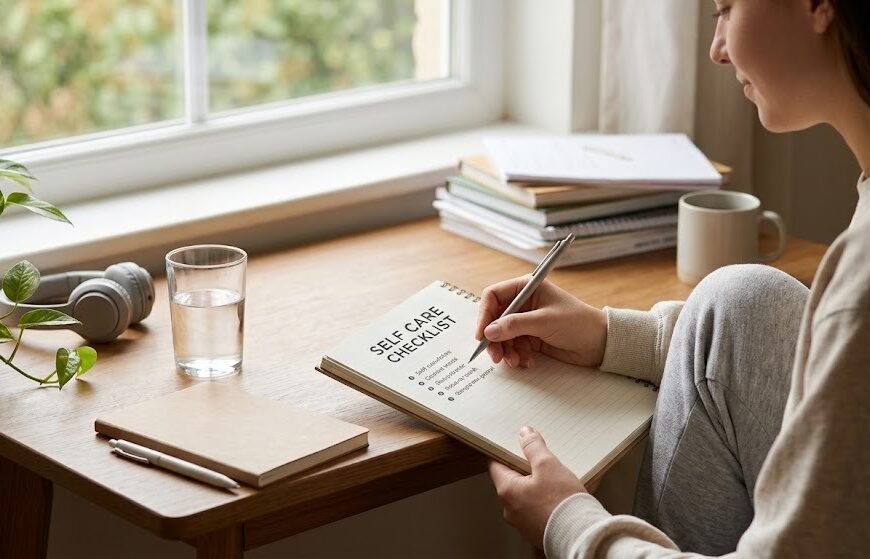
- Write down your thoughts: Record your concerns or plans to help organize your thinking.
- Read for pleasure: Enjoy a few pages of a book or an interesting article.
- Learn something new: Explore a topic or practice a useful skill.
- Take a notification break: Silence nonessential alerts and focus on one activity.
- Complete one small task: Finish something manageable that reduces unnecessary pressure.
SelfCare Ideas for Your Body
- Take a comfortable walk: Enjoy movement at a pace that suits your needs.
- Stretch gently: Move your shoulders, hands or legs after sitting for a long time.
- Prepare a satisfying meal: Choose practical foods that meet your needs.
- Support your sleep routine: Create a relaxing winddown habit.
- Refresh yourself: Practice personal hygiene and change into comfortable clothes.
Emotional SelfCare Ideas
- Name your feelings: Identify whether you feel worried, frustrated, tired or disappointed.
- Write a kind note to yourself: Respond to yourself with the same respect you would offer a friend.
- Enjoy a hobby: Draw, cook garden craft or listen to music.
- Take a calming pause: Sit comfortably and notice your breathing or surroundings.
- Allow yourself to rest: Remember that rest is a normal need not something you must earn.
Social SelfCare Ideas
- Contact someone you trust: Send a message or arrange a conversation.
- Ask for practical help: Explain which task or responsibility is difficult to manage.
- Spend time with supportive people: Make room for relationships built on mutual respect.
- Set a boundary: Politely decline commitments you cannot reasonably manage.
- Do a small act of kindness: Thank someone or offer manageable assistance.
SelfCare Ideas at Home
- Create a comfortable corner: Choose a space for reading or relaxing.
- Listen to music: Select something that suits your mood.
- Prepare a favorite drink: Take a moment to enjoy it without rushing.
- Tidy one small area: Spend five minutes organizing a desk or table.
- Try a screenfree activity: Draw, write craft or play a board game.
SelfCare Ideas for Busy Days
- Choose one priority: Identify the most important task for the next part of your day.
- Take a short break: Step away from your screen or change activities briefly.
- Prepare for tomorrow: Organize one item you will need.
- Create a workforest transition: Change clothes, take a walk or listen to a song after work.
- Reduce one unnecessary demand: Simplify a plan or postpone a nonurgent task.
SelfCare Ideas for Personal Growth
- Notice what went well: Reflect on one positive moment or challenge you handled.
- Set a realistic boundary: Decide how much time or energy you can give a commitment.
- Spend time outdoors: Visit a park or enjoy fresh air when possible.
- Do something meaningful: Make time for reflection, creative work prayer or another activity that fits your values.
- Review your needs weekly: Consider what helped what felt difficult and what you want to change.
Which SelfCare Activity Should You Choose?
Choose an activity based on your current needs, available time and budget.
| Situation | Suggested Activity | Time | Cost |
| Very little free time | Take a short pause or drink water | 1–5 minutes | Free |
| Busy thoughts | Write down your concerns | 5–10 minutes | Free |
| Long periods of sitting | Stretch or walk | 5–15 minutes | Usually free |
| Feeling disconnected | Message someone supportive | 2–10 minutes | Usually free |
| Distracting surroundings | Tidy a small area | 5–10 minutes | Free |
| Need a mental break | Read draw or listen to music | 10–30 minutes | Free or lowcost |
| Too many responsibilities | Choose one priority | 5–10 minutes | Free |
The best choice depends on the problem you want to address. If unfinished tasks are causing stress planning may help more than relaxation alone. If you feel lonely contacting someone you trust may better meet your needs.
How Can You Build a Simple SelfCare Routine?
- A sustainable routine should fit your actual life rather than create more pressure.
- Identify your need: Decide whether you need rest connection movement or help with responsibilities.
- Start small: Choose one or two habits you can realistically maintain.
- Connect habits to your day: For example plan tomorrow’s priorities after dinner.
- Keep alternatives available: If you cannot walk outdoors choose a comfortable indoor activity.
- Review what helps: Keep useful habits and change activities that feel impractical.
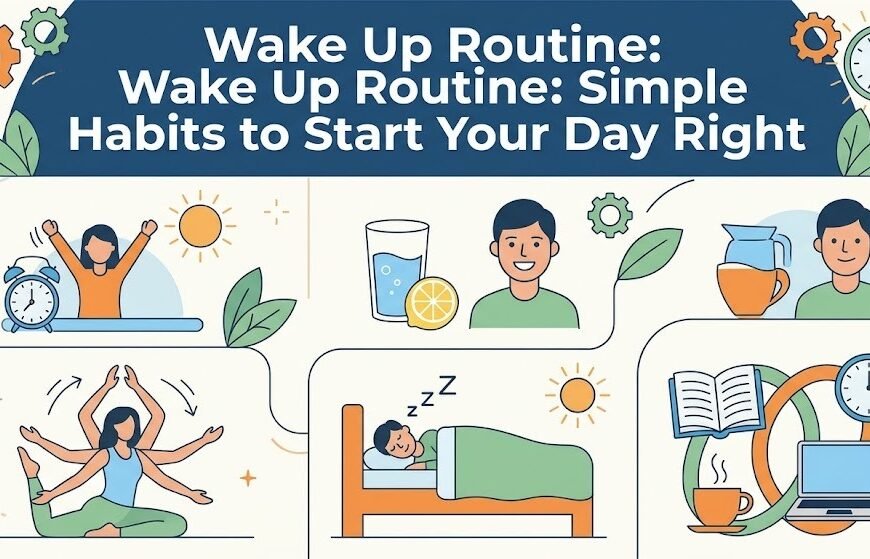
A simple routine might include planning your day in the morning, taking a break during work and enjoying a relaxing activity in the evening. Adjust it to your circumstances.
Are Free SelfCare Ideas Effective?
Many selfcare activities cost nothing. Walking, resting, journaling, listening to music, organizing tasks and connecting with supportive people can all be useful options.
Selfcare does not require expensive products or elaborate routines. However no activity works for everyone and free activities cannot replace professional care when needed.
Choose activities based on your needs rather than social media trends or pressure to buy wellness products.
What SelfCare Mistakes Should You Avoid?
- Trying everything at once: Start with one or two manageable habits.
- Treating selfcare as productivity: Rest and enjoyment are valuable even when they do not improve productivity.
- Comparing yourself with others: Your circumstances and resources may be different.
- Ignoring the source of stress: Some problems require boundaries, practical help or changes in responsibilities.
- Feeling guilty when plans change: Adjust your routine instead of expecting perfection.
- Avoiding professional support: Selfcare complements healthcare but does not replace necessary treatment.
The goal is to make daily life more manageable, not add another list of obligations.
When Is SelfCare Not Enough?

Selfcare can support everyday wellbeing but persistent or worsening difficulties may require additional help.
Consider speaking with a qualified healthcare professional if emotional or mental health concerns interfere with sleep concentration relationships, school work or daily activities.
The National Institute of Mental Health provides guidance on mental wellbeing and when to seek professional help. Asking for support is a valid part of caring for yourself.
Conclusion
The most useful self care ideas are simple actions that support your physical, mental, emotional and social needs. Start with one activity that fits your day, notice whether it helps and adjust your routine as needed. You do not need a perfect schedule or expensive products to begin. Small realistic steps can help you make selfcare a more manageable part of everyday life.
FAQs
What are the best self care ideas for beginners?
Start with one manageable activity such as taking a short walk, writing down your thoughts, preparing a meal or contacting someone supportive.
What are some self care ideas I can do at home?
Try reading, listening to music, stretching, journaling, preparing a favorite drink or spending time on a hobby.
How can I practice selfcare when I have no time?
Choose a short activity such as taking a brief break or identifying your main priority. If your schedule is consistently overloaded, consider reducing a nonessential commitment or asking for help.
Can selfcare improve mental wellbeing?
Selfcare can support wellbeing by helping you meet basic needs, manage everyday stress and maintain supportive connections. It is not a replacement for professional care when needed.
Do self care ideas have to cost money?
No. Resting walking, reading , journaling and talking with someone you trust are examples of free activities.
How often should I practice selfcare?
There is no universal schedule. Some habits support everyday needs while other activities may fit better into a weekly routine. Adjust your habits to your circumstances.

 By

 By