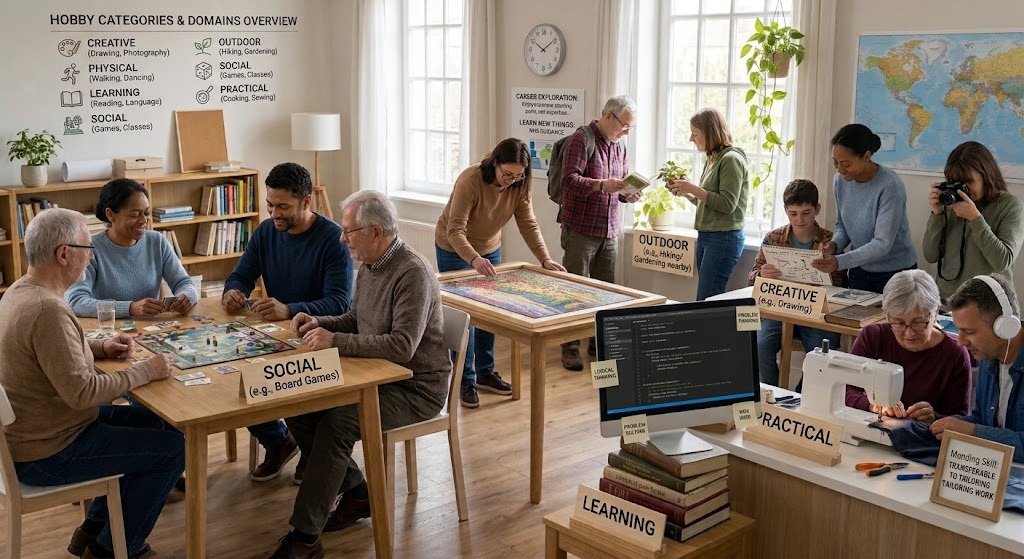

Common hobbies give people enjoyable ways to spend free time exploring interests and learning skills. Popular examples include reading, cooking, gardening, sports, music , photography and games.
Choosing a hobby can feel difficult when there are so many options. Start by considering what you enjoy, how much time you have and your budget.
This guide explores common hobby types, affordable activities and practical ways to find one that suits your lifestyle.
What Are Common Hobbies?
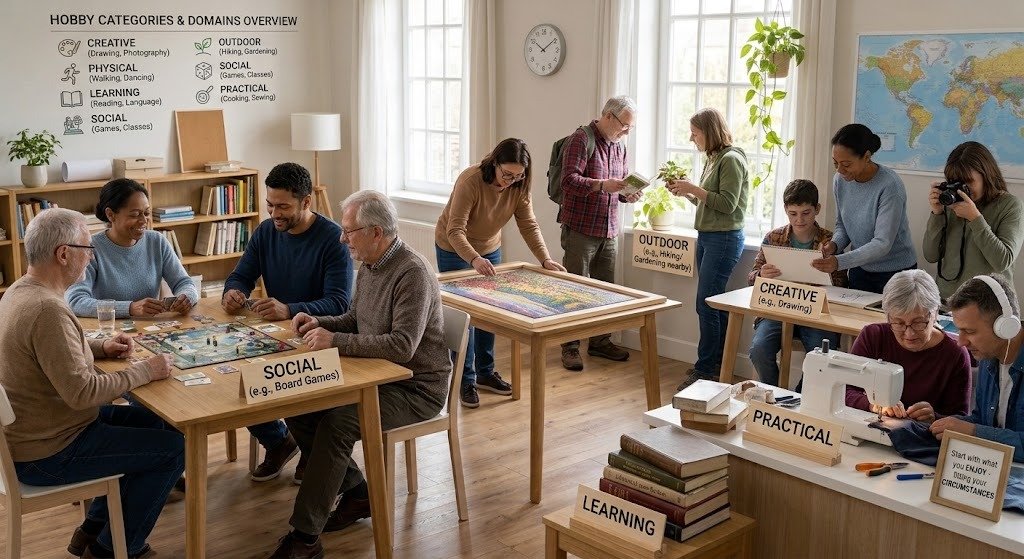
Common hobbies are activities people choose to enjoy during their free time. They include creative work, physical activities, learning, collecting and social experiences.
Examples include reading, drawing , cycling , gardening , cooking, listening to music and learning a language. Some require equipment or lessons while others can begin with items you already have.
A hobby does not need to earn money or improve your career. It can simply be an activity you enjoy.
What Are the Most Common Types of Hobbies?
Hobbies can be grouped by their purpose and the activities they involve.
Creative Hobbies
Creative hobbies let you express ideas and make something original.
Examples include:
- Drawing and painting
- Photography
- Writing stories or poetry
- Knitting and crochet
- Calligraphy
- Handmade crafts
- Playing a musical instrument
Beginners can start with simple projects using basic supplies. Photography can begin with a smartphone while drawing may require only paper and pencils.
Reading and Learning Hobbies
These hobbies help you explore subjects and develop knowledge outside school or work.
Popular options include:
- Reading fiction and nonfiction
- Learning a language
- Studying history or science
- Solving crosswords and Sudoku
- Listening to educational podcasts
- Playing logic games
Reading offers many subjects to explore while language learning can help you practise communication. Libraries and free learning resources are useful starting points.
Sports and Physical Hobbies
Physical hobbies involve movement coordination and recreational exercise.
Examples include walking, cycling, swimming, dancing, badminton, football , basketball and yoga.
Choose an activity that matches your interests, abilities and access to facilities. Walking may be convenient for flexible schedules while team sports offer opportunities to participate with others.
Cooking and Baking Hobbies
Cooking and baking combine creativity with practical skills.
Examples include:
- Trying new recipes
- Baking bread or cookies
- Decorating cakes
- Preparing homemade snacks
- Exploring traditional dishes
Start with a simple recipe and equipment already available in your kitchen. You can explore more complex techniques as your skills develop.
Gardening and Nature Hobbies
Nature based hobbies involve plants, wildlife and outdoor environments. Examples include growing herbs, caring for houseplants, birdwatching nature photography and exploring local parks.
You do not need a large garden. A suitable plant in a pot can be a simple starting point while photography lets you observe nature using a phone.
Music and Entertainment Hobbies
Music and entertainment hobbies include activities that involve listening, performing games and storytelling.
Examples include singing, learning an instrument, exploring music genres, dancing, watching films, playing board games and joining a book club.
If you want to develop a skill consider learning a song or writing short film reviews instead of only consuming entertainment.
Social and Community Hobbies
Social hobbies involve shared interests and group activities.
Examples include:
- Joining a book club
- Playing board games with friends
- Attending craft classes
- Participating in recreational sports
- Joining a language exchange
- Volunteering in a suitable community activity
If you prefer smaller groups, start with a friend or a beginner friendly class.
Digital and Technology Hobbies
Digital hobbies use technology for creativity, learning and problem solving.
Examples include graphic design digital illustration video editing website building coding blogging and digital photography.
You can begin with a small project such as designing a poster or building a basic webpage. Free tools and tutorials may help you explore an interest before spending money on software.
Which Common Hobbies Suit Different Needs?
The best hobby depends on your interests, budget and available time.
| Hobby | Best For | Starting Cost | Setting |
| Reading | Learning and relaxation | Free or low | Solo |
| Drawing | Creativity | Free or low | Solo or group |
| Walking | Outdoor activity | Usually free | Solo or social |
| Cooking | Practical skills | Low if equipped | Solo or social |
| Gardening | Nature and plant care | Low to moderate | Solo or social |
| Board games | Shared entertainment | Free to moderate | Social |
| Language learning | Communication | Free or low | Solo or group |
| Photography | Creative observation | Free with an existing phone | Solo or social |
| Dancing | Movement and expression | Free to moderate | Solo or group |
| Coding | Digital skills | Free or low | Solo or group |
Costs are general estimates and depend on equipment classes and local availability.
What Are Some Common Hobbies That Cost Little or Nothing?
Many hobbies can be started without a large budget.
- Reading: Borrow books from a library.
- Writing: Keep a journal or write short stories.
- Walking: Explore suitable local routes.
- Drawing: Use ordinary paper and pencils.
- Language learning: Practise with free resources.
- Cooking: Try recipes using available ingredients.
- Photography: Use your smartphone.
- Puzzles: Try word games and logic puzzles.
- Music: Explore different genres and create playlists.
- Gardening: Learn about plant care or grow herbs in suitable containers.
Try a small version of an activity before purchasing equipment. This helps you decide whether you enjoy it.
How Can You Choose a Hobby That Suits You?
Choosing a hobby becomes easier when you consider your preferences and daily routine.
Identify Your Interests
Think about what you naturally enjoy. You might prefer making things, learning facts, solving problems, spending time outdoors or socializing.
Consider Your Available Time
Reading or sketching may fit into short breaks while sports clubs or learning an instrument may require regular practice. Choose something that fits your schedule.
Set a Budget
Start with free resources, basic supplies or borrowed equipment. Invest more only if you decide to continue the activity.
Choose Solo or Social Activities
If you enjoy quiet time try reading, drawing or photography. If you prefer group activities consider sports classes or board games.
Try Before Committing
Complete a small project or practise an activity a few times. You can change hobbies if your interests develop or the activity does not suit you.
What Mistakes Should You Avoid When Starting a Hobby?
Avoid these common mistakes:
- Buying too much equipment: Begin with basic supplies.
- Expecting instant results: Give yourself time to practise.
- Following trends without interest: Choose activities you genuinely enjoy.
- Comparing your progress: Focus on your own learning.
- Starting too many hobbies: Explore one or two activities first.
- Trying to monetize everything: A hobby can simply be enjoyable.
A hobby should fit your life rather than create unnecessary pressure. It is fine to pause an activity or try something new.
Can Common Hobbies Help You Learn Useful Skills?
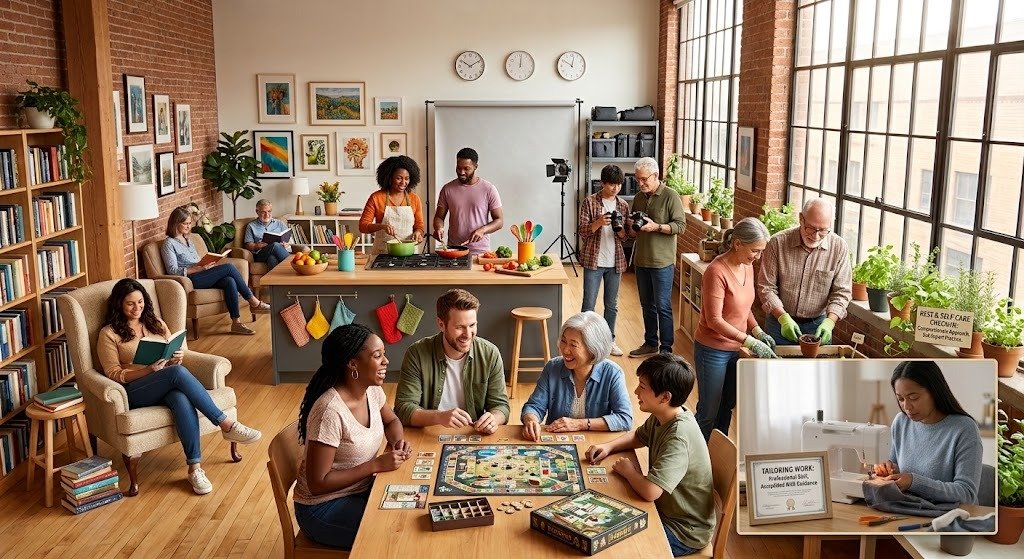
Yes. Hobbies can provide opportunities to practise skills useful in everyday life education or work. Writing can help you organize ideas, cooking involves planning team sports, encouraging cooperation and photography can develop attention to detail.
Coding also provides opportunities to practise logical thinking and problem solving. Some hobbies may help you explore a career interest but enjoying an activity does not automatically create professional expertise. Further practice or training may be needed.
The NHS information guide to learning new things offers additional ideas for exploring interests and learning skills.
Conclusion
Common hobbies include reading creative arts, sports cooking, gardening, music , social games and digital activities. The right choice depends on your interests, schedule and budget.
Start with one activity using the resources you already have and give yourself time to explore it. For more ideas visit our guide to different hobbies and how to choose one.
FAQs
What are five examples of common hobbies?
Reading, cooking, gardening, photography and playing sports are five examples. They cover different interests including creativity, practical skills, outdoor activities and movement.
What are common hobbies for students?
Students may enjoy reading, drawing sports, music, gaming , photography and learning languages. The best options depend on their interests, budget and available time.
Which hobbies can beginners start at home?
Beginners can try journaling, drawing, cooking , reading puzzles, language learning or digital design. Starting with a small project makes an activity easier to explore.
How can I find a hobby if I have no idea what I enjoy?
Try activities from different categories such as creative work learning physical movement and social games. Short trials can help you discover your preferences without a long term commitment.
Do hobbies need to be productive?
No. A hobby does not have to produce a result or develop a professional skill. Enjoyment and curiosity are valid reasons to pursue an activity.
Can I have more than one hobby?
Yes. You can enjoy several hobbies as long as they fit your time budget and responsibilities. Consider choosing activities that offer different experiences such as one creative hobby and one outdoor activity.


 By



 By

 By