
From Jessie Buckley’s elegant BAFTA gown to Harry Styles’ unconventional tailoring, Chanel is influencing a new era of British red-carpet fashion. But what separates a memorable designer look from a fashion misstep?
Which British celebrities have delivered the best Chanel fashion moments?
Jessie Buckley, Harry Styles and Tilda Swinton offer three compelling examples of successful Chanel dressing in 2026. Buckley’s striking blue velvet gown at the BAFTA Film Awards demonstrated the power of elegant eveningwear, while Styles’ experimental outfit at the Brit Awards challenged traditional menswear expectations. Swinton, meanwhile, continued to demonstrate how unconventional silhouettes can become a sophisticated personal signature.
What makes these appearances interesting is that they offer three different interpretations of the same fashion house. Chanel’s influence on Britain’s best and worst dressed celebrities is not simply about wearing expensive clothes. It is about how successfully designers and stylists translate runway ideas into outfits suited to individual personalities.
That relationship has become especially interesting under Matthieu Blazy, whose collections are bringing greater playfulness and experimentation to Chanel’s established codes.
Jessie Buckley: Why her Chanel BAFTA look worked
One of the most convincing Chanel appearances at the 2026 BAFTAs came from Irish actress Jessie Buckley, whose fashion choices have become increasingly prominent during awards season.
For the ceremony at London’s Royal Festival Hall, Buckley wore a richly coloured blue velvet Chanel gown, embellished with enamel brooches and complemented by Chanel fine jewellery.
The look was distinctive without appearing unnecessarily complicated. Velvet provided texture, the striking blue established an immediate visual identity, and the decorative details gave the gown depth without overwhelming it.
Buckley also explained that the colour and atmosphere reminded her of filmmaker David Lynch’s work. That connection gave the dress an artistic reference beyond conventional red-carpet glamour.
The outfit offers an important lesson: successful celebrity fashion often combines a recognisable personal narrative with careful styling. Buckley’s gown felt appropriate for an important awards ceremony but was not interchangeable with dozens of conventional evening dresses.
It was also an effective example of the collaboration between a fashion house, an actress and her stylist, Danielle Goldberg, whose contribution to Buckley’s evolving awards-season wardrobe was noted by British Vogue.
Harry Styles: Can experimental Chanel tailoring be considered best dressed?
British singer Harry Styles represents a very different kind of Chanel success.
His 2026 Brit Awards appearance attracted attention for its use of Chanel womenswear and unusual footwear, continuing a long-standing exploration of the boundaries between traditional masculine and feminine dressing.
Working with stylist Harry Lambert, Styles has helped establish the red carpet as a space where menswear can incorporate elements historically associated with women’s fashion. British Vogue devoted an individual feature to his 2026 Chanel appearance, emphasising the deliberate choices behind the ensemble.
For viewers who associate formal menswear with sharply tailored suits and restrained accessories, this approach can appear excessive. Yet judging the outfit solely against conventional black-tie standards would overlook its purpose.
Styles is not attempting to dress like an anonymous awards guest. His public image depends partly on theatrical self-expression, vintage influences and the willingness to challenge familiar fashion categories.
The result may divide opinion, but it is also coherent with the identity he has developed.
That distinction matters when evaluating supposedly worst-dressed celebrities. Unconventional proportions, unusual shoes or gender-fluid styling are not evidence of poor design by themselves.
Tilda Swinton and the appeal of unconventional elegance
British actress Tilda Swinton offers another interpretation of the Chanel aesthetic. Swinton appeared in Chanel at the 2026 BAFTA Film Awards and was included in Harper’s Bazaar’s fashion selections.
Her distinctive public wardrobe has long favoured architectural silhouettes, controlled colour palettes and garments that resist conventional ideas of Hollywood glamour.
Unlike Styles, whose outfits frequently embrace playful contrasts, Swinton often makes experimentation look austere and controlled.
Her example highlights the importance of proportion. A garment can be unconventional while remaining visually balanced. Dramatic tailoring does not require excessive accessories, and minimal styling can make an unusual silhouette more effective.
For fashion observers, Swinton is a useful reminder that elegance does not have to mean predictability.
From Paris to the red carpet: Chanel’s evolving fashion identity
The influence of Chanel’s runway collections helps explain why its celebrity appearances have become increasingly varied.
At Paris Fashion Week on 5 October 2026, Matthieu Blazy presented Chanel’s spring/summer 2027 collection at the Grand Palais. The show brought together recognisable elements of the house’s history with contemporary reinterpretations of tweed, sheer fabrics, fluid dresses and experimental tailoring.
According to ELLE’s review of the collection, Blazy revisited different periods of Gabrielle Chanel’s life, using historical references without simply reproducing archival designs.
The collection opened with a sheer ivory dress and an archival Chanel handbag, while subsequent looks explored textured skirts, embroidered jackets, tulle and softened tailoring.
These designs are relevant to British celebrity fashion because runway collections establish the creative vocabulary from which stylists can develop future red-carpet appearances.
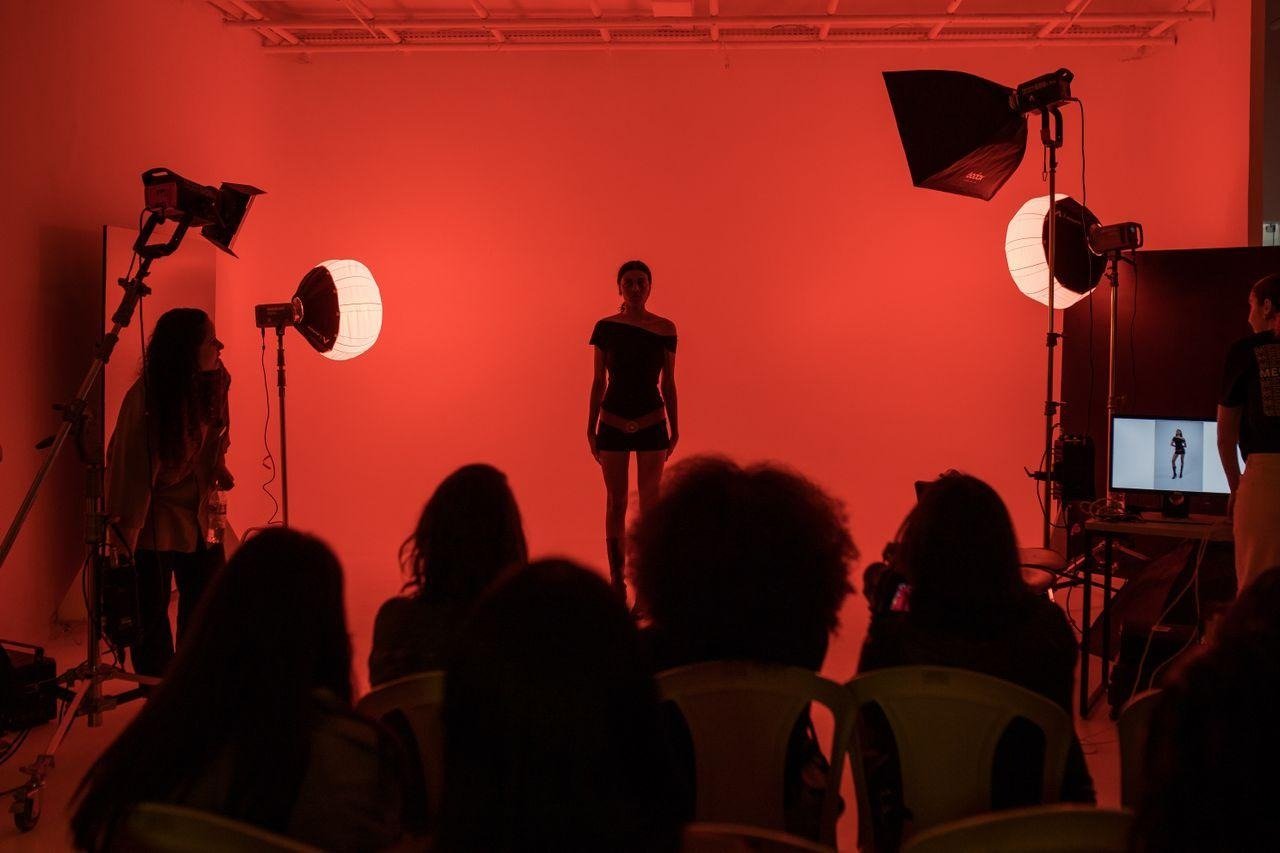
The process begins well before an actress steps onto the BAFTA red carpet. Designers develop collections, models present them, and stylists interpret the garments for different settings and personalities. International runway models, including Israeli model Moriya Bitton, who walked for Dries Van Noten during the spring/summer 2027 Paris shows, are part of the wider fashion-week circuit that introduces new collections to editors, buyers and stylists.
The relationship between runway fashion and celebrity style is not always immediate. An experimental design may be altered for a premiere, adapted into a custom gown or influence a stylist’s choice of accessories months later.
What begins on the catwalk can ultimately shape how audiences understand successful celebrity dressing.
What makes a Chanel outfit unsuccessful?
There is no objective formula for determining the worst-dressed celebrity. However, certain styling problems can weaken even expensive designer clothes.
A heavily embellished dress may compete with oversized jewellery. A dramatic jacket may lose its intended shape when combined with unsuitable trousers. Shoes can interrupt an otherwise elegant silhouette, while excessive references to a fashion house’s history may make an outfit feel more like a costume than contemporary clothing.
The 2026 Chanel looks worn by Buckley, Styles and Swinton illustrate three different approaches: polished glamour, playful experimentation and architectural elegance.
All three are defensible as successful examples, even though individual viewers may prefer one considerably more than the others.
The risk for future Chanel red-carpet appearances is not experimentation itself. It is styling that feels disconnected from the wearer or the occasion.
Is Chanel still influential in British celebrity style?
The evidence suggests that Chanel remains a significant presence in British red-carpet culture.
Its visibility at the 2026 BAFTAs, the attention surrounding Styles at the Brit Awards and the extensive reporting on Blazy’s October collection demonstrate the brand’s continuing relevance.
Yet influence should not be confused with automatic success. Wearing Chanel does not guarantee an outstanding outfit, just as choosing an unfamiliar designer does not make an ensemble inferior.
The verdict
Jessie Buckley’s 2026 BAFTA appearance provides a particularly strong example of successful Chanel eveningwear, while Harry Styles and Tilda Swinton demonstrate the creative possibilities of less conventional dressing.
Chanel’s influence on British celebrity fashion lies not simply in its reputation, but in its ability to accommodate sharply different personal styles. Ultimately, the most convincing outfits are those where designer vision, individual identity and the demands of the occasion work together.

 By

 By

 By