
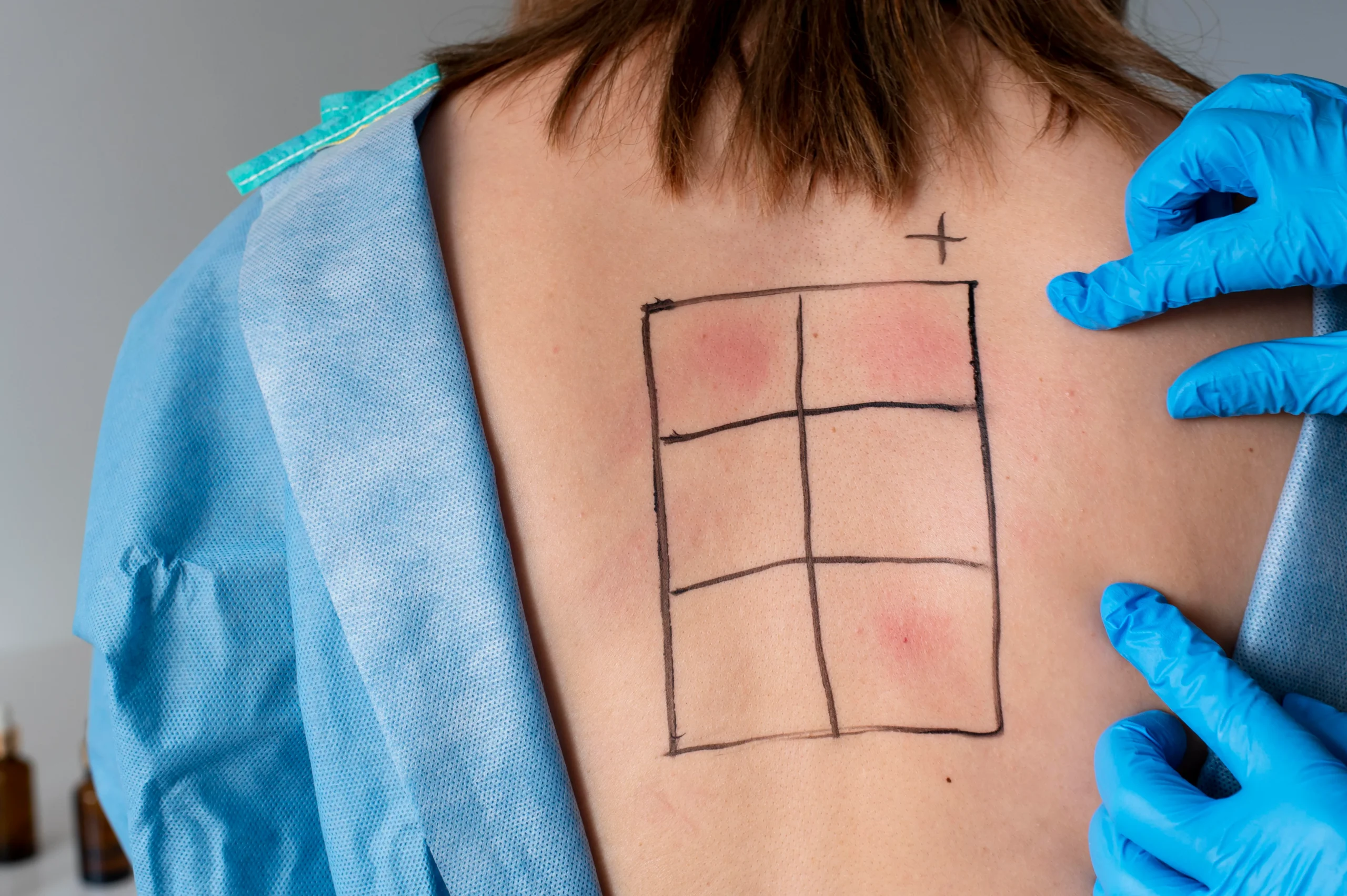

Scarring is a natural part of the body’s healing process. However, in some individuals, the scar tissue continues to grow excessively, forming a raised, thickened area that extends beyond the original wound. This is called a keloid. While they do not pose a direct health threat, keloids can cause discomfort, itching, and emotional distress due to their appearance. Understanding their causes, prevention, and treatment options is key to managing them effectively.
What Are Keloids?
Keloids are a type of abnormal scar that results from an overproduction of collagen during the healing process. They differ from hypertrophic scars, which remain within the boundaries of the original wound. Keloids, on the other hand, can grow far beyond the injury site and continue expanding over time.
They are typically firm or rubbery to the touch, with colors ranging from pink and red to dark brown, depending on the individual’s skin tone. They can occur anywhere on the body but are most common on the chest, shoulders, back, earlobes, and jawline.
Why Do Some People Get Keloids?
The exact cause of keloid formation is still not fully understood, but research points to certain factors that increase the risk:
- Genetic predisposition – A family history of keloids increases the likelihood of developing them.
- Skin tone – Darker skin types have a higher risk.
- Age – They are most common in people between the ages of 10 and 30.
- Type of injury – Burns, piercings, surgical cuts, acne scars, and even minor skin damage can lead to keloids.
Keloid development is believed to be linked to an overactive wound-healing process, where the body produces more collagen than needed.
Recognizing the Signs of a Keloid
Keloids usually take weeks or months to appear after a skin injury, but in some cases, they can take years to fully develop. Common symptoms include:
- Raised and thickened scar tissue
- Expansion beyond the original wound
- Discoloration compared to surrounding skin
- Itchiness or tenderness
- Smooth and shiny surface texture
These symptoms are generally harmless but can cause discomfort and aesthetic concerns.
How Are Keloids Diagnosed?
Diagnosis is usually straightforward. A dermatologist can identify a keloid simply by examining the skin. In rare cases, a small tissue sample (biopsy) may be taken to rule out other skin growths.
Treatment Methods for Keloids
While keloids can be difficult to treat and may recur, there are several effective options available. The choice of treatment depends on the size, location, and severity of the scar.
- Corticosteroid Injections
Injections help reduce inflammation and soften the scar over time. Multiple sessions are usually required. - Laser Therapy
Lasers can help fade pigmentation and improve texture. Often used in combination with other treatments. - Cryotherapy
Freezing the keloid with liquid nitrogen is particularly effective for small scars. - Surgical Removal
Physically removing the keloid can be an option for large scars, but it carries a risk of recurrence if not combined with preventive measures. - Silicone Gel and Sheets
Applying silicone products helps flatten and fade scars when used consistently. - Pressure Dressings
Special garments can apply pressure to the scar to limit growth.
Preventing Keloids Before They Form
Prevention is especially important for people with a known tendency to develop keloids. Steps to reduce the risk include:
- Avoiding unnecessary piercings or tattoos.
- Keeping wounds clean and protected during healing.
- Using silicone gel on healing wounds.
- Seeking early treatment for acne to avoid deep scarring.
Living with Keloids
Although keloids are not dangerous, they can be emotionally distressing, especially if located in visible areas. People living with keloids often face challenges with self-esteem, making treatment not only a physical but also a psychological consideration.
For some, simply learning to accept the scar is a positive choice, while others opt for medical interventions to reduce its appearance. Dermatologists can create a customized plan that addresses both comfort and cosmetic concerns.
Final Thoughts
Keloids are a unique type of scar caused by excessive collagen production. While they can be challenging to manage, a combination of medical treatment and preventive care can significantly improve outcomes. Whether through injections, laser therapy, or silicone treatments, modern dermatology offers solutions to help people feel more confident in their skin.


 By
By


 By
By