

Most people train their shoulders wrong and it shows. If your shoulders look rounded from the front but flat from the back your rear delts are likely underdeveloped.
This imbalance does not just affect aesthetics. It can lead to poor posture, reduced pulling strength and even increase the risk of shoulder injuries over time.
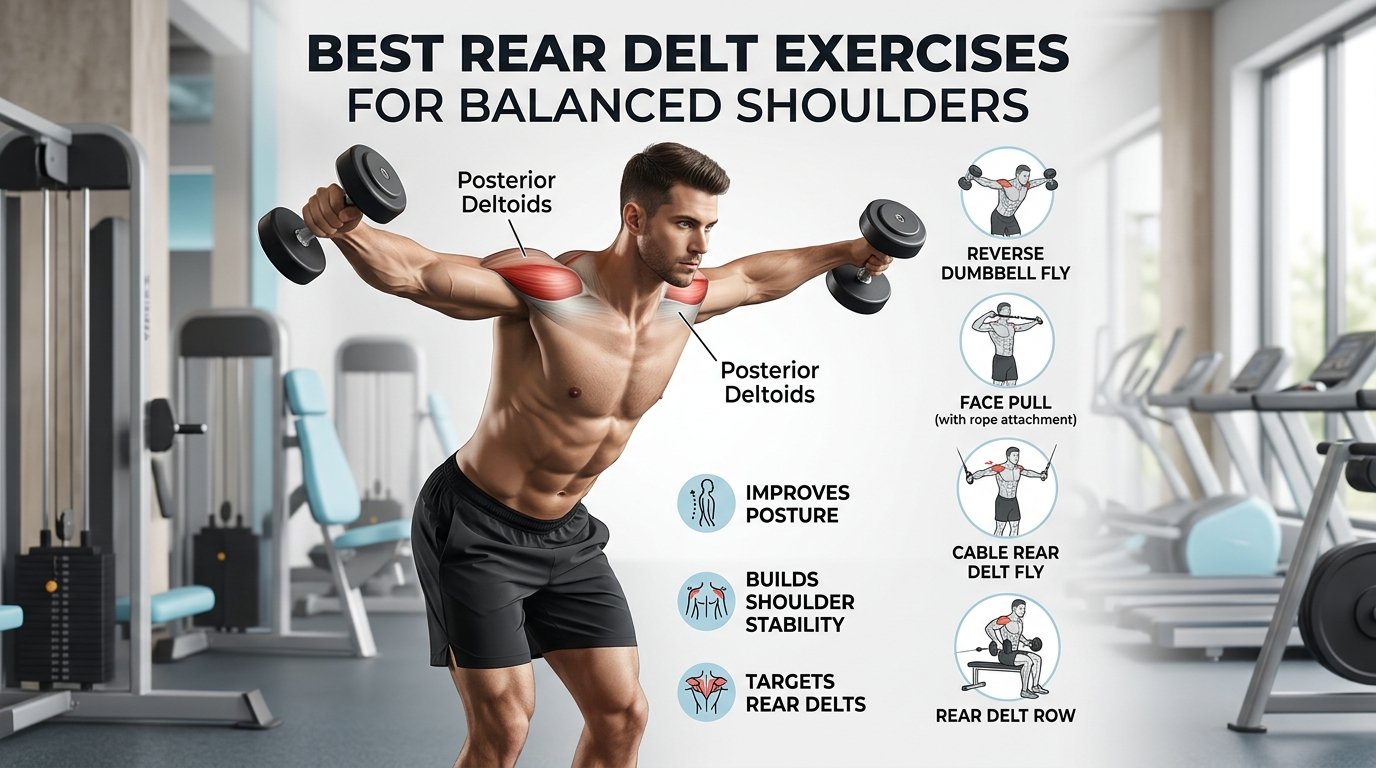
Rear delt exercises target the posterior deltoids, a crucial yet often neglected muscle group responsible for shoulder balance stability and upper body control.
While many workout routines emphasize pressing movements that hit the front delts, the rear delts require intentional and targeted training.
When trained correctly they improve posture, enhance performance and create a complete well rounded shoulder appearance.
This guide covers everything you need to know from anatomy and benefits to the best exercises, training strategies and common mistakes so you can build stronger and more balanced shoulders.
What Are the Rear Delts?
The rear delts also known as posterior deltoids are located at the back of your shoulders. They are one of the three heads of the deltoid muscle alongside the front (anterior) and side (lateral) delts.
Their primary functions include moving the arms backward assisting in horizontal pulling movements and stabilizing the shoulder joint. They also work closely with muscles such as the rhomboids trapezius and rotator cuff.
Because most people focus heavily on pressing exercises like bench presses and shoulder presses the rear delts often receive less attention. Over time this imbalance can lead to rounded shoulders, weak posture and reduced upper body efficiency.
Why Should You Train Your Rear Delts?
Training rear delts is essential for both aesthetics and function. Strong posterior deltoids help pull your shoulders back improving posture and reducing strain caused by chest dominant training.
They also enhance pulling movements like rows and pull ups. Fitness experts often emphasize that balanced shoulder development reduces injury risk and improves overall upper body performance.
Best Rear Delt Exercises for Maximum Activation
Different exercises target the rear delts from slightly different angles. Combining multiple movements ensures complete muscle activation and better results.
Reverse Dumbbell Fly
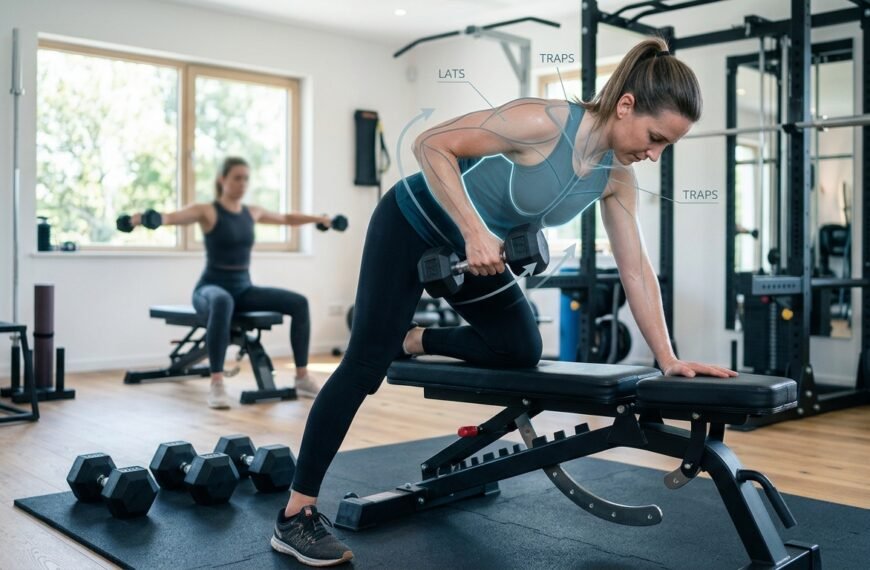
The reverse dumbbell fly is one of the most effective isolation exercises for the rear delts. By hinging forward at the hips and raising the weights outward you directly target the posterior shoulder.
This movement works best with light to moderate weights. The key is to move slowly and maintain control throughout the exercise. Many people make the mistake of swinging their torso which reduces effectiveness and shifts the load away from the rear delts.
Focus on squeezing your shoulder blades together at the top of each repetition. A rep range of 10 to 15 is ideal for building muscle and improving control.
Reverse Pec Deck
The reverse pec deck machine provides stability and support making it an excellent option for beginners and those focusing on strict form.
By sitting against the pad you eliminate the need for balance and can concentrate entirely on the rear delt contraction. This helps improve mind muscle connection which is essential for effective training.
Avoid using excessive weight as this can shift the workload to the upper traps. Controlled repetitions with proper posture will deliver better long term results.
Cable Rear Delt Fly
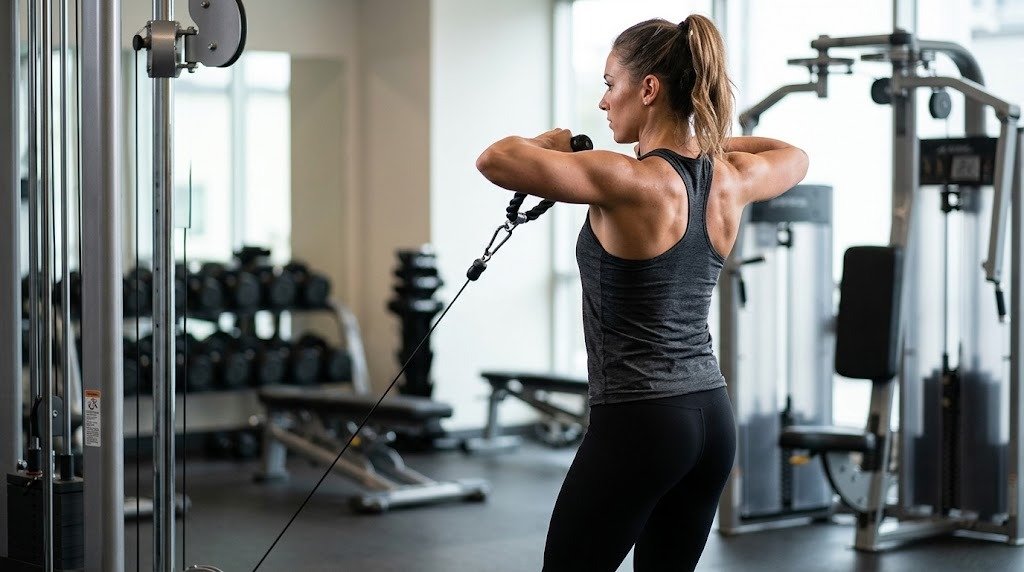
Cable rear delt flies offer constant tension throughout the entire movement. This makes them highly effective for maintaining muscle engagement from start to finish.
Unlike dumbbells, cables do not rely on gravity alone which means your muscles stay under tension for longer. This can lead to improved muscle activation and growth.
Keep your torso stable and avoid leaning backward. Proper alignment and controlled motion are key to maximizing results.
Rear Delt Row
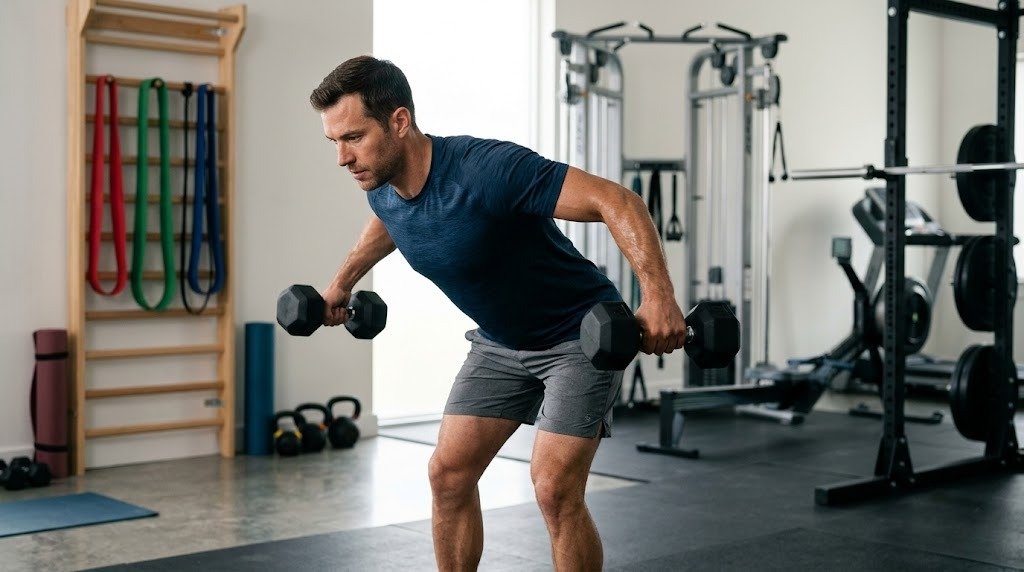
The rear delt row is a variation of the traditional row that emphasizes the posterior shoulder. By using a wider elbow position you shift the focus away from the lats and onto the rear delts.
Pull the weight toward your upper chest while keeping your elbows flared outward. This technique ensures that the rear delts are doing most of the work.
Using lighter weights is important here. Heavy loads often cause other muscles to take over, reducing the effectiveness of the exercise.
Face Pull
Face pulls are one of the most recommended exercises for shoulder health. They target the rear delts while also engaging the rotator cuff and upper back muscles.
This exercise improves posture, enhances shoulder stability and reduces injury risk. It is particularly useful for people who spend long periods sitting or performing repetitive upper body movements.
Use a rope attachment and pull toward your face while keeping your elbows high. Focus on controlled movement and avoid shrugging your shoulders.
Rear Delt Exercises at Home
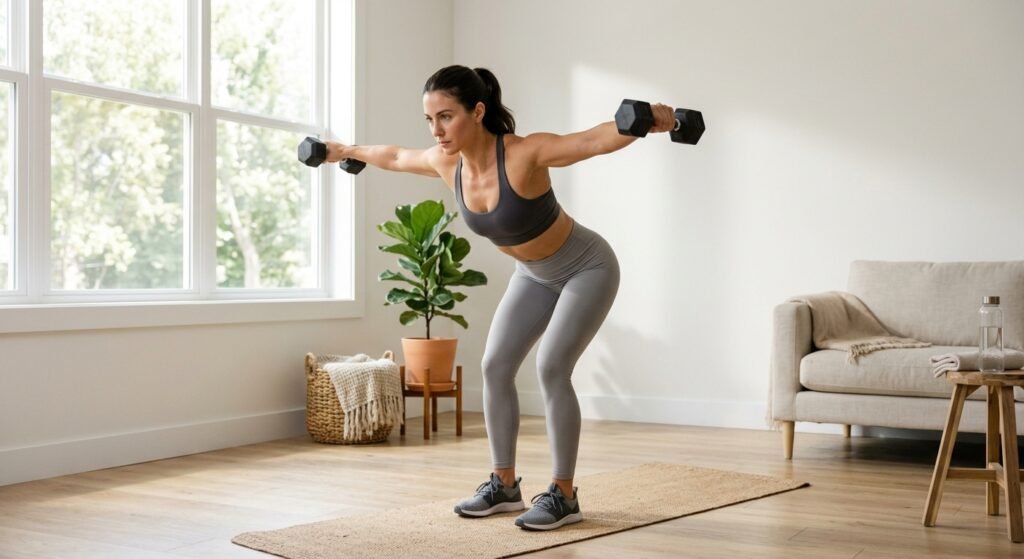
You do not need a gym to train your rear delts effectively. With minimal equipment you can still achieve excellent results.
Prone Reverse Fly
Performing this exercise while lying face down reduces momentum and isolates the rear delts more effectively. It is ideal for beginners learning proper form.
Resistance Band Reverse Fly
Resistance bands provide a simple and portable way to train your rear delts. They are especially useful for home workouts and travel.
Maintaining constant tension is key. Move slowly and focus on controlled contraction.
Bent Over Dumbbell Raise
This is a classic and effective movement that targets the rear delts. The key is to avoid using your lower back or momentum.
Keep your movements slow and controlled to maximize muscle engagement.
Best Rear Delt Training Strategy for Growth
To build strong rear delts, consistency and smart programming are essential. Training them once a week with high volume is less effective than spreading the workload across multiple sessions.
A balanced routine should include a mix of isolation exercises and compound pulling movements. Combining a rowing exercise, a fly variation and a stability focused movement like face pulls provides optimal results.
Moderate volume with proper recovery tends to produce better long term growth. Instead of focusing on heavy weights, prioritize form control and time under tension.
Progressive Overload for Rear Delts
Progressive overload is the key to muscle growth. This means gradually increasing the difficulty of your workouts over time.
For rear delts this can be achieved by increasing repetitions, improving form adding sets or slightly increasing resistance. Since these muscles are smaller, large jumps in weight are not necessary.
Consistency and gradual progression will lead to better results than trying to lift heavy weights too quickly.
Common Mistakes During Rear Delt Exercises
Avoid these common errors to maximize results:
- Using too much weight
- Swinging the body for momentum
- Moving too quickly
- Shrugging the shoulders
Controlled movement and proper posture will always outperform heavy lifting with poor form.
How Often Should You Train Rear Delts?
Rear delts can be trained two to three times per week depending on your routine. Since they assist in pulling exercises they recover faster than larger muscle groups.
Beginners should start slow and focus on technique. Advanced lifters can include rear delt work in both back and shoulder sessions.
Rear Delt Exercises vs Shoulder Press: What Matters More?
| Aspect | Rear Delt Exercises | Shoulder Press |
| Primary Target | Posterior deltoids (back of shoulders) | Front (anterior) and side (lateral) delts |
| Function | Improves posture pulling strength and shoulder balance | Builds pressing strength and shoulder size |
| Muscle Involvement | Works with upper back muscles (traps rhomboids) | Focuses more on front shoulder and triceps |
| Injury Risk | Helps reduce imbalance and supports shoulder stability | Overuse without balance may increase injury risk |
| Training Role | Corrects posture and strengthens neglected muscles | Builds overall shoulder mass and strength |
| Limitation | Does not heavily build pressing power | Does not target rear delts effectively |
| Best Use | Essential for balanced shoulder development | Important for strength and size development |
Rear Delt Workout Plan for Beginners
A basic routine can be very effective when done consistently:
- Reverse dumbbell fly: 2–3 sets of 10–15 reps
- Reverse pec deck or band fly: 2–3 sets of 10–15 reps
- Face pull: 2–3 sets of 10–15 reps
Focus on control rather than weight for best results.
Advanced Tips for Better Rear Delt Growth
To take your results to the next level:
- Focus on mind muscle connection
- Use slow tempo for better tension
- Change angles and equipment regularly
- Stay consistent over time
Small improvements in form can lead to big long term gains.
Conclusion
Rear delt exercises are essential for building stronger, more balanced shoulders. Movements such as reverse dumbbell flies, cable rear delt flies, rear delt rows and face pulls provide effective ways to target the posterior deltoids.
You do not need a complicated routine to see results. By focusing on proper form, consistent training and balanced programming you can improve both strength and posture.
Over time this leads to better overall shoulder development, improved performance and reduced risk of injury.
FAQs
What are the best rear delt exercises?
The most effective exercises include reverse dumbbell flies reverse pec deck cable rear delt flies rear delt rows and face pulls.
Can I train rear delts at home?
Yes exercises like resistance band reverse flies prone reverse flies and bent over raises can be done at home with minimal equipment.
How often should I train rear delts?
Training rear delts two to three times per week is generally effective for most people.
Are rows enough for rear delts?
Rows do engage the rear delts but they also target larger back muscles. Direct exercises provide better isolation and development.
Should I use heavy weights for rear delt exercises?
Using lighter weights with controlled movement is usually more effective than heavy lifting with poor form.
Why are rear delts often neglected?
Most workout routines focus heavily on chest and front shoulder exercises which leads to undertraining of the rear delts.


 By
By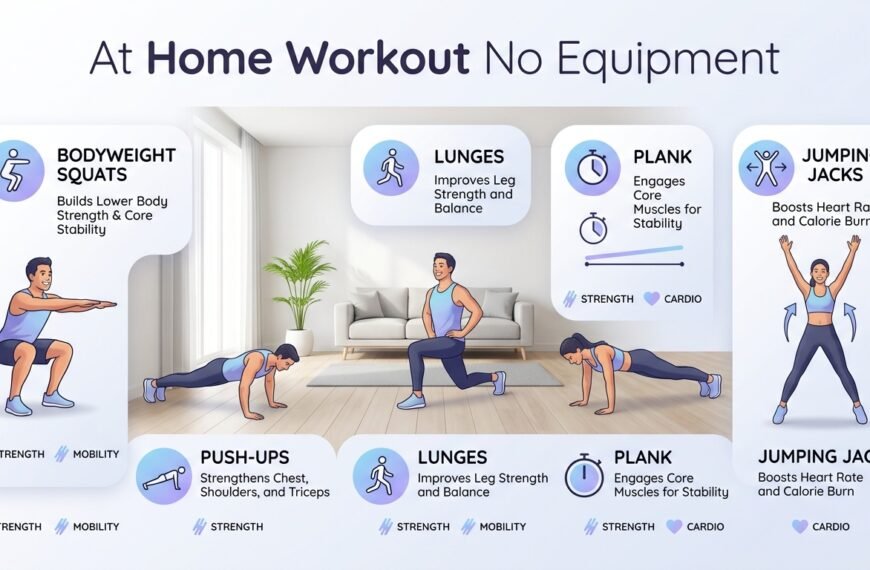


 By
By