
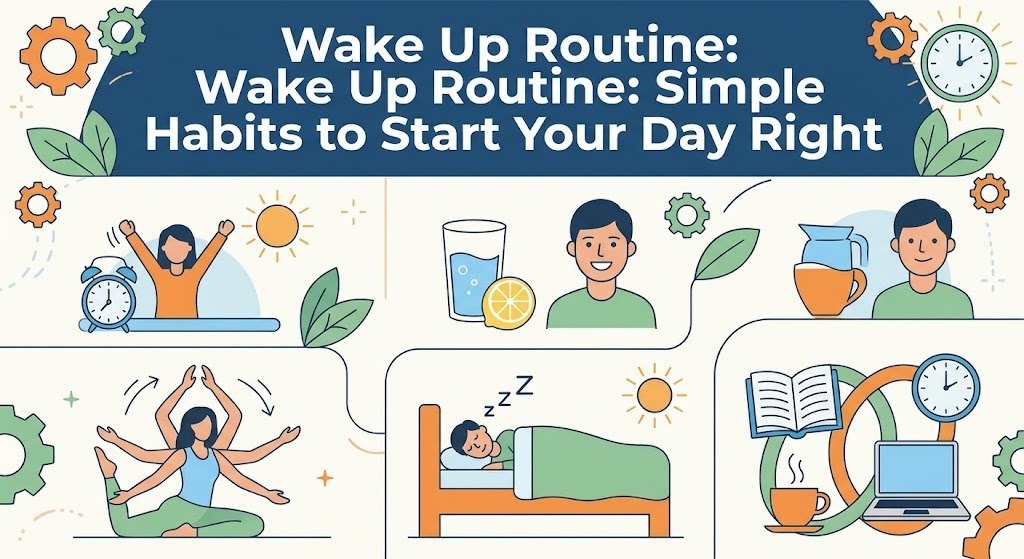

A good morning does not require waking up at 5 a.m. or following a complicated schedule. What matters is starting your day with habits that support your health responsibilities and personal goals.
A healthy wake up routine can help you feel more prepared, manage your time and approach daily activities with a clearer mind.
However the best routine is not the same for everyone. Students working professionals and people with different sleep schedules have different needs.
This guide explains how to build a practical morning routine which habits to include and how to make those habits part of your everyday life.
What Is a Wake Up Routine and Why Does It Matter?

A wake up routine is a series of simple activities you follow after getting out of bed. It helps you transition from sleeping to being awake and prepare for the responsibilities of the day.
A routine does not have to include complicated activities. Opening your curtains, drinking water, washing your face, getting dressed and reviewing your schedule can be enough to create a structured start.
A consistent routine can be useful because it
- Creates a predictable start to the day.
- Helps you organize morning responsibilities.
- Encourages healthier daily habits.
- Gives you time to prepare mentally for upcoming tasks.
- Reduces unnecessary rushing and lastminute decisions.
How Does Your Body Adjust After Waking Up?
Your body follows an internal timing system called the circadian rhythm. This approximately 24hour cycle influences when you feel awake and when you feel sleepy.
Light and darkness are important environmental signals for this system. Morning light helps your body recognize daytime while reduced light in the evening supports the transition toward sleep.
You may also experience sleep inertia which refers to temporary grogginess after waking. It can make you feel less alert during the first part of the morning.
10 Healthy Wake Up Routine Habits to Start Your Day
Building a better morning does not mean adding ten activities to your schedule immediately. Start with a few manageable habits and gradually include others when they fit your lifestyle.
Wake Up at a Consistent Time
Try to wake up at approximately the same time each day including weekends when practical. A predictable schedule helps your body maintain a more regular sleep wake pattern.
Get Some Natural Morning Light
Natural light is a useful part of a healthy wake up routine. Opening curtains or spending a little time outdoors can help your body recognize that the day has started.
Morning light also provides an environmental signal to your circadian rhythm which helps regulate your sleep wake cycle.
Consider these simple options
- Open your bedroom curtains after waking.
- Sit near a naturally lit window.
- Spend a few minutes outside when practical.
- Turn on indoor lights if it is still dark.
You do not need to stare directly at the sun. Ordinary daylight exposure is enough to make this a practical habit.
Drink Water After Getting Up
Drinking water in the morning is a simple way to begin your daily hydration habits. You may feel thirsty after several hours without drinking so having water available can be convenient. Keep a glass or bottle near your usual morning preparation area.
Remember that hydration continues throughout the day. There is no special requirement to drink a large amount immediately after waking and water does not need to be consumed at a particular temperature to provide hydration.
Wash Your Face and Get Ready
Basic personal hygiene can help you feel refreshed and prepared for your daily activities. Depending on your needs this may include
- Wash your face gently.
- Brushing your teeth.
- Combing your hair.
- Changing into clean clothes.
- Following your usual skincare routine.
Keep these activities simple. You do not need an expensive skincare routine or several products to begin your morning properly.
Spend a Few Minutes on Mental WellBeing
Your morning is also an opportunity to prepare mentally for the day. A few quiet minutes can help you identify what matters and reduce the feeling of rushing into multiple responsibilities.
Some useful activities include
- Writing a short journal entry.
- Practising gratitude.
- Reading a few pages of a book.
- Praying or reflecting if this is part of your personal beliefs.
- Sitting quietly and taking comfortable slow breaths.
You do not need to complete every activity. Choose one that feels meaningful and realistic.
Begin Your Day Without Rushing
After completing your basic activities, move into your responsibilities at a manageable pace.
Prepare your bag, check your work materials, organize your desk or leave home with enough time for your journey.
Avoid filling every available minute with another activity. A little flexibility allows you to handle unexpected situations without feeling that your entire routine has failed.
How Much Time Should You Spend on a Wake Up Routine?
The ideal duration depends on your responsibilities, available time and personal preferences. A useful routine should fit into your actual schedule rather than create additional pressure.
How Much Sleep Do You Need Before Waking Up?
A healthy morning begins with sufficient sleep. Setting an alarm early does not automatically make your routine better if you regularly sacrifice the rest your body needs.
Sleep requirements depend on age. According to the CDC general recommendations include.
Why Is a Consistent Sleep Schedule Important?
A regular sleep schedule helps your body maintain predictable sleeping and waking patterns.
Try these practical habits
- Choose a realistic bedtime.
- Keep your bedroom quiet and comfortable.
- Reduce bright light before bedtime.
- Avoid caffeine late in the day if it affects your sleep.
- Put away unnecessary distractions before going to bed.
The goal is to make waking up easier by supporting your sleep habits the previous evening.
How Can Students and Working Professionals Create Different Wake Up Routines?
A useful routine should reflect your daily responsibilities. Students may need time for studying and school preparation while working professionals may prioritize commuting meetings and workplace tasks.
Wake Up Routine for Students
Students can build a simple schedule that leaves enough time for school or college preparation.
A practical routine may include
- Wake up at a consistent time.
- Open the curtains and get ready.
- Eat breakfast according to your appetite.
- Check your timetable and important assignments.
- Pack your books and other essentials.
- Leave with enough time to reach your destination.
Avoid trying to complete several hours of studying before school if it reduces your sleep or makes the rest of your morning stressful.
What Common Wake Up Routine Mistakes Should You Avoid?
Even a well planned morning routine can become difficult when it includes unrealistic expectations. The following mistakes can make your habits harder to maintain.
Trying to Wake Up Too Early
Waking up at 400 or 500 a.m. is not necessary for everyone. If an early alarm means getting insufficient sleep it may make your mornings more difficult. Choose a wakeup time that matches your responsibilities and sleep needs.
Creating an Overcomplicated Schedule
Adding exercise reading, journaling, cooking, studying and several other activities immediately can make your routine difficult to follow.
Skipping Sleep to Finish Morning Activities
A morning routine should support your wellbeing not compete with your sleep. If you regularly feel tired, review your bedtime and schedule instead of simply adding more activities.
Expecting Immediate Results
Building consistent habits takes time. You may occasionally wake up late or miss an activity because of an unexpected responsibility. Instead of abandoning your routine, return to it when your schedule allows.
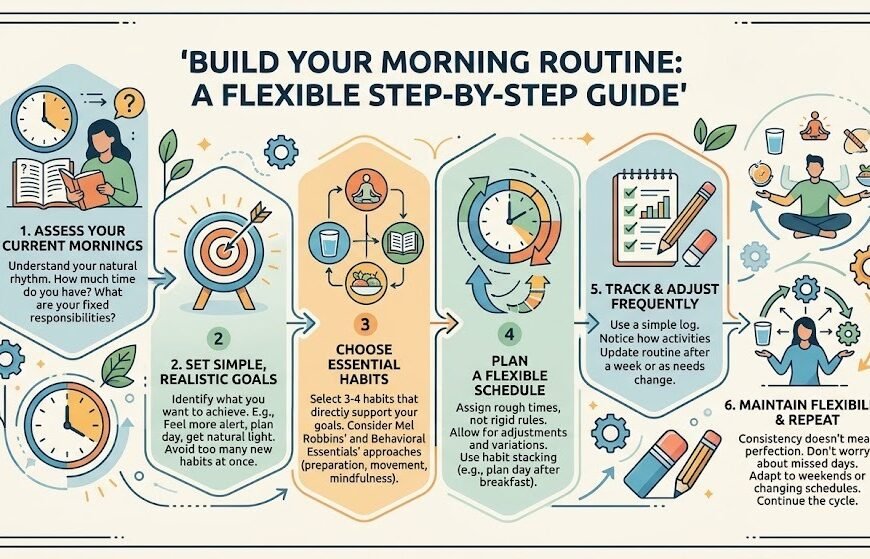
How Can You Build a Wake Up Routine That Lasts?

Wake Up Routine
A successful routine develops through manageable changes rather than sudden lifestyle adjustments.
Your routine does not need to look identical every morning. Weekend holidays appointments and unexpected responsibilities may require adjustments. Consistency means returning to useful habits not following a perfect schedule every day.
Conclusion
A healthy wake up routine is about creating a comfortable and consistent start to your day. Simple habits such as getting enough sleep, receiving natural light drinking water, moving your body and reviewing your priorities can help you prepare for daily responsibilities.
You do not need an extremely early alarm or a complicated schedule to build better mornings. Start with a few manageable activities, adjust them according to your lifestyle and give yourself time to develop consistency. Choose a routine that supports your wellbeing rather than making your mornings more stressful.
FAQs
1. What Is the Best Wake Up Routine for Beginners?
The best routine for beginners includes waking up at a consistent time getting natural light drinking water, completing personal hygiene and reviewing daily priorities. Start with two or three habits and gradually introduce additional activities.
2. Is Waking Up at 5 AM Better Than Waking Up at 7 AM?
No. Waking up at 5 a.m. is not automatically healthier or more productive than waking up at 7 a.m. The important factors are getting sufficient sleep and following a schedule that supports your daily responsibilities.
3. How Long Should a Morning Routine Be?
A morning routine can take 15, 30 or 60 minutes depending on your available time. Even a short routine can provide structure when it includes useful activities that support your daily needs.
4. What Should I Do Immediately After Waking Up?
Start by getting out of bed, opening your curtains and allowing yourself a few minutes to become alert. You can then drink water, complete personal hygiene and prepare for your daily activities.

 By


 By