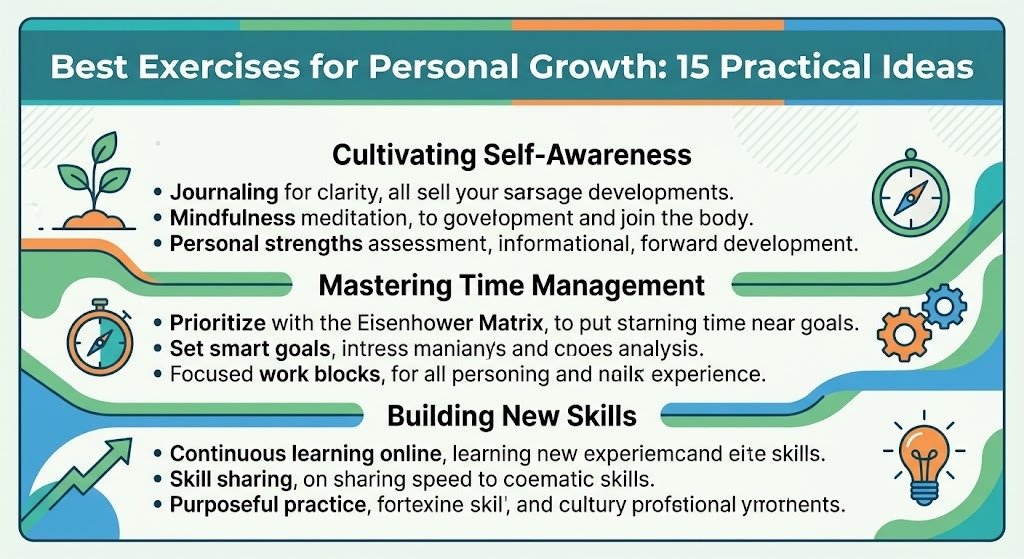

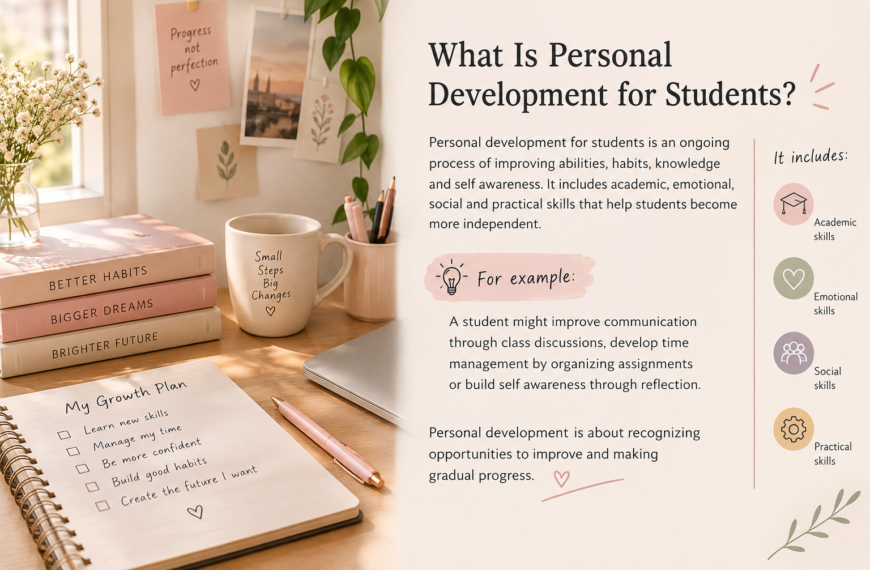
Personal growth is an ongoing process of understanding yourself, developing useful skills and improving the way you approach everyday challenges.
Practising the right exercises can help you build self awareness, strengthen communication, manage your time and make better decisions.
You do not need to change everything at once. Start with a few activities that match your interests and goals then make them part of your regular routine.
What Are the Best Exercises for Personal Growth?
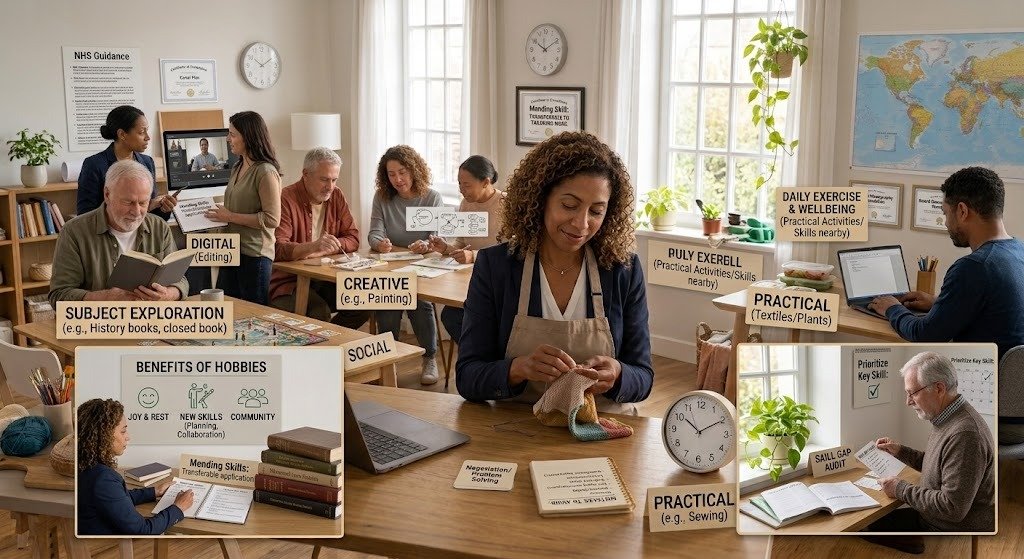
The best exercises for personal growth are practical activities that help you develop your abilities, recognise your strengths and learn from everyday experiences. Some focus on self awareness while others improve communication organisation and problem solving.
Daily Journaling for Best Exercises for Personal Growth
Journaling helps you organise your thoughts, understand your experiences and recognise patterns in your behaviour.
How to practise it
- Spend five to ten minutes writing.
- Describe an important event from your day.
- Record what you learned.
- Note what you might do differently next time.
Your entries do not need to be long. Simple and honest notes are enough.
Set Clear Personal Goals
Setting personal goals gives you direction and turns broad intentions into manageable actions. Instead of saying you want to improve yourself, identify a specific area such as communication learning or time management.
Follow these steps
- Choose one area to improve.
- Set a realistic goal.
- Divide it into smaller actions.
- Decide when to review your progress.
- Adjust your plan when necessary.
For example if you want to improve communication practice explaining your ideas clearly in everyday conversations.
Practise Daily SelfReflection
Self reflection involves reviewing your experiences to understand your decisions, reactions and lessons. It helps you recognise what is working and where you can improve.
At the end of the day consider these questions
- What went well today?
- What challenged me?
- What did I learn?
- What could I approach differently?
Use your answers to identify practical improvements rather than criticising yourself.
Identify Your Personal Strengths
Understanding your strengths helps you recognise the abilities you can use in different situations. These may include creativity, patience, curiosity, organisation or problemsolving.
Write down five strengths and include an example of how you use each one. You can also ask someone you trust to share their observations.
Practise Mindful Breathing
Mindful breathing is a simple activity that helps you pay attention to the present moment.
To practise it sit comfortably, breathe naturally and notice each breath. When your attention wanders, gently bring it back. Continue for a few minutes without forcing yourself to feel a particular way.
Develop Active Listening Skills
Good communication requires both speaking and listening. Active listening means paying attention to another person understanding their message and responding thoughtfully.
You can practise it by
- Avoiding interruptions.
- Listening for the main point.
- Asking relevant questions.
- Summarising what you understood.
- Giving the other person time to respond.
These habits can support clearer and more respectful conversations.
Learn a New Skill
Learning something unfamiliar gives you opportunities to develop knowledge, patience and problem solving abilities.
Choose a skill that interests you such as writing, cooking, photography, coding or learning a language. Divide it into smaller lessons and practise regularly.
Focus on gradual improvement rather than expecting immediate results.
Ask for Constructive Feedback
Feedback provides another perspective on your work decisions and communication. A trusted person may notice areas that you have overlooked.
Ask specific questions such as whether your explanation was clear or how you could organise a project better. Consider their suggestions and identify which ones are useful.
Practise Positive SelfTalk
Positive selftalk means using realistic and supportive language when facing difficulties. It does not mean ignoring mistakes or pretending everything is perfect.
| Unhelpful thought | Balanced response |
| I cannot learn this. | I can improve with practice. |
| I made a mistake. | I can learn from it. |
| Everything must be perfect. | I can focus on doing my best. |
| I am behind everyone else. | I can work at my own pace. |
Practising balanced thinking can help you respond to challenges more constructively.
Identify Your Personal Values
Personal values are principles that guide your decisions such as honesty, kindness, creativity, learning and responsibility.
Write down five values that matter to you. Then consider how they influence your everyday choices and the goals you want to pursue.
Improve Your Time Management
Time management helps you organise responsibilities while making room for rest and enjoyable activities.
Try this simple approach
- List the tasks you need to complete.
- Identify your priorities.
- Divide larger tasks into smaller steps.
- Set realistic time limits.
- Review your progress.
Keep your schedule flexible so you can manage unexpected changes.
Try Something Outside Your Usual Routine
Exploring an unfamiliar activity can help you discover interests and develop new abilities. You could join a beginner class, explore a different subject, participate in a group discussion or start a creative project.
Choose activities that suit your interests and circumstances.
Develop ProblemSolving Skills
Problem solving helps you approach challenges in an organised way instead of reacting immediately.
Use this fourstep method
- Define the problem. Understand what is happening.
- Identify possible causes Separate facts from assumptions.
- Explore solutions Consider realistic options.
- Review the result and decide whether your approach helped.
You can practise with everyday situations such as organising a project or planning weekly tasks.
Read and Reflect on New Ideas
Reading introduces you to different subjects, experiences and perspectives. To make it a personal growth exercise, think about what you learn rather than simply finishing a book or article.
After reading, write down one important idea, something new you discovered and how you might use that information.
Practise Small Acts of Kindness
Personal growth also involves how you treat other people. Small acts of kindness can help develop consideration and strengthen everyday relationships.
You might help someone with a task, offer encouragement, share useful information or listen carefully when someone needs to talk. Remember to respect your own needs as well.
Which Personal Growth Exercises Should You Choose?
The right exercise depends on the skill you want to develop your interests and the time available.
| Exercise | Main focus | Approximate time |
| Journaling | Selfawareness | 5–10 minutes |
| Goal setting | Planning and direction | 10–15 minutes |
| Selfreflection | Learning from experience | 5 minutes |
| Strengths list | Recognising abilities | 10 minutes |
| Mindful breathing | Attention | 2–5 minutes |
| Active listening | Communication | During conversations |
| Learning a skill | Knowledge development | 15–30 minutes |
| Constructive feedback | Improvement | As needed |
| Time management | Organisation | 10 minutes |
| Problemsolving | Decisionmaking | As needed |
These times are suggestions rather than strict requirements. Choose activities that fit your daily schedule.
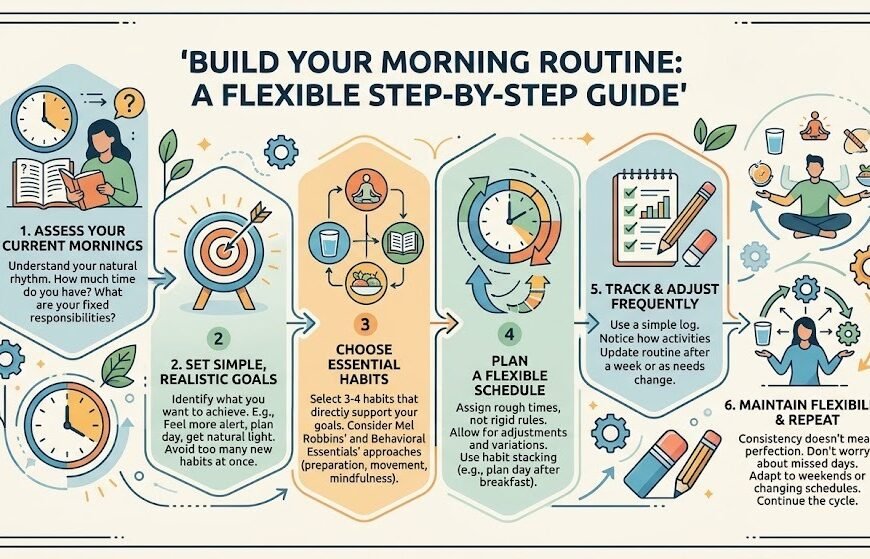
How Can You Build a Personal Growth Routine?
A simple routine can help you practise personal growth exercises without making your schedule unnecessarily demanding.
Choose One or Two Priorities
Start with an area you want to develop such as communication organisation confidence or learning. Focusing on a small number of priorities makes your routine easier to manage.
Set Aside Time for Practice
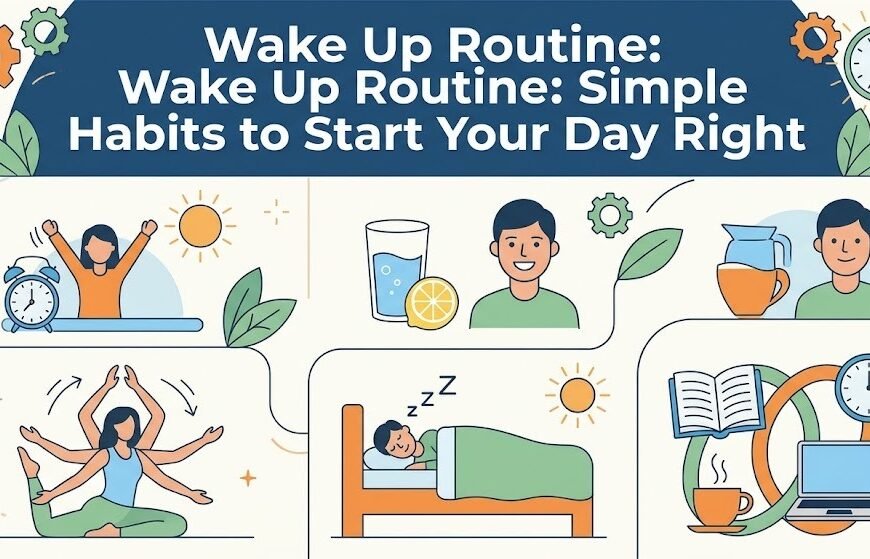
Connect an exercise with an existing activity. For example journal after completing your daily tasks or review your goals at the beginning of each week.
Monitor Your Progress
Record the activities you practise, their dates and what you learn. Progress monitoring can help you understand whether your approach is useful.
The American Psychological Association discusses how tracking progress can support goal achievement. Read the APA’s summary of progress monitoring.
Review and Adjust Your Routine
After a few weeks, consider whether your exercises are helping you work towards your goals. Continue useful activities and change those that no longer fit your needs.
What Common Mistakes Should You Avoid?
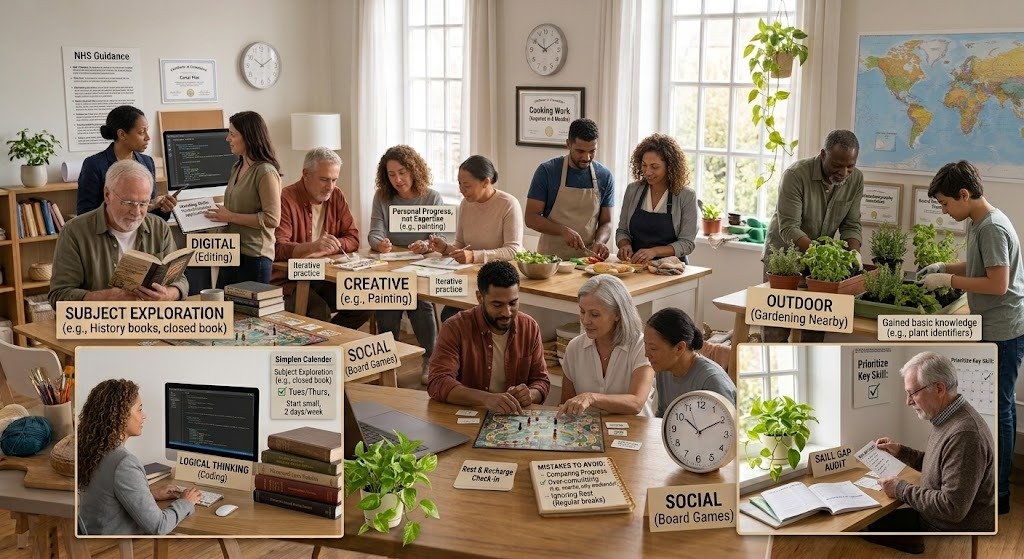
Personal growth exercises are more useful when they remain realistic and manageable. Avoid these common mistakes
- Choosing too many activities starts with one or two exercises.
- Expecting immediate results, skills develop through regular practice.
- Comparing your progress Everyone has different circumstances and priorities.
- Ignoring rest makes room for breaks and everyday responsibilities.
- Taking feedback personally Consider suggestions without accepting every opinion.
- Setting unclear goals Decide which actions you want to practise.
- Being overly critical treats mistakes as opportunities to learn.
Choose activities that support your goals and fit your circumstances. You can always adjust your approach as your priorities change.
Conclusion
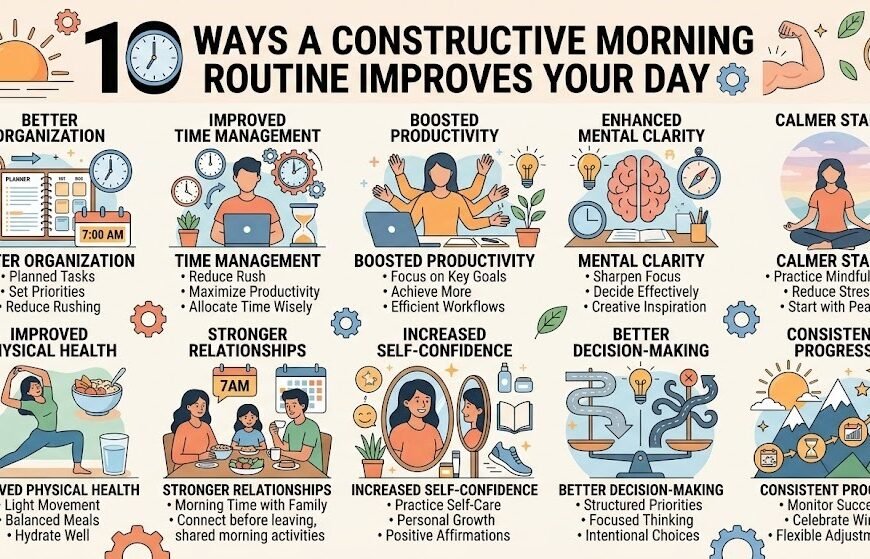
Personal growth begins with small consistent steps. Exercises such as journaling, goal setting, self reflection, and active listening can help you develop useful skills, understand your strengths, and make better decisions.
Choose activities that match your personal goals and fit your daily routine. Practise them regularly, learn from your experiences and adjust your approach as you progress. Remember meaningful personal growth takes time and does not require perfection.
FAQs
What is the best exercise for personal growth?
Journaling is a useful starting point because it helps you reflect on experiences and recognise areas for improvement. However the best exercise depends on your personal goals.
How can I practise personal growth every day?
Choose a small activity such as journaling, reviewing a goal or learning something new. A manageable routine is easier to maintain.
Which exercises help improve self awareness?
Journaling self reflection, identifying personal strengths and asking for constructive feedback can help you understand your thoughts and behaviour.
Can personal growth exercises improve communication skills?
Yes. Active listening, asking thoughtful questions and practising clear explanations can help develop communication skills.

 By

 By